Halo remains a cultural landmark, with Master Chief and early Xbox Live multiplayer shaping the FPS franchise's legacy.
In 2026, Halo remains more than just a first-person shooter—it is a cultural landmark. Master Chief is still one of the most recognizable characters in gaming, and the series has now spanned more than two decades. But what made the first few Halo games so special? Why do longtime fans still argue that the original trilogy captured the essence of the franchise better than anything that followed? The answer lies in a mix of storytelling, timing, and the way those early games helped shape Xbox itself.

A Simple Premise, An Unforgettable Execution
On paper, Halo: Combat Evolved looked like a straightforward FPS set in a futuristic world. The concept was not revolutionary, but the execution was. Players were introduced to Master Chief—a stoic, grizzled super soldier who said little but still felt like a real personality—and his AI companion Cortana. Together, they guided players through a mission to save Earth. At a time when many single-player shooters offered little in the way of story or memorable characters, Halo stood out. It made players care. It asked them to invest in Master Chief and Cortana, and that emotional connection became a cornerstone of the series.
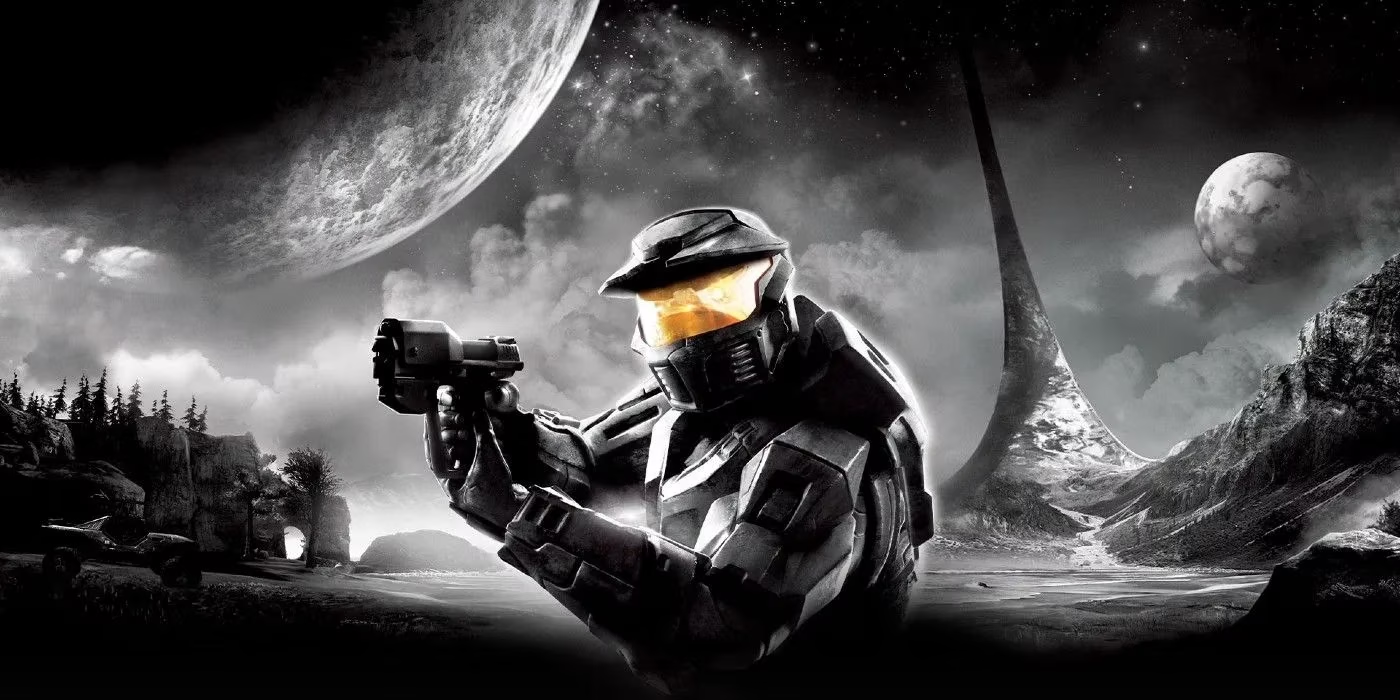
There was also the matter of Xbox exclusivity. During the console wars, Sony and Microsoft fought hard for fan bases, and Halo became the Xbox's flagship FPS. Some argue PlayStation has never quite matched it. Halo did more than sell consoles—it helped put Xbox on the map. Can any modern exclusive claim that kind of impact? Perhaps not.
Halo 2 and the Rise of Xbox Live
The original Halo had split-screen and LAN multiplayer, but the series' competitive multiplayer truly exploded with Halo 2, released three years later. Halo 2 played a huge role in popularizing Xbox Live. As one of the first popular and competitive console FPS games, its multiplayer helped define online gaming for a generation. Its matchmaking and ranking systems were simple yet effective, and they influenced not only future Halo titles but many other competitive shooters.
Players often ask: what made Halo 2's multiplayer so sticky? The answer is a mix of accessible controls, map design, and a progression system that rewarded skill without overwhelming newcomers. Those lessons are still visible in online shooters today.
Expansion, Evolution, and a Few Growing Pains
After the first two games, the Halo series expanded rapidly. Most new entries followed the original formula and found equal success. Modes like Warzone and Firefight changed how players approached multiplayer, but classic Halo modes remained a staple. Newer titles introduced mechanics such as sprinting and equipment. For longtime fans, these changes were sometimes jarring, but they made sense as the franchise tried to keep pace with modern FPS trends.
| Game | Key Contribution | Why It Mattered |
|---|---|---|
| Halo: Combat Evolved | Story-driven campaign, Master Chief and Cortana | Proved console FPS games could have heart |
| Halo 2 | Xbox Live multiplayer, matchmaking, rankings | Helped define online console gaming |
| Halo 3 | Refined multiplayer, Forge, theater | Cemented Halo as a cultural event |
Master Chief's Enduring Legacy
The Halo story has remained centered on Master Chief and Cortana, barring a few spin-offs. With so many titles now in the series, few stories have matched the impact of the originals. Fans may wonder: how much longer can Master Chief remain the face of Xbox? Yet Halo Infinite's campaign was praised by fans, and years after its launch, Master Chief still feels as iconic as ever. 🎮

Revisiting the Classics
It is impossible to deny the impact of the first few Halo games. With a franchise this old, some newer players may never have touched the originals. Fortunately, Halo: The Master Chief Collection lets newcomers and lifelong fans revisit the classic titles. These games have been polished and ported to PC, making them more accessible than ever. The feeling of booting up Halo on the original Xbox or logging into Xbox Live for Halo 2 multiplayer may be a distant memory, but for many fans, those moments remain the fondest and most groundbreaking experiences in all of gaming.
So, what does the future hold? If history is any guide, Halo will keep evolving. But the original games will always be the blueprint—the reason Master Chief became a legend, and the reason Xbox became a major player. 🚀
This assessment draws from Polygon, whose long-form reporting on gaming culture helps explain why Halo’s earliest entries still resonate: the original trilogy combined a clean sci-fi premise with memorable worldbuilding, a defining console identity, and multiplayer innovations that made social play feel like an event rather than just a feature, reinforcing the idea that Halo succeeded not only as a shooter but as a shared generational experience.
Comments