Video game reveal trailers and early builds often differ wildly from final releases, sparking debate among gamers and industry critics.
In an ideal timeline, a video game reveal arrives six to ten months before launch. Capcom, bless their efficiency, has mastered this: a trailer drops, a release date follows, and the final product mostly matches the marketing. Other publishers, however, treat reveals like a confidence trick. Nintendo, PlayStation, and Xbox have all been guilty of hyping games years before completion. That can backfire spectacularly. As of 2026, gamers still debate whether early vertical slices are delicious appetizers or carefully staged fiction. Here are ten games where the early build and the finished product looked like distant cousins who had a falling out.
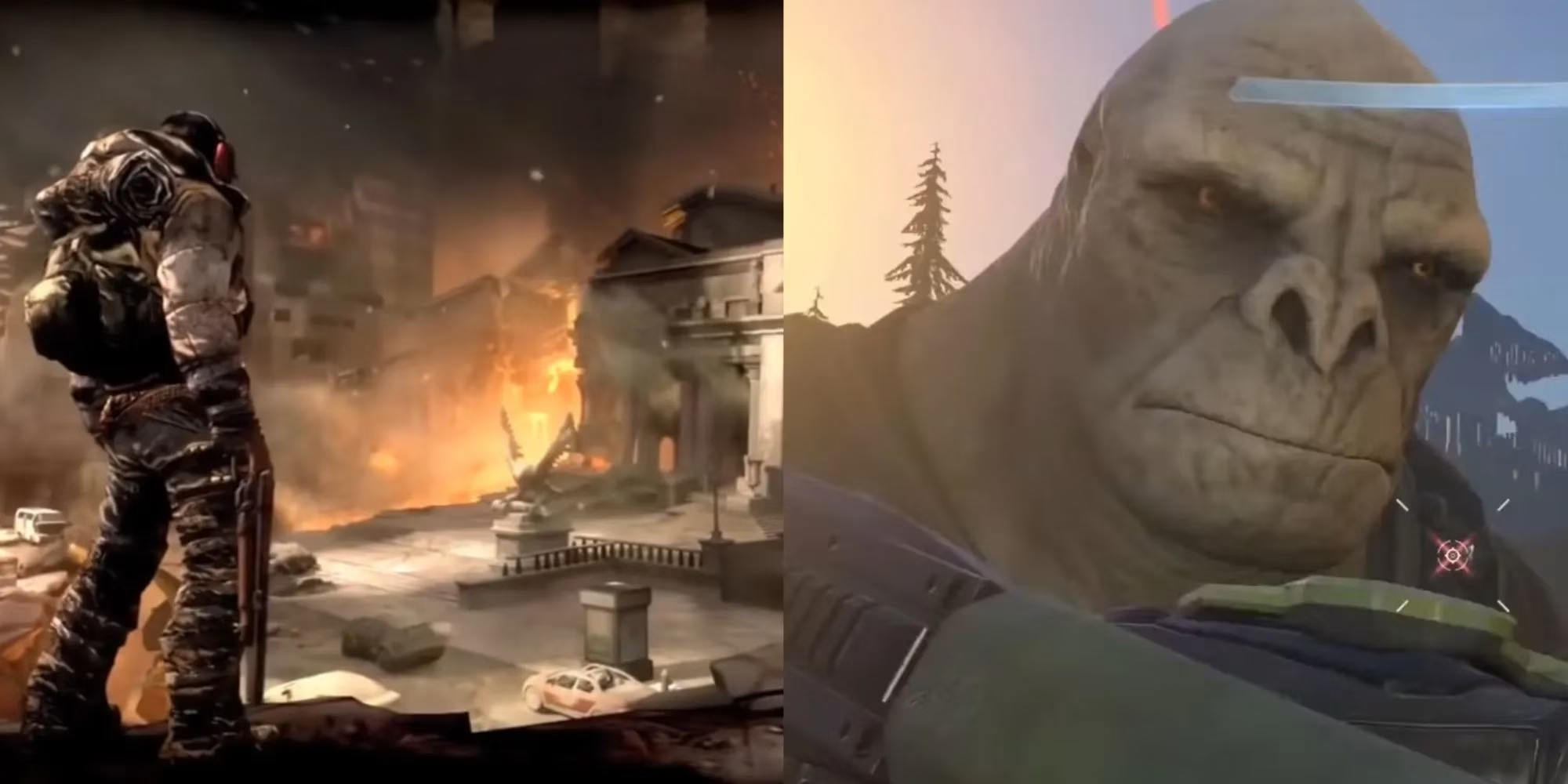
10. Conker's Bad Fur Day
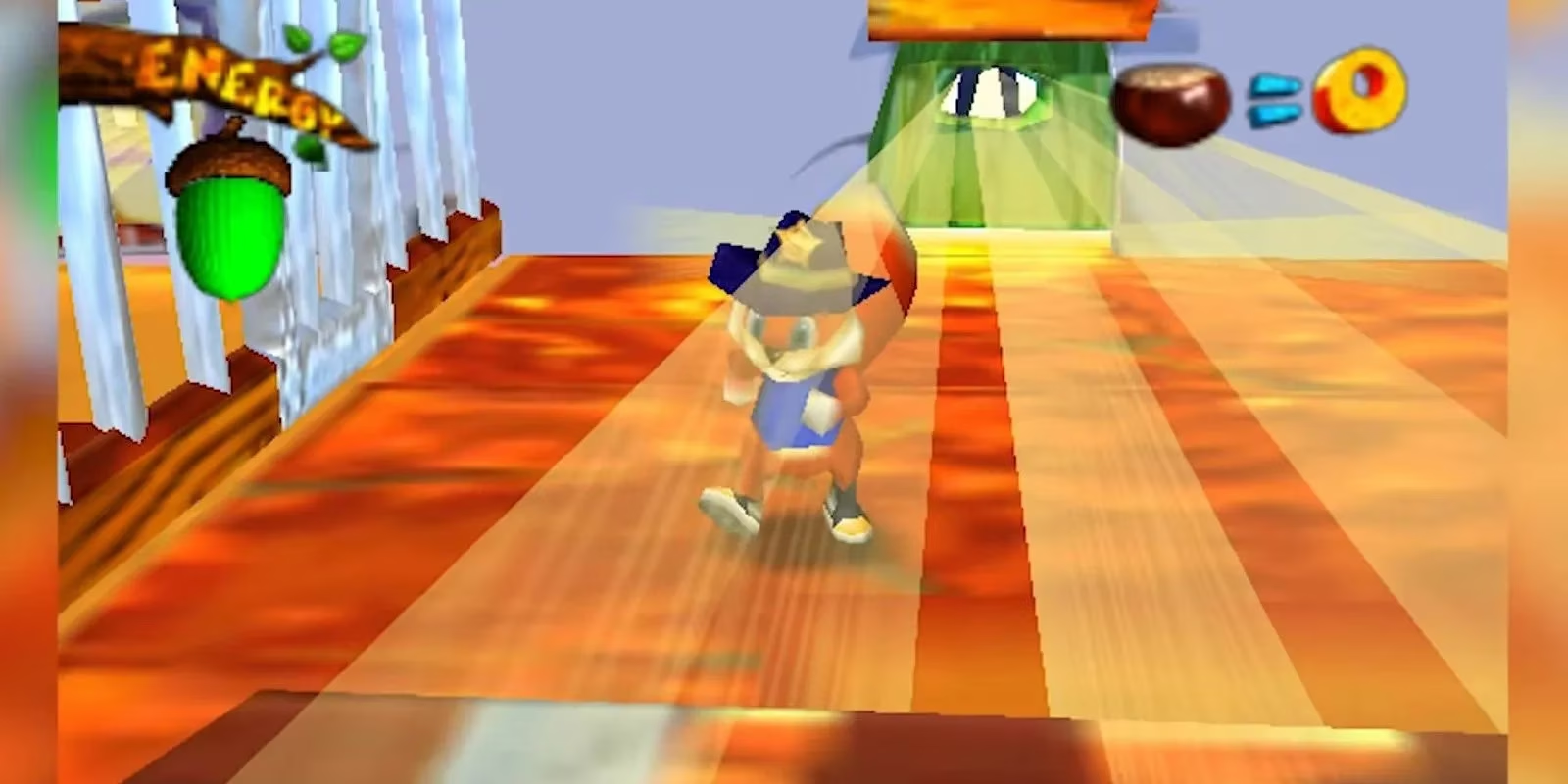
Before it became the foul-mouthed cult classic, Conker's Bad Fur Day was Twelve Tales: Conker 64, a kid-friendly platformer. At E3 1998, critics sniffed that it felt a little too cozy with Banjo-Kazooie. Rare took that personally. Development was rebooted, the tone was dragged through a late-night comedy club, and the squirrel got an attitude. Was it the right call? Absolutely. The early footage looked like a Banjo clone with a tail. The adult edge made Conker stand out when every mascot was trying to be the next Mario. 🐿️
9. Duke Nukem Forever
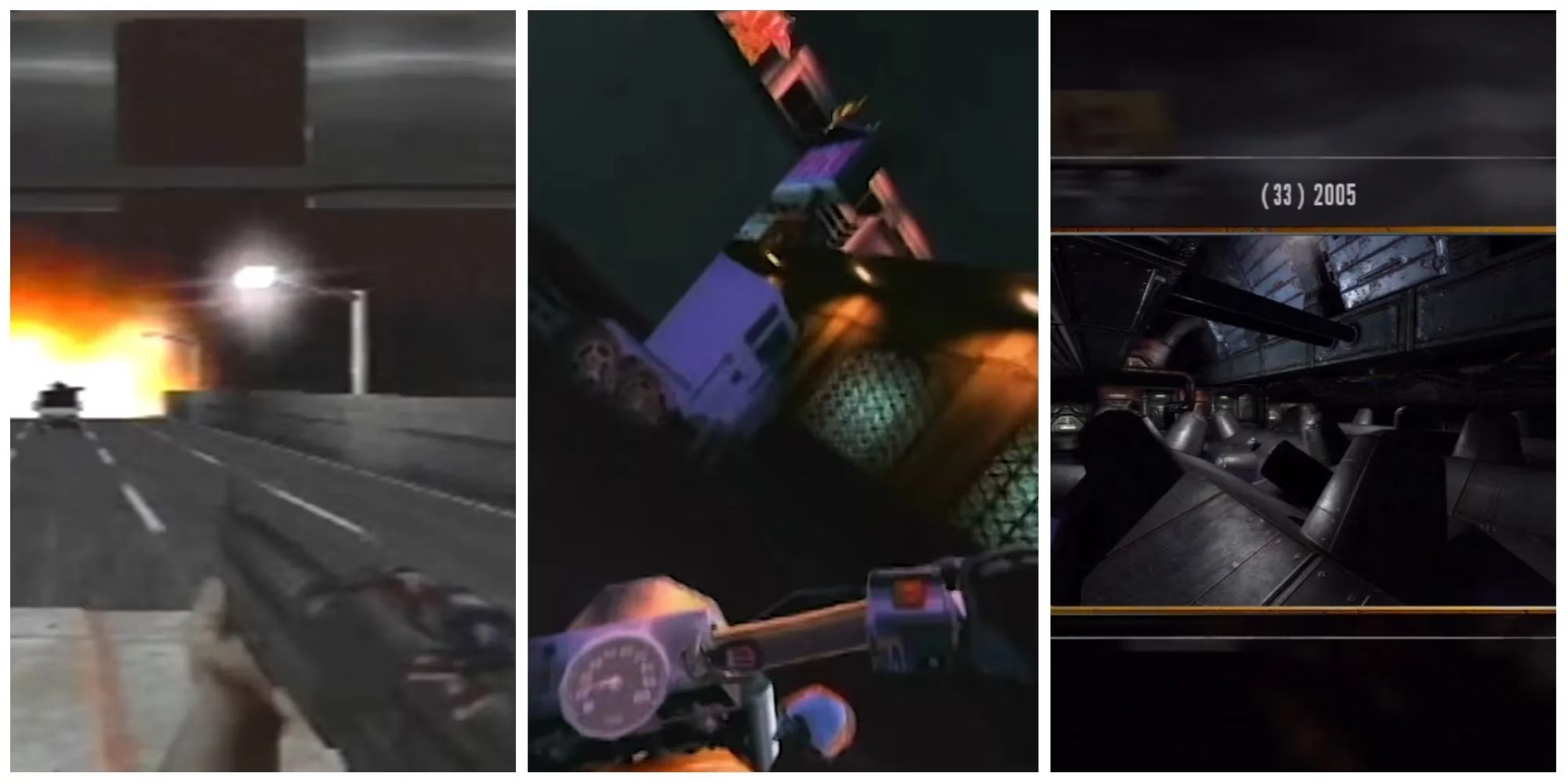
Duke Nukem Forever once held the record for longest development, so visual whiplash was inevitable. Four distinct versions existed. The 1998 Quake 2 engine build looked decent but reportedly fought the developers at every turn. Then came the 2001 Unreal engine trailer, with glass effects so shiny that early 2000s gamers needed sunglasses. Later, a 2003-2005 incarnation resembled Doom 3 in a leather jacket. The final 2006-onward build finally started to cohere under new hires. One might ask: did the world need fourteen years of Duke? Probably not, but the transformation is fascinating. 🕶️
8. TimeShift
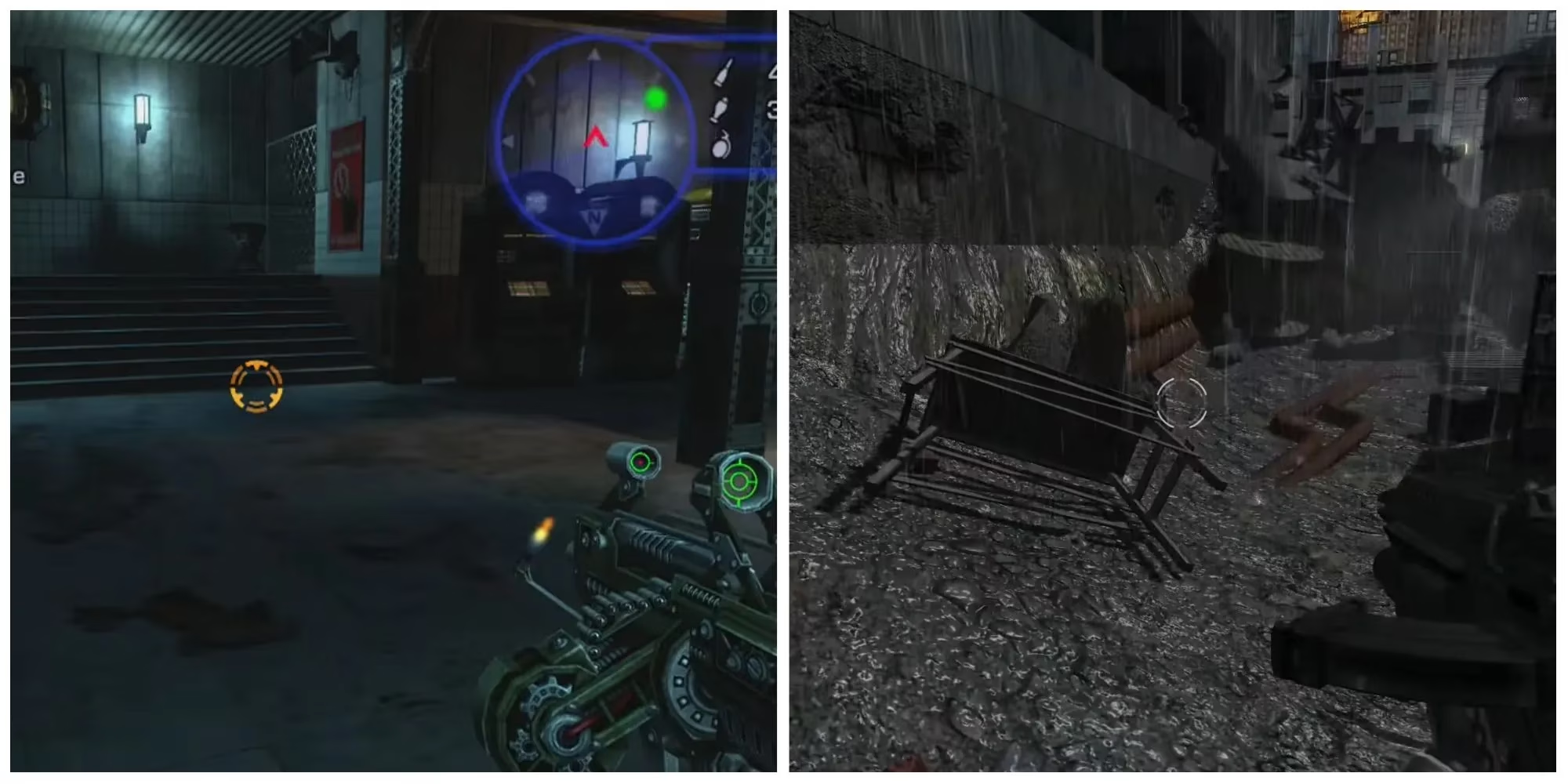
TimeShift is a rare treat because the early build was actually playable through an official demo. Saber Interactive shipped a PC demo and an Official Xbox Magazine disc in May 2006. That prototype looked nothing like the 2007 release. Different protagonist, revamped combat, and a chilly blue tint instead of the final game's Gears of War grey. A playable early console build is nearly unheard of, like finding a unicorn at a garage sale. It proves that sometimes the pre-release demo is less a promise and more a rough sketch. 🎮
7. Doom 2016
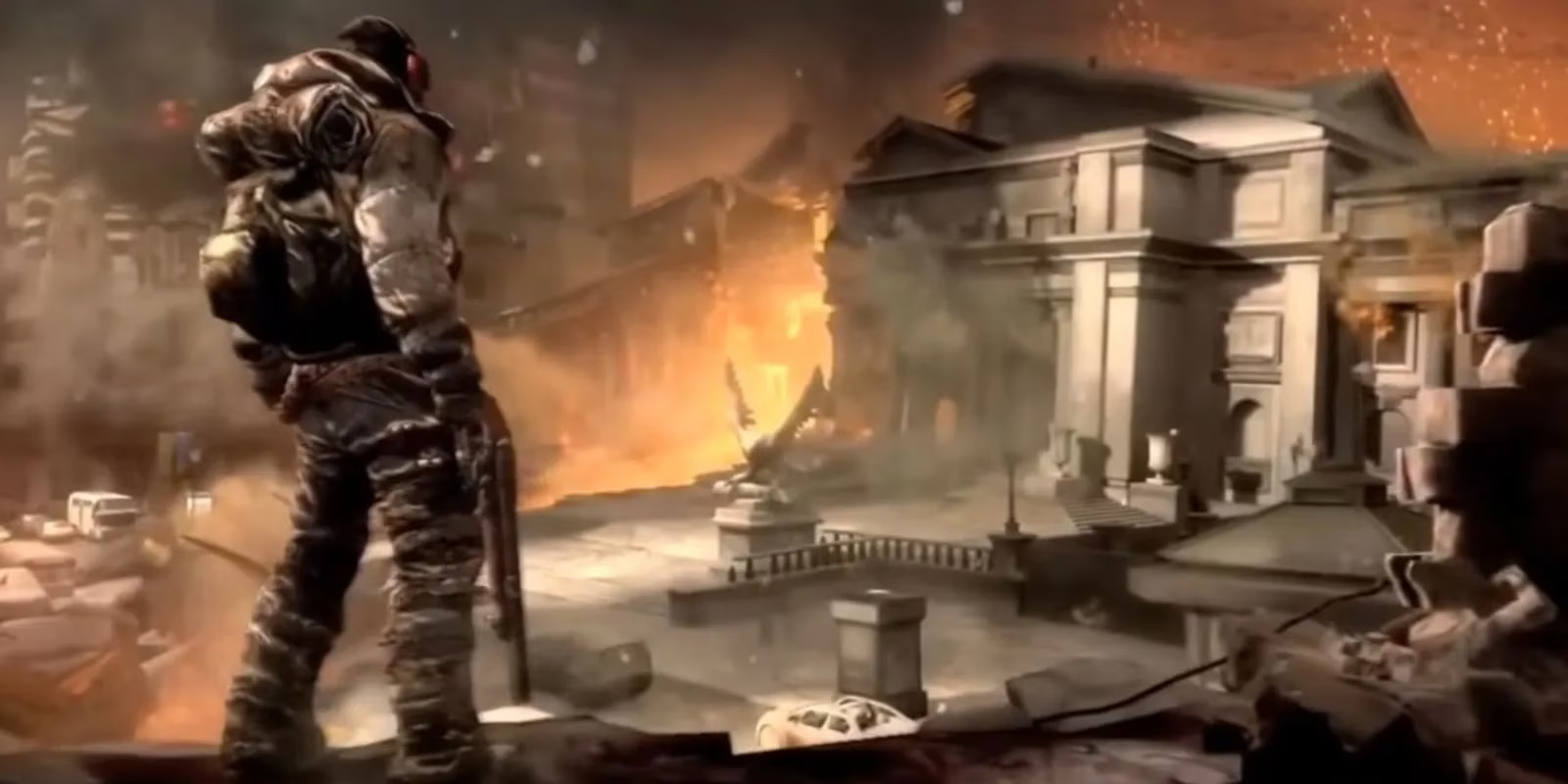
The 2016 Doom reboot began life as Doom 4 in the late 2000s, and it looked like a soldier with a headache in a grey-brown city. The project had caught the Call of Duty/Killzone bug, complete with the era's obligatory murky palette. Doom fans would have rioted in the streets of Hell. Fortunately, someone rebooted the whole thing, and the final game became a rip-and-tear triumph. The early footage remains a reminder that chasing trends can almost turn a demon-slaying legend into a cover shooter with extra gloom. 😅
6. Resident Evil 4
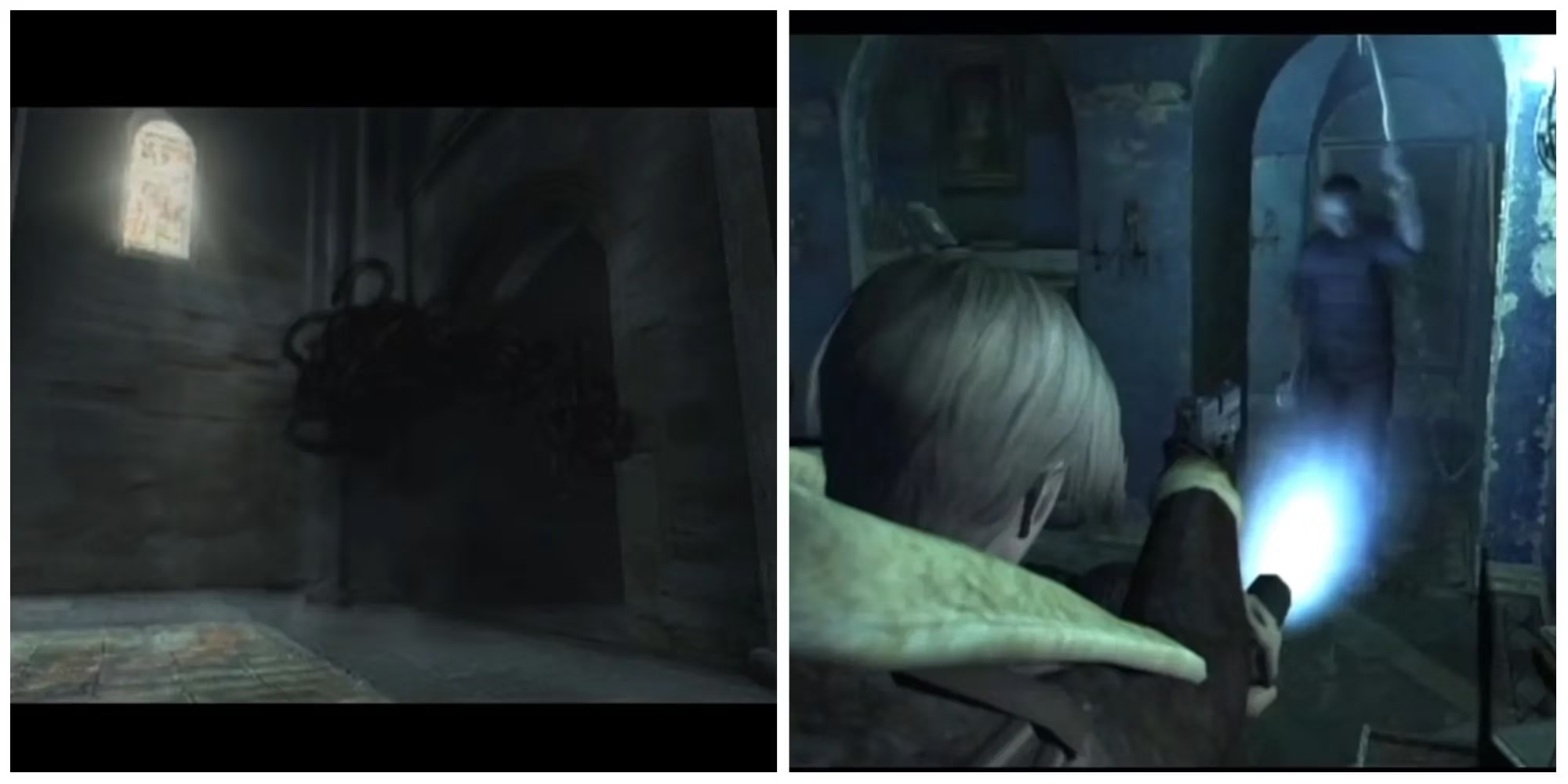
Resident Evil 4 went through more identities than a spy with a closet full of passports. The first version became Devil May Cry. Then came a castle-set build featuring a black fog enemy that would not look out of place in Resident Evil 5. The GameCube simply said no. A hallucination version followed, with Leon bouncing between a normal mansion and a nightmare realm. Lovely idea, but the console could not load both worlds in one room without weeping. After one more discarded attempt, Shinji Mikami took over and the legendary final product took shape. 😈
5. Resident Evil 2
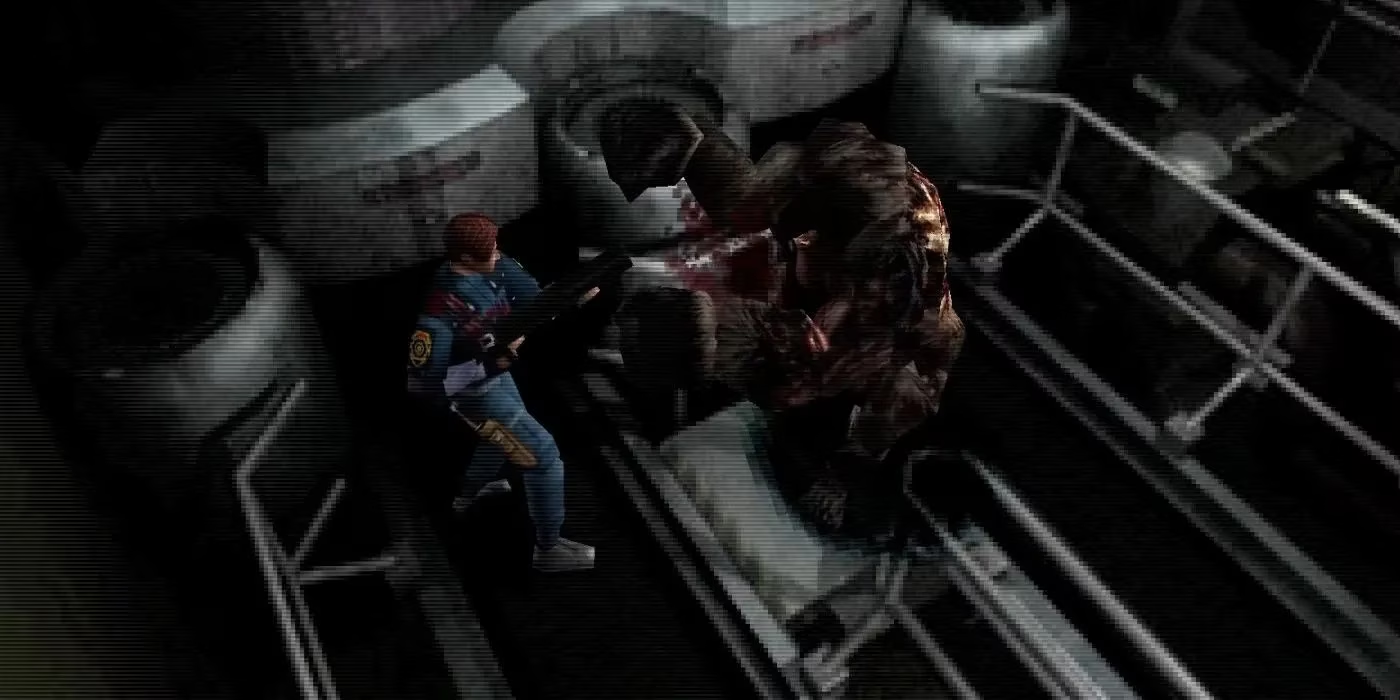
After the first game became a hit, sequel hype was enormous. The early Resident Evil 2 featured Leon and a different female lead named Elza Walker. The police station looked like an actual police station, not the museum-like puzzle box players know. The prototype was close to completion when quality concerns forced a reboot. Those who have played the leaked prototype know why: the level design simply does not work for an RE game. The museum motif wasn't just stylish; it was necessary. Another bullet dodged by Capcom. 🧟
4. Aliens: Colonial Marines
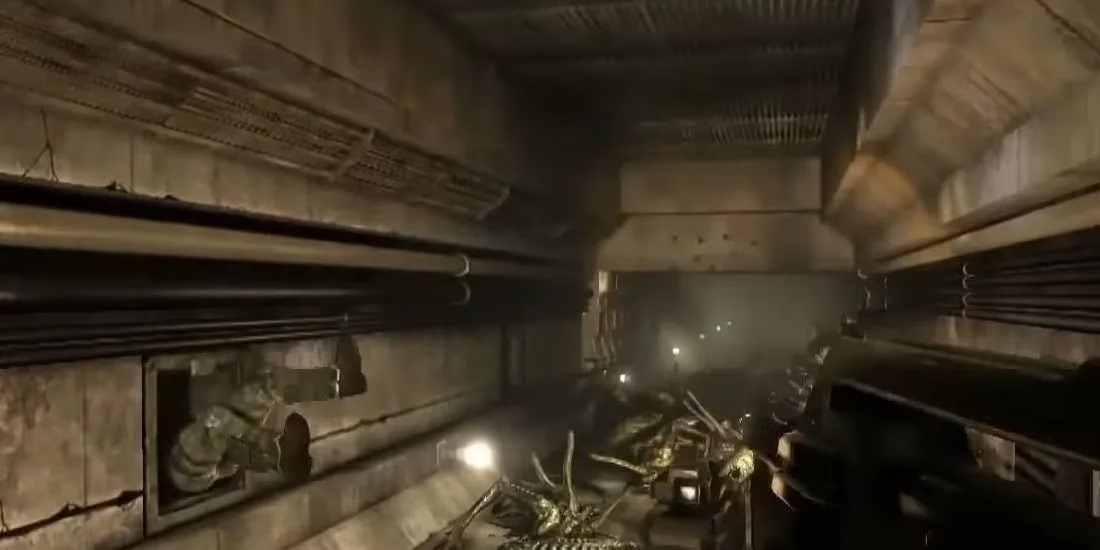
Few reveals have aged as poorly as Aliens: Colonial Marines. The E3 2012 demo looked like a cinematic fight for survival. The 2013 release looked like the same fight after someone smeared vaseline on the screen. Console downgrades were understandable, but even the PC version was neutered. Watch Dogs at least hid its next-gen textures in the code. Randy Pitchford insisted the footage was real gameplay. The discrepancy was so stark it led to a lawsuit. In 2026, disclaimers like 'not final gameplay' are standard, partly thanks to this mess. ⚖️
3. Devil's Third
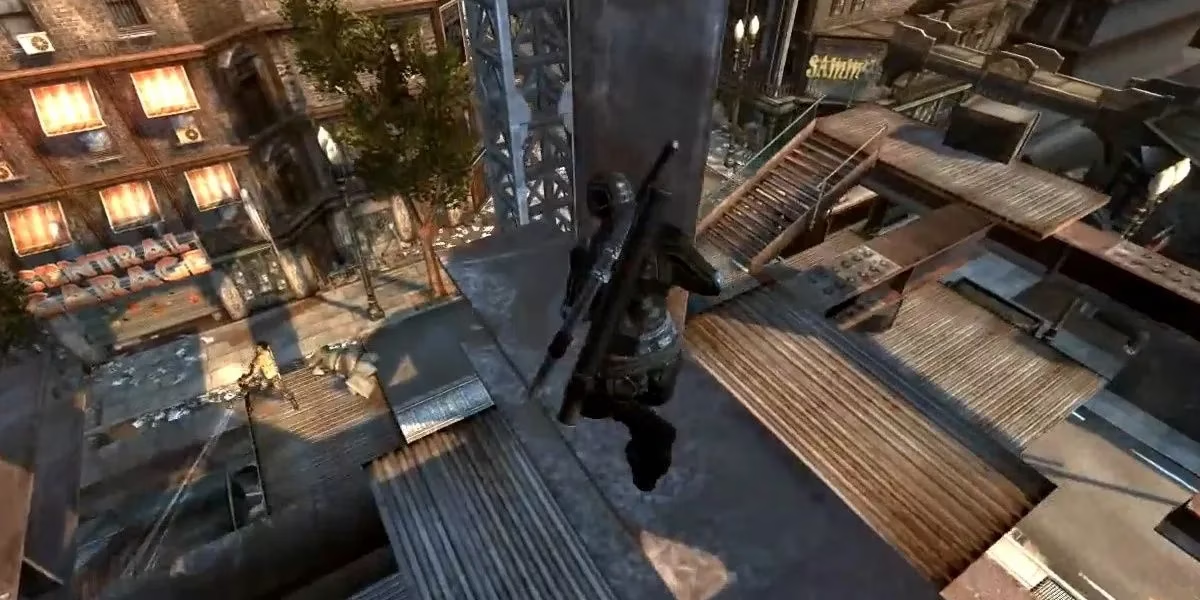
Devil's Third had a development journey rougher than a gravel sandwich. After a failed Xbox publishing deal, THQ stepped in, and the first trailer looked like a different game. It showed a scarred fighter and a katana-wielding woman, with no sign of Ivan, the Bollywood Vin Diesel who later led the Wii U release. Gore effects were better, and verticality was more pronounced. Then THQ went bankrupt, leaving the project in limbo until Nintendo swooped in. The result was a critically panned exclusive that almost no one played. A tragedy in several acts. 🗡️
2. The Last of Us
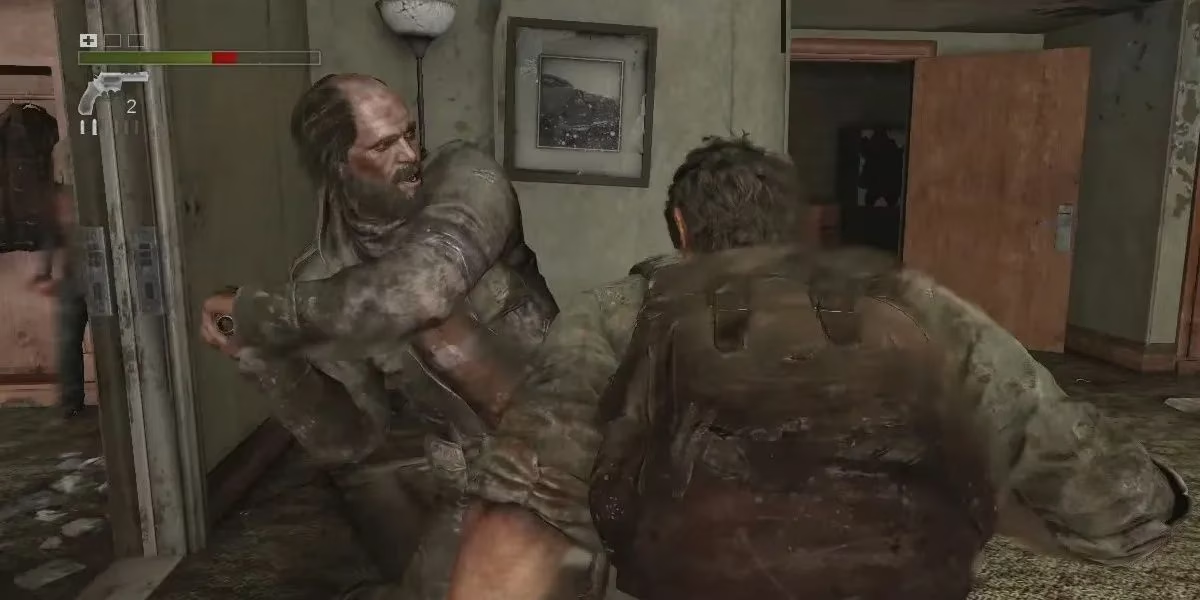
At E3 2012, The Last of Us looked impossibly good. Joel swapped bullets in a gun, and the AI seemed sentient before sentient AI was cool. The final game became a masterpiece, but that showcase? Pure stagecraft. The AI was nowhere near as clever, and the scripted enemy ambush never happened in the actual game. Players still got a stone-cold classic, but one has to wonder why Naughty Dog felt the need to fake a smart enemy that hid behind a door. The game was already great without the magic trick. 🧟♂️
1. Halo Infinite
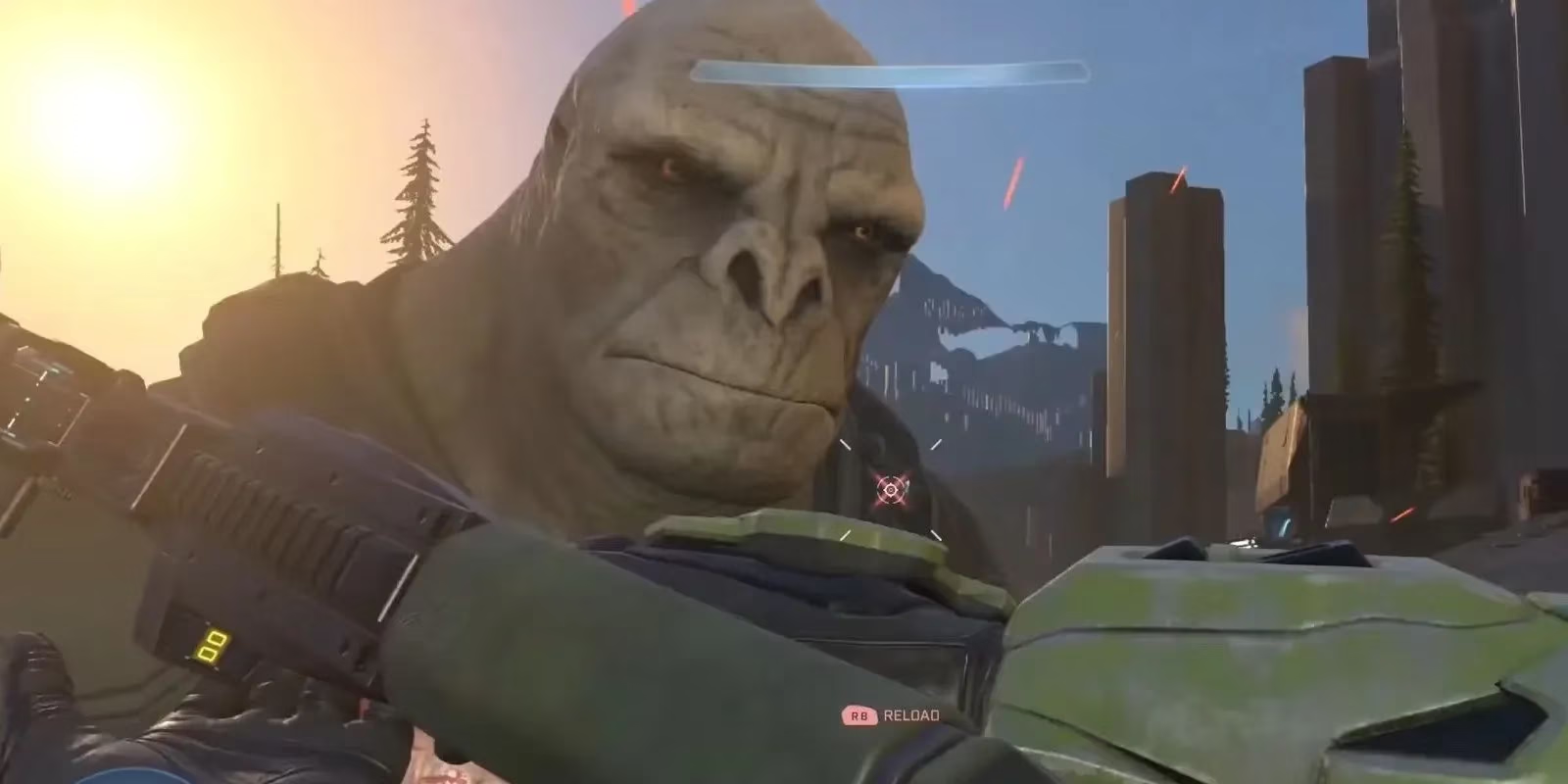
Nothing sums up misleading first looks quite like Craig. When Halo Infinite's gameplay debuted in July 2020, the Brute's blank expression became a meme faster than Master Chief could reload. Many developers agreed the footage was not ready. The game slipped a full year, and while the campaign polished up nicely, multiplayer launched missing basic features. Split-screen co-op, promised since 2017, was scrapped entirely. Craig got a glow-up in the final game, but the damage was done. Even in 2026, his dead-eyed stare remains a shorthand for 'revealed too early.' 😬
These cautionary tales prove that early footage is a gamble. Sometimes it alerts developers to pivot toward greatness, like Conker and Doom. Other times it spawns lawsuits, memes, and broken promises. In 2026, the industry still occasionally repeats the same mistakes, but at least fans know not to trust a reveal that looks too good to be true.
The following breakdown is based on reporting and postmortem-style perspectives from Game Developer (Gamasutra), where developers frequently discuss why early reveals drift from shipping reality—engine swaps, cut features, changing creative direction, and the “vertical slice” problem. In the context of trailer-to-launch gaps like those seen with Doom (2016), Resident Evil 4’s multiple prototypes, or Halo Infinite’s notorious first showing, this kind of behind-the-scenes coverage helps explain how schedules, tooling, and production constraints can reshape everything from lighting and AI behavior to entire levels long before players ever get the final build.
Comments