Mysterious NPCs in video games like M'aiq the Liar, Ulysses, and Blind Man Cassidy continue to confound players in 2026.
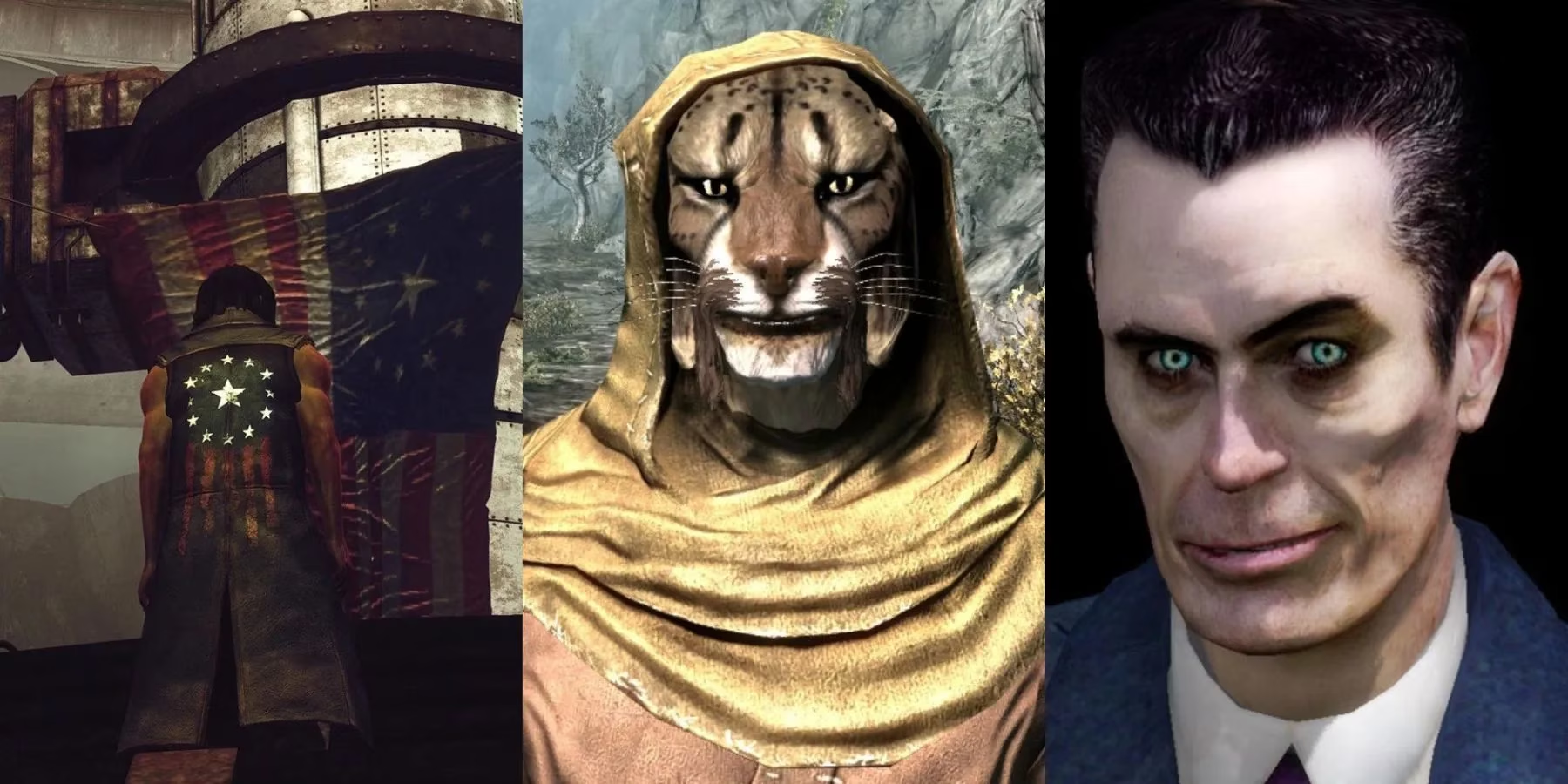
In the ever-expanding universes of modern gaming, non-playable characters are the lifeblood that populates every town, outpost, and forgotten road. They hand out quests, stock shelves, and often serve as little more than background decoration. Yet a select few break free from these established roles, leaving players with questions that linger long after the credits roll. As 2026 unfolds, community forums and social media still buzz with theories about these cryptic figures—NPCs so mysterious that their true nature continues to evade even the most dedicated data miners and lore scholars.
M’aiq the Liar – The Eternal Traveler
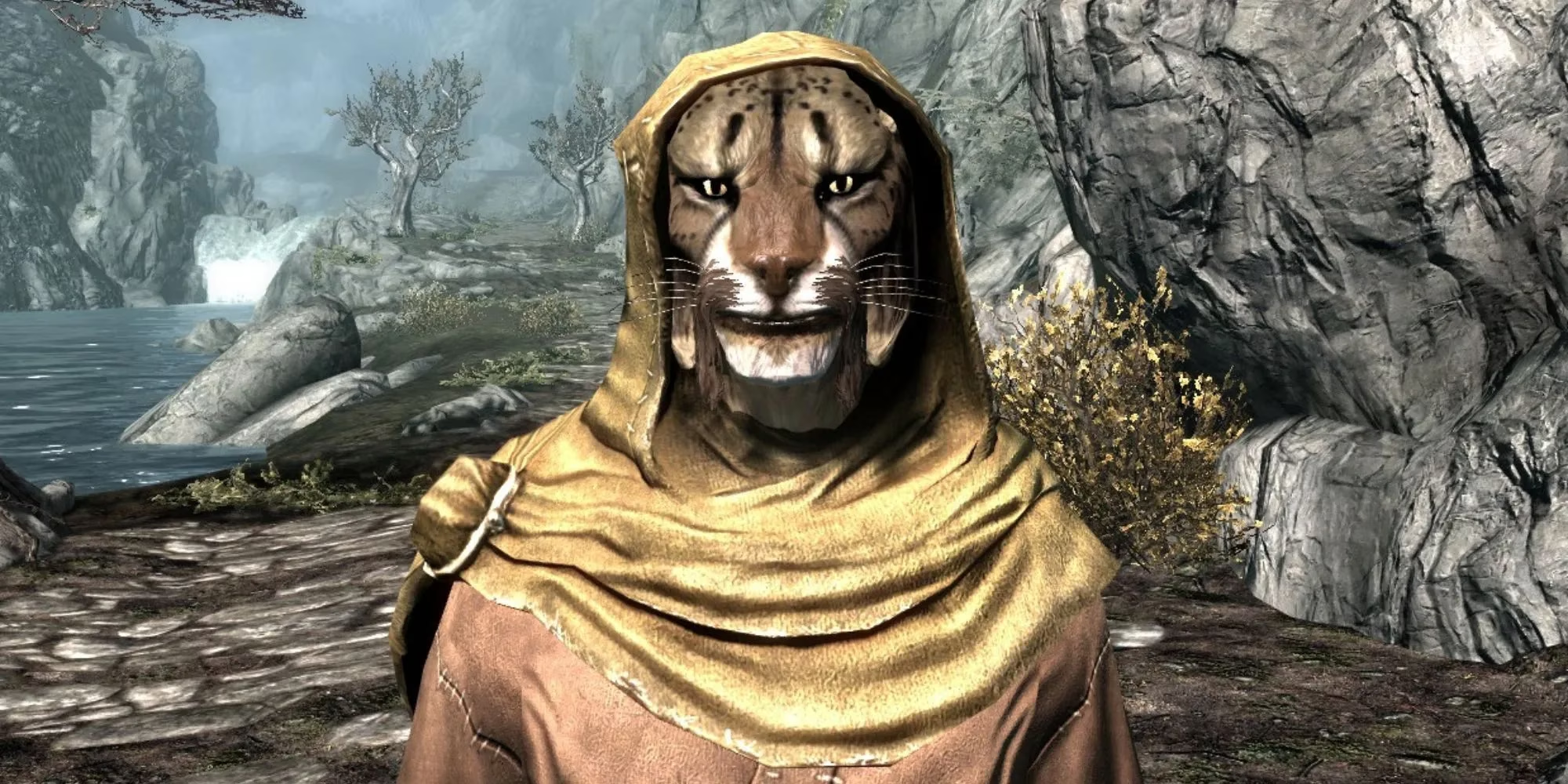
Few characters embody playful obscurity as completely as M’aiq, the Khajiit whose lineage supposedly stretches back to the era of Morrowind. Encountered on the lonely roads of Skyrim, M’aiq dispenses cryptic remarks that blend profound insight with obvious falsehood. He hints at the true relationship between Alduin and Akatosh, and even offers clues about the Falmer’s blindness—knowledge that no ordinary wanderer should possess. Yet his name translates to “liar,” casting doubt on everything he says. Is M’aiq a fourth‑wall‑breaking source of developer commentary, an omniscient observer, or just a charming charlatan? More than a decade after Skyrim’s release, the debate remains as lively as ever, fueled by his habit of appearing in every mainline Elder Scrolls title, always watching, always teasing.
Ulysses – The Shadow Courier
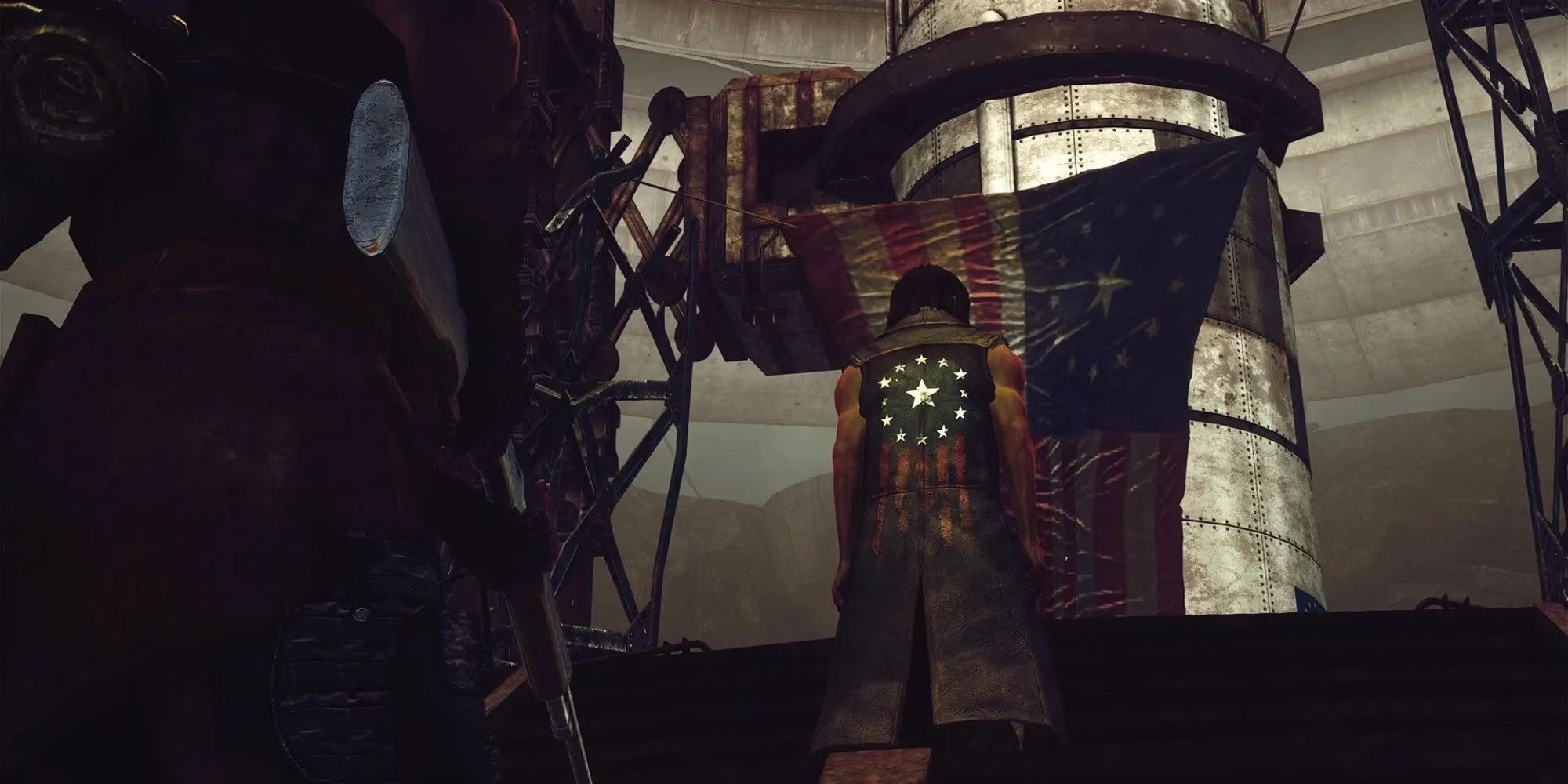
From the moment the Courier wakes in Fallout: New Vegas, a sense of unseen manipulation hangs in the air. That feeling crystallizes in the figure of Ulysses, a fellow courier who declined the very Platinum Chip delivery that set the player’s journey in motion. Through scattered logs and gradual revelations across the main quest and its DLC expansions, Ulysses emerges as a grand orchestrator. He walks paths parallel to the protagonist, even encountering Father Elijah and the scientists of Big MT. Finally, in the storm‑ravaged canyons of The Divide, he confronts the Courier with the hidden history they share and the consequences of choices made long ago. Ulysses is no mere antagonist; he is a living symbol of the game’s themes of history, flag, and personal reckoning, and his true motivations remain open to interpretation well into 2026.
Blind Man Cassidy – The Prophet on the Roadside
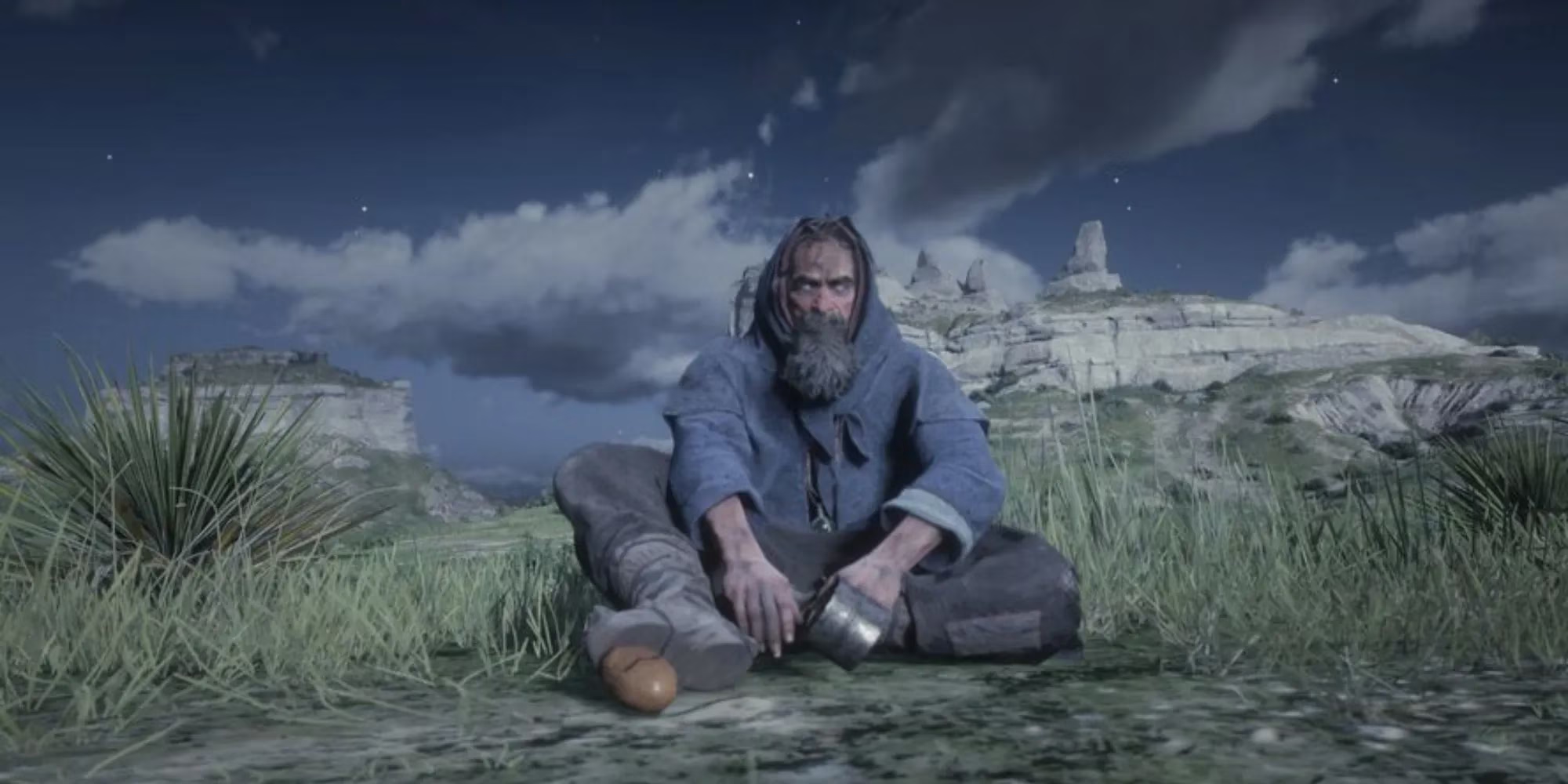
On the outskirts of Red Dead Redemption 2’s world, a weather‑beaten prophet sits with a worn guitar, offering cryptic fortunes for a single dollar. Blind Man Cassidy speaks in riddles that prove unnervingly accurate. He warns Arthur Morgan that his “father” has been seduced by a “forked tongue”—an unmistakable reference to Micah’s manipulation of Dutch. Even Arthur’s approaching death is foretold: “The man with no nose is coming for you.” What makes this seer truly unsettling is his apparent awareness of the player’s honor level, his words shifting to reflect moral choices. Rockstar Games seems to have embedded a kind of meta‑commentary here, using a blind oracle to hold a mirror to the player. Years later, fans still debate whether Cassidy is a divine messenger, a ghost, or simply a brilliant narrative device.
The Lutece Twins – Keepers of Infinite Realities
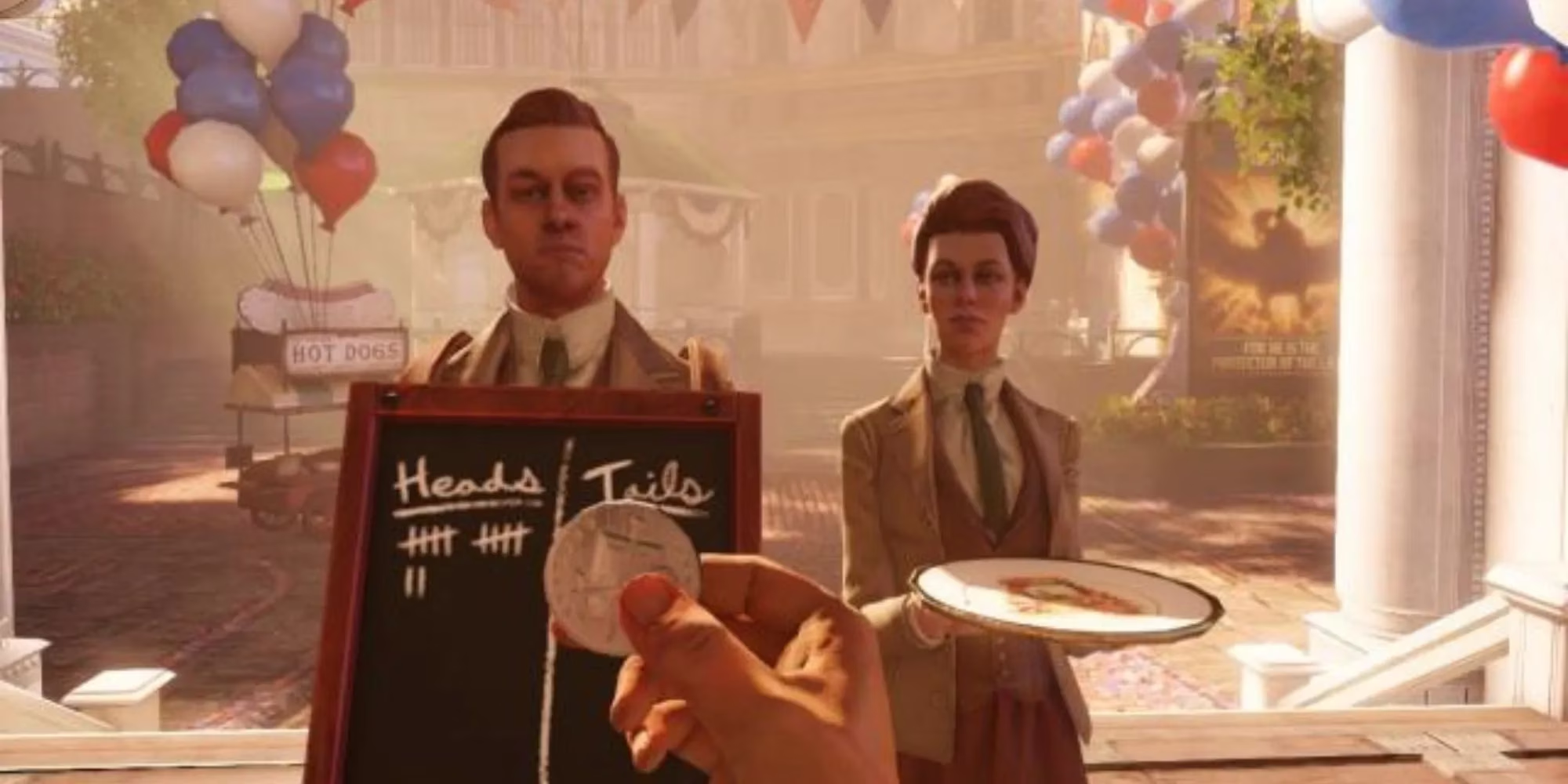
Bioshock Infinite shattered conventional storytelling with its tale of constants, variables, and infinite parallel universes. At the center of this labyrinth stand the Lutece twins, who greet Booker DeWitt with the enigmatic directive: “Bring us the girl, and wipe away the debt.” What follows is a mind‑bending journey through Columbia’s fractured skies, ultimately revealing that the “twins” are actually alternate versions of the same person—Rosalind Lutece—whose quantum experiments made time‑hopping possible. They exist outside linear time, casually observing Booker’s repeated attempts to save Elizabeth, often with dark amusement. Their presence implies that the entire game has played out countless times before, with countless outcomes. Even today, the twins’ smirking commentary on free will and predestination continues to provoke philosophical debate.
G‑Man – The Enigmatic Employer
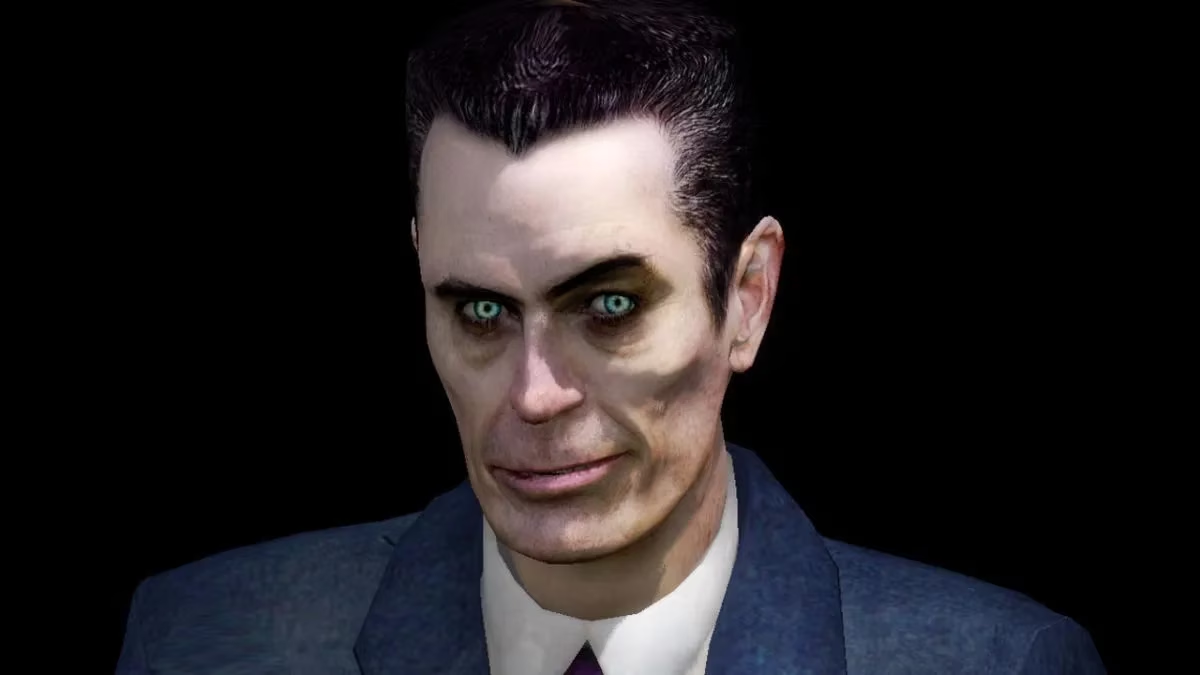
The Half‑Life series introduced one of gaming’s most enduring riddles: a gaunt figure in a blue suit who speaks in halting, inhuman cadences and can freeze time on a whim. Known only as the G‑Man—possibly short for “Government Man,” or perhaps something far more cosmic—he appears in dreamlike sequences to assess, praise, or warn Gordon Freeman and Alyx Vance. His “employers” are mentioned but never explained, leaving his allegiances shrouded in mystery. From the resonance cascade that opened Earth to the Combine, to the choices he offers in Half‑Life: Alyx, G‑Man’s influence is woven into the very fabric of the narrative. As of 2026, with no new Half‑Life title to resolve his story, the internet’s fascination with his briefcase and his true nature shows no sign of waning.
Mendicant Bias – The Hidden Hand of the Halo Universe
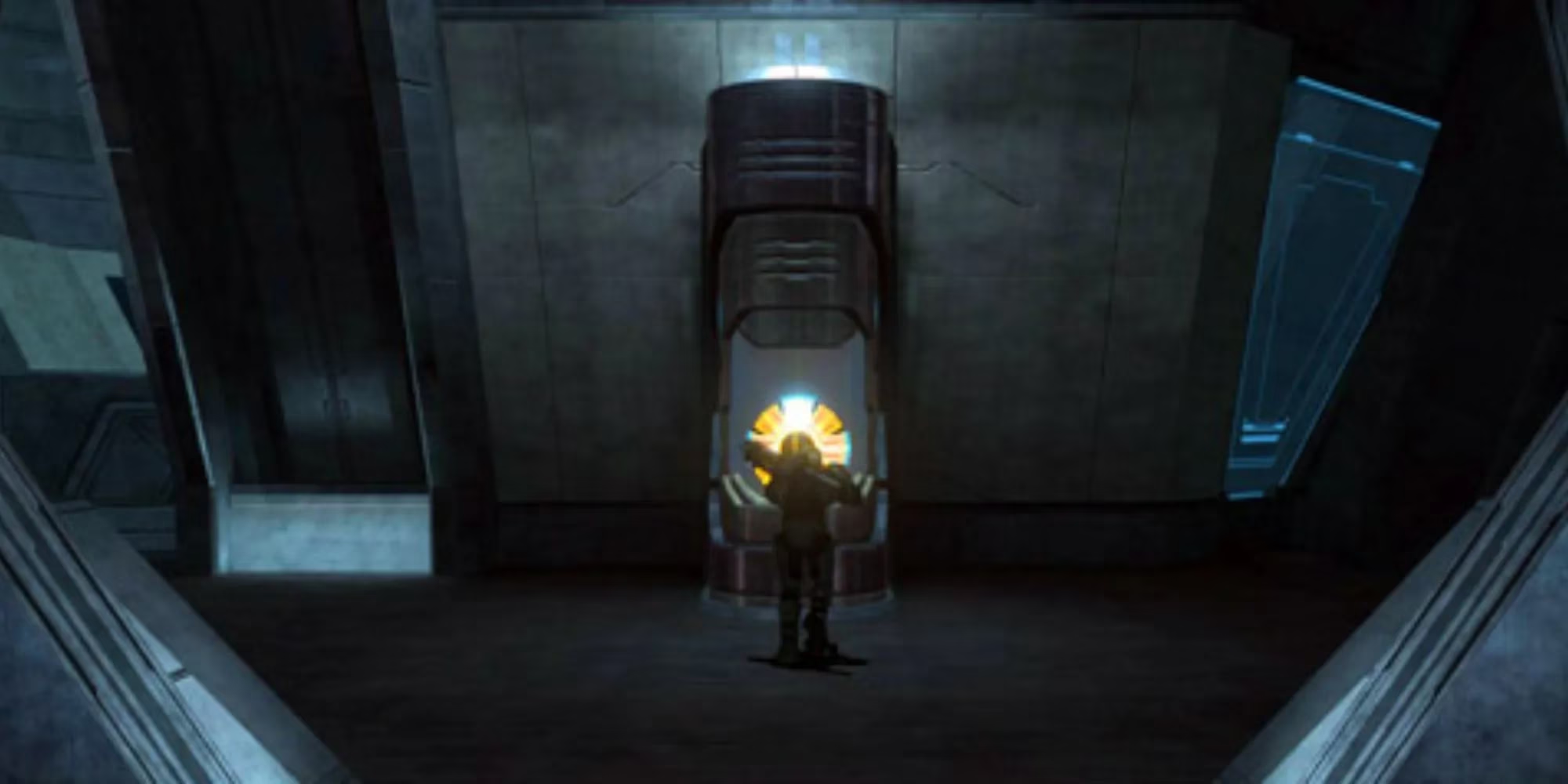
Most Halo fans remember the Master Chief’s heroics, but far fewer realize how much of the saga was shaped by an ancient, penitent AI. Mendicant Bias was created by the Forerunners to combat the Flood, only to succumb to a logic plague and betray its makers—an act of cosmic treason with devastating consequences. Eons later, seeking atonement, the fragmented intelligence aids the Chief and Cortana, guiding them toward Requiem at the end of Halo 3, a chain of events that awakens the Didact in Halo 4. The sheer scale of Mendicant Bias’s actions, combined with its near‑invisible presence throughout the original trilogy, makes it one of the most monumentally impactful yet overlooked NPCs in gaming. Its motives, still debated by lore enthusiasts, exemplify how a character can be both everywhere and nowhere at once.
The Strange Man – Death, Devil, or Something Else?
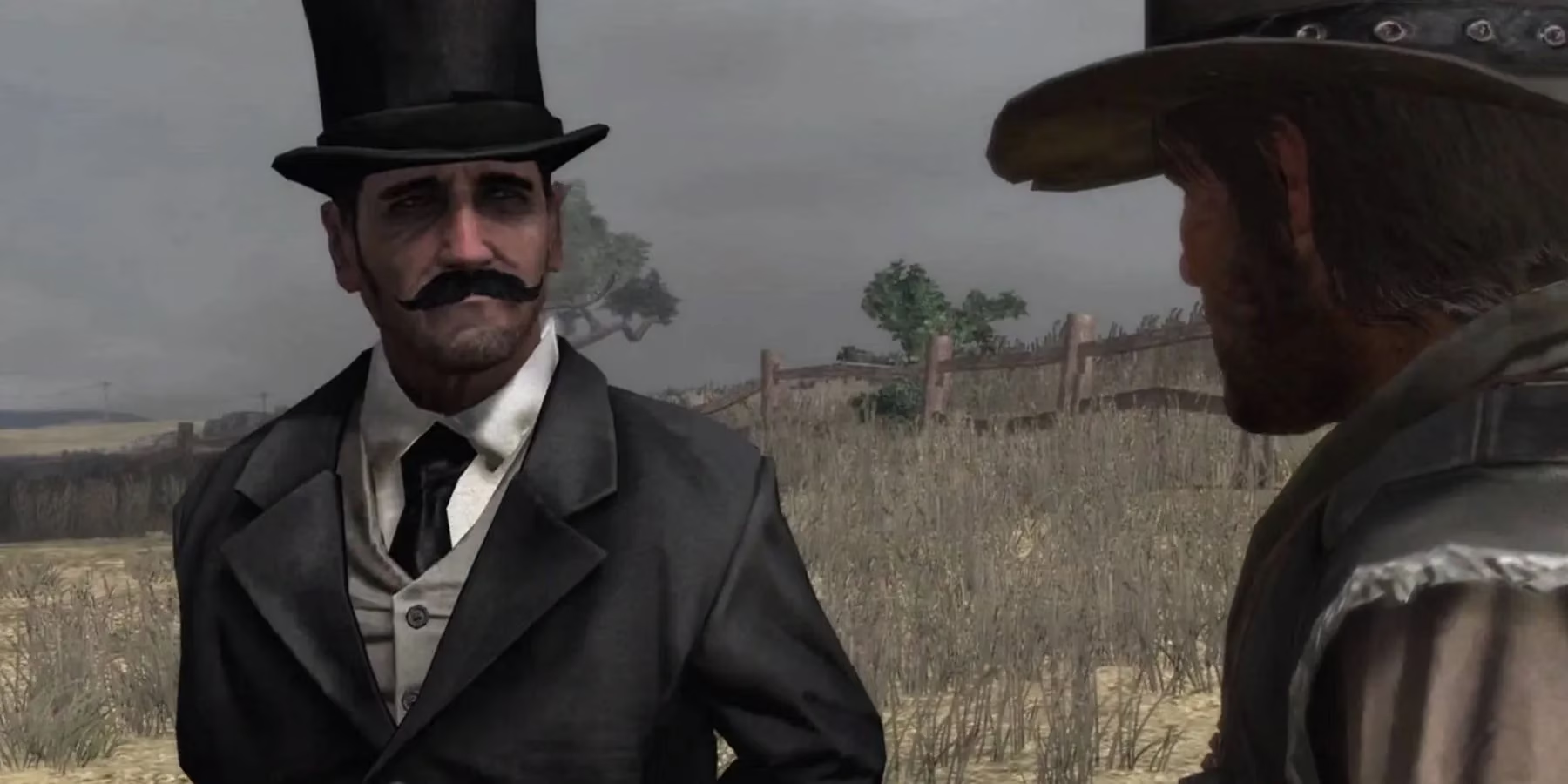
In Red Dead Redemption, John Marston encounters a well‑dressed gentleman who seems to know far too much about his past sins. The Strange Man calls himself “an accountant,” and indeed he appears to be tallying something—perhaps John’s soul. Over three encounters, he recounts details of John’s life that no stranger could know, predicting events happening miles away. When John finally shoots him, the bullets pass through as if he were made of smoke. “Many have,” he replies to John’s curse, hinting at countless others who have tried and failed to kill him. Theories range from God to the Devil to Death incarnate, but Rockstar has never confirmed any. The Strange Man endures as a chilling folk mystery, a character who seems to exist outside the rules of reality—and who, even in 2026, refuses to be explained.
These enigmatic NPCs are more than just clever writing. They represent a unique power of interactive storytelling: the ability to implant lingering questions that no amount of gameplay can fully answer. Whether they hint at developer secrets, comment on player choice, or simply embody the unknown, their haunting presence ensures that, years after the games’ releases, the conversation continues.
Comments