The 2026 gaming trend of strategic crossovers, like Microsoft Flight Simulator's Dune partnership, proves no niche genre is off-limits for lucrative pop culture collaborations.
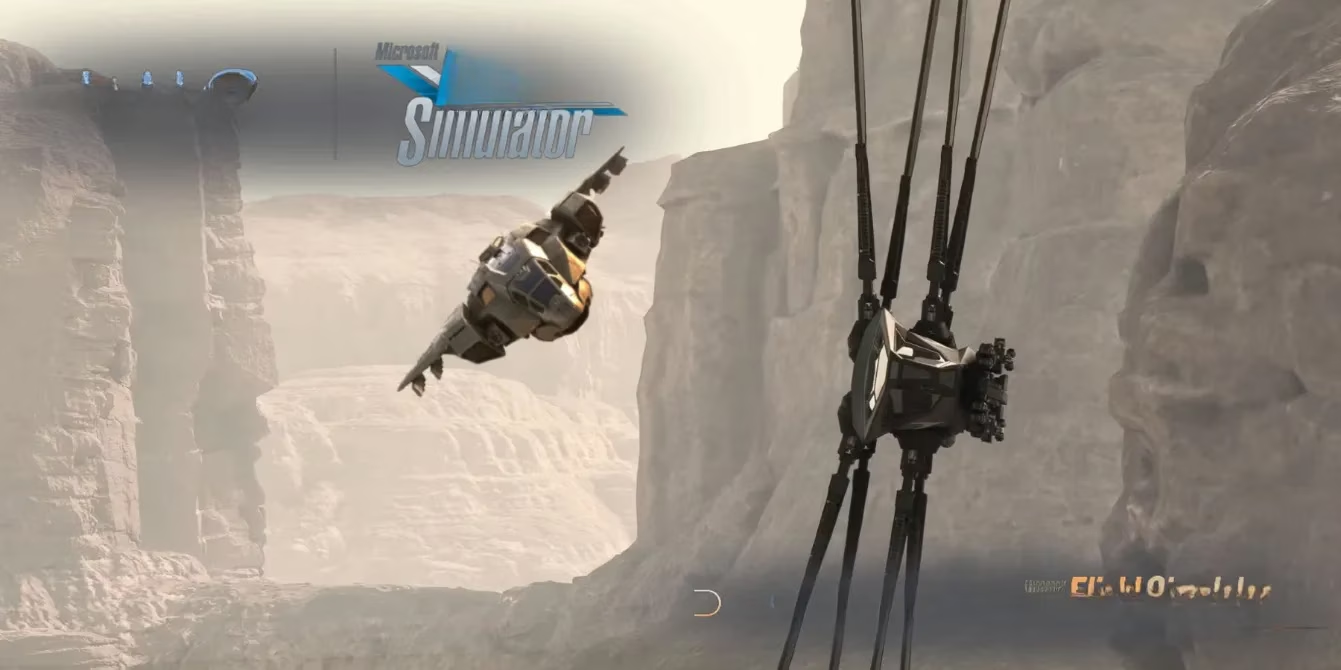
In the ever-evolving landscape of video games, 2026 has seen a fascinating trend solidify its place: the strategic, often surprising, crossover. The announcement that sent ripples through the sim community—Microsoft Flight Simulator partnering with the cinematic epic Dune to bring the iconic Atreides Ornithopter to virtual skies—wasn't just a cool addition; it was a precedent-setting move. This collaboration, timed to coincide with the release of Dune Part Two, stole the spotlight even amidst news of the upcoming Microsoft Flight Simulator 2024. It proved that even the most realistic, niche simulators could play in the big leagues of pop culture partnerships, signaling to other developers that no genre is off-limits for this lucrative strategy. Talk about thinking outside the box—or in this case, outside the cockpit!
The Crossover Lifeblood: From Fortnite to Flight Sims
Let's be real, the crossover game is strong in 2026. For some titles, it's their very raison d'être. We're talking about the usual suspects:
-
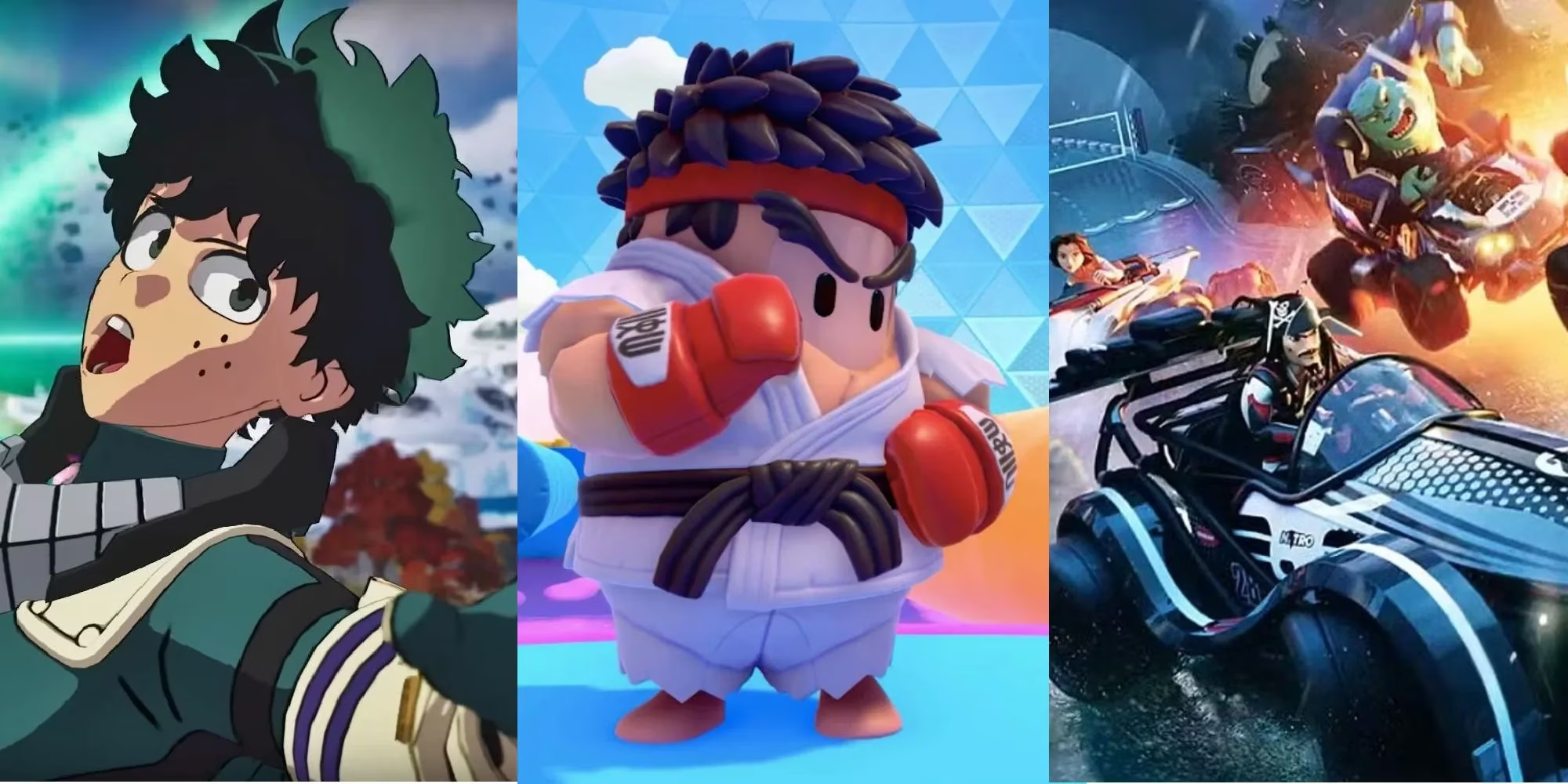
Fortnite: The undisputed king, mastering crossovers beyond just entertainment into sports, music, and even historical figures. It's a whole vibe.
-
Fall Guys & Dead by Daylight: These games have built massive communities by constantly injecting fresh, familiar faces from other universes.
The free-to-play model opened the floodgates, showing brands the insane reach possible through gaming. But it's not just the new guard. Legacy series like Super Smash Bros., Kingdom Hearts, and Marvel vs. Capcom were doing the crossover thing way before it was cool, primarily through the fighting game scene with staples like Street Fighter and Mortal Kombat. The difference now? The approach has shifted. It's less about inherent genre synergy and more about calculated, often unexpected, partnerships that generate maximum hype and engagement. Developers are going all in to grab a slice of this trend before the well runs dry.
The "Wait, What?" Factor: Unlikely Collaborations Take Center Stage
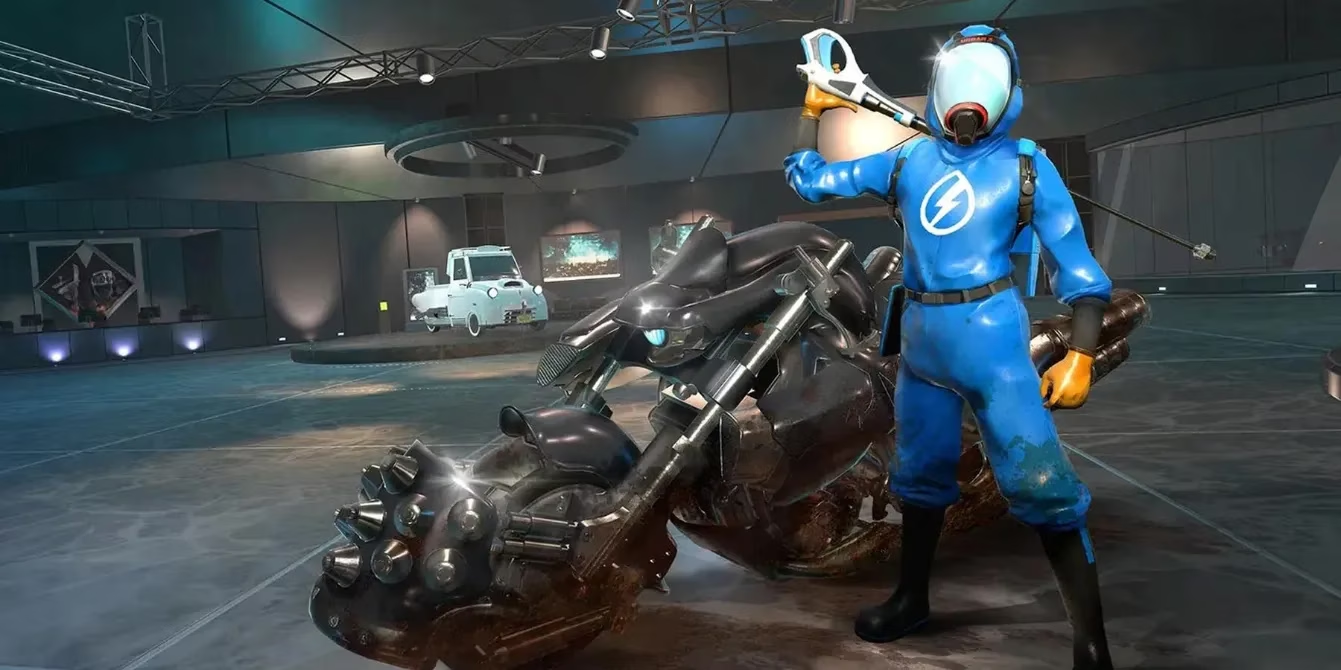
This is where things get interesting. The most talked-about crossovers in recent years are often the head-scratchers—the ones that make you go, "Huh?" Microsoft Flight Simulator teaming up with Top Gun: Maverick? Makes perfect sense. But its partnership with Halo Infinite? That's a bit more out there. The champion of this "unlikely alliance" category has to be PowerWash Simulator. Who would have thought that cleaning virtual grime would be the perfect backdrop for adventures with Tomb Raider's Lara Croft or the characters from Final Fantasy 7? It's random, it's brilliant, and it absolutely works.
These collaborations show a new model: treating crossovers as strategic transactions. It's not always about deep lore connections (like Sea of Thieves and Monkey Island); sometimes, it's about the sheer surprise and novelty value. This model is proving wildly successful, with no signs of slowing down. It means that in 2026, literally any game—from the most hardcore simulator to the coziest indie title—could be the next to score a massive, headline-grabbing partnership. Players have to stay on their toes!
The New Blueprint: What Microsoft Flight Simulator's Dune Deal Means for the Future
So, what does the Dune ornithopter soaring into Microsoft Flight Simulator tell us about the future? It cements a new blueprint for crossover success:
-
Genre is No Barrier: Realism and simulation are not constraints for imaginative partnerships.
-
Timing is Everything: Aligning with major movie releases (Dune Part Two) creates a powerful, synergistic marketing wave.
-
The Element of Surprise: The "wow" factor from an unexpected pairing generates immense organic buzz and conversation.
This approach is a far cry from the peer-to-peer partnerships of the past (Nintendo and Sega, for example). Now, it's a broad, opportunistic network. As we look ahead, the crossover era promises more of these delightful, bizarre, and brilliant team-ups. The success of Microsoft Flight Simulator's ventures shows that developers are willing to take big swings, knowing that today's players crave fresh, shared cultural experiences within their favorite games. The message is clear: in the gaming world of 2026, expect the unexpected. The next major collaboration could be waiting in the most unassuming hangar, ready for takeoff.
Comments