Modern gaming in 2026 thrives on seamless solo and multiplayer experiences, offering captivating worlds for both solitary and cooperative play.
As a dedicated gamer navigating the vast landscapes of 2026, I find the modern gaming ecosystem fascinating. The once-clear divide between solitary, narrative-driven adventures and chaotic, social multiplayer arenas has become beautifully blurred. For players like me, the ultimate satisfaction often comes from games that offer a seamless, hybrid experience—a world I can lose myself in alone, yet one I can effortlessly share with friends when the mood strikes. This isn't just a niche desire; it's a defining feature of some of the most enduring and beloved titles in recent memory. These games understand that our playstyles are fluid, and they build their worlds accordingly, creating spaces that are equally compelling whether you're seeking quiet reflection or cooperative camaraderie.
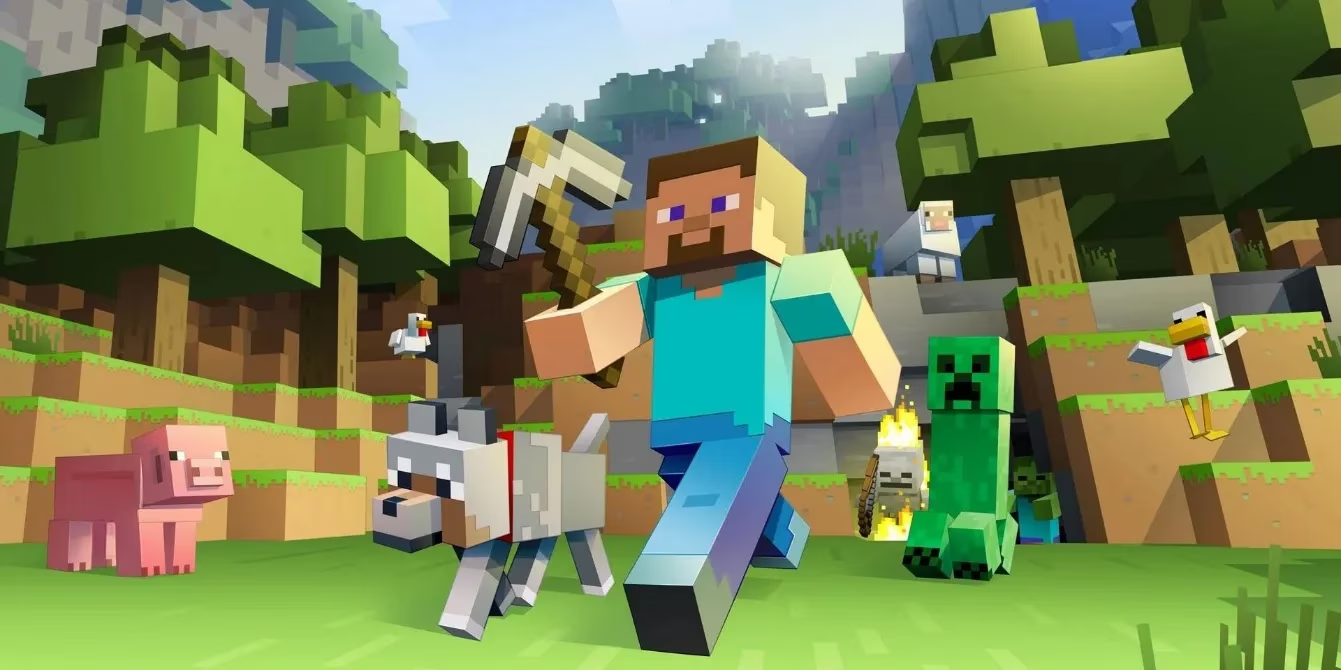
When I think of a title that truly embodies this philosophy, Minecraft is the undisputed champion. It's more than just the best-selling game of all time; it's a digital canvas where the boundaries between solo and social play are virtually non-existent. I've spent countless hours in my own procedurally generated realm, mining, building, and exploring at my own pace. The beauty lies in the effortless transition—I can open that same world to my friends with a few clicks, transforming my solitary fortress into a bustling collaborative project. With features like Realms and a modding community that continues to innovate, Minecraft in 2026 remains the quintessential example of a game built for every kind of player.
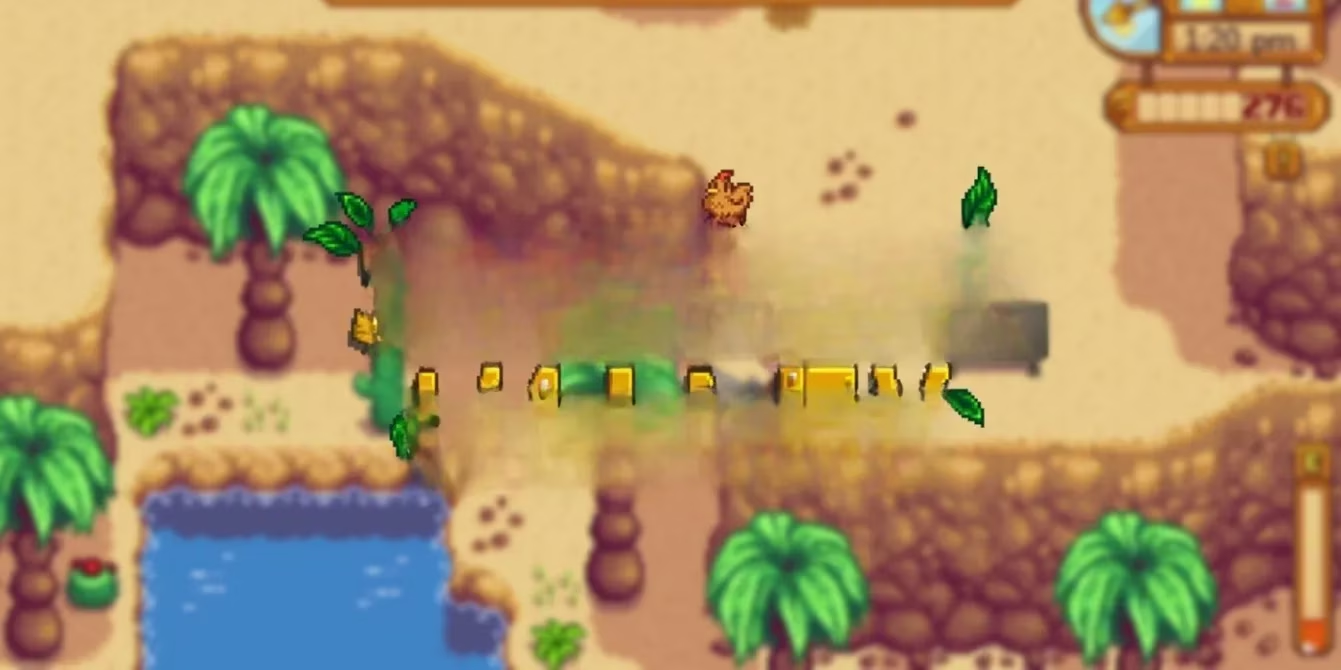
My journey into harmonious game design also led me to the charming pixelated fields of Stardew Valley. This farming simulation masterpiece offers a deeply personal single-player narrative where I befriend townsfolk, tend to my crops, and explore mysterious mines. Yet, its cooperative mode is implemented with such elegant simplicity. Jumping into a friend's farm to help with the harvest or tackle the Skull Caverns feels natural and uninterrupted. The game doesn't penalize you for playing differently; it celebrates it. This flawless integration makes it the perfect long-term project for friend groups with mismatched schedules.
The evolution of this hybrid model is evident in major franchises too. Halo Infinite's 2022 update was a revelation for series fans like myself. For the first time, the expansive, open-world campaign—a first for the franchise—could be experienced cooperatively. Teaming up with a friend to explore Zeta Halo, taking down Banished outposts together, completely transformed the classic Halo campaign feel. While the dedicated multiplayer scene has seen fluctuations, the campaign's co-op feature cemented a legacy of flexible, shared experiences that I hope becomes a staple for the series' future.
For those craving a more intense, visceral adventure, Dead Island and its spiritual successors set a high bar. Techland's approach was brilliantly straightforward: a simple toggle that allowed other players to seamlessly drop into my zombie-infested paradise. This created unpredictable and memorable moments, whether I was collaborating with strangers to fend off a horde or discovering a helpful ally had secretly repaired my vehicle. The game respected my agency, allowing me to engage with others or continue my solitary survival horror journey without friction.
The list of pioneers doesn't end there. Here’s a quick look at other titans that mastered the blend:
| Game | Core Genre | Key Blending Feature |
|---|---|---|
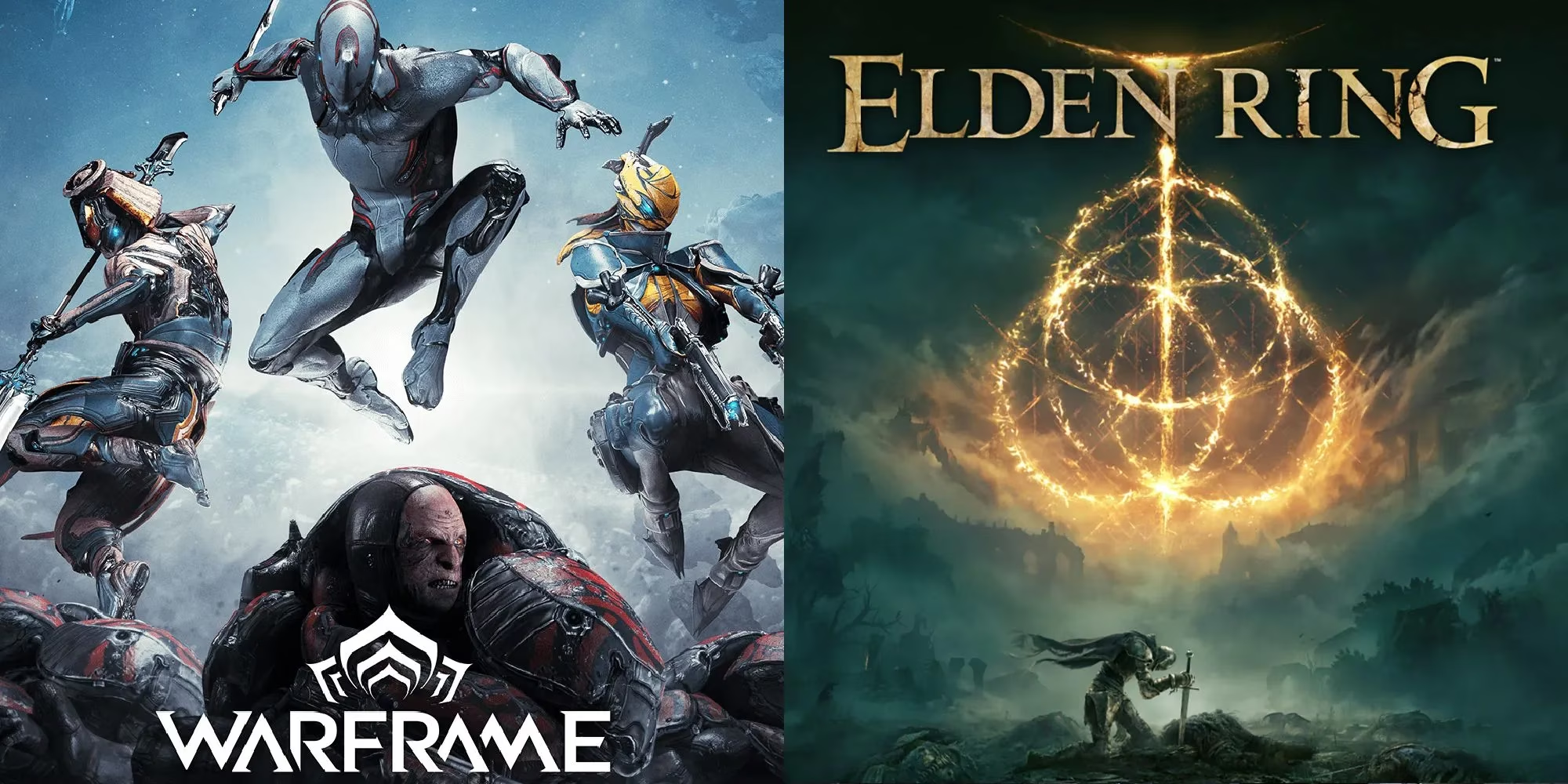
| Warframe | Looter Shooter / MMO-lite | Massive shared social hubs (Relays) with instanced, matchmade co-op missions for story and farming. |
| The Forest / Sons of the Forest | Survival Horror | Public or private lobby system where the entire campaign can be played solo or with a crew. |
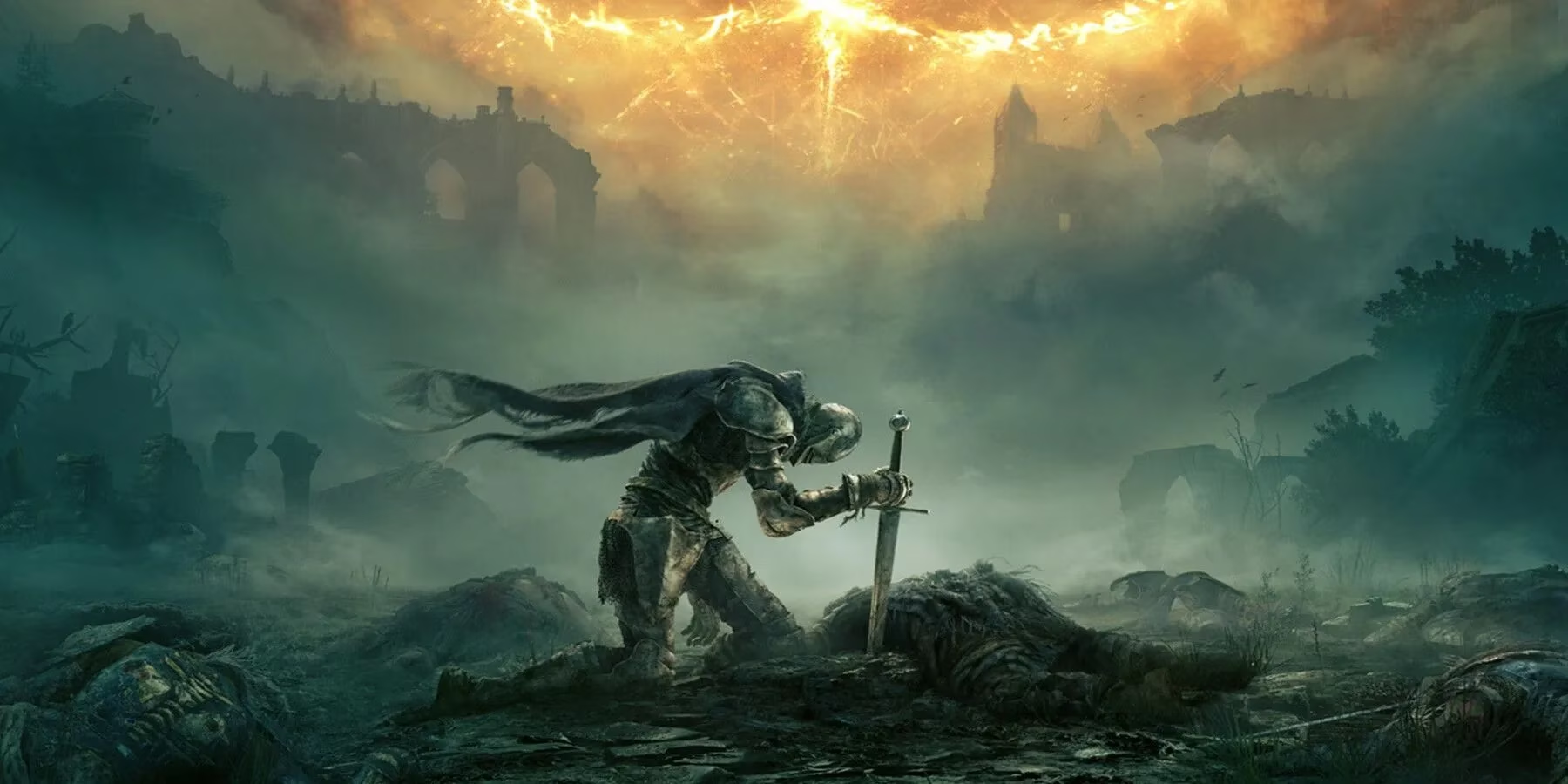
| Elden Ring | Action RPG / Soulslike | Asynchronous multiplayer via messages/ghosts, with seamless co-op summoning for boss fights and areas. |
Warframe deserves special mention for scaling this idea to a massive level. As a solo player, I can navigate its sci-fi epic entirely at my own pace. Yet, the game is inherently designed around cooperative play for its more challenging missions. The matchmaking is so smooth that transitioning from a solo story quest to a full squad tackling a Eidolon on the Plains of Eidolon feels completely natural. This design genius is a major reason for its enduring popularity over a decade later.
Similarly, The Forest terrified me equally whether I was alone or with friends. The game's systems are identical across modes, but the experience transforms dramatically. A tense, psychological horror story alone becomes a chaotic, base-building strategy game with a group. The ability to open my lobby to the public added an element of thrilling uncertainty that few other games have matched.
Finally, Elden Ring took the Souls series' unique multiplayer philosophy and perfected it for an open world. The haunting, beautiful Lands Between are mine to explore in lonely contemplation. But when I hit a wall—a certain Malenia, perhaps—the ability to summon a friend (or a brave stranger) for jolly cooperation is a game-changer. It adds a layer of communal warmth to a world renowned for its brutal, solitary challenge. This isn't an easy mode; it's a different, socially-connected way to experience the same awe-inspiring adversity.
Reflecting on these experiences, the trend is clear. The most memorable open-world games of our time are those that reject a binary choice. They build persistent, reactive worlds that serve as a stage for both personal odysseys and shared legends. As we move forward, I believe this flexible, player-centric design will become the standard, not the exception. After all, the greatest virtual worlds are those that accommodate all the ways we wish to live within them—in quiet solitude, or in joyful, chaotic company. The future of open-world gaming isn't about choosing a side; it's about having the freedom to flow between them all. 🎮✨
Comments