Video game music with lyrics and iconic vocal tracks transforms gaming worlds, amplifying emotion and narrative for unforgettable player experiences.
In the vast, interactive canvas of video games, music acts as the invisible hand that guides the player's emotions, painting scenes of triumph, loss, and wonder with every note. While instrumental scores are often the foundation, songs with lyrics possess a unique power. They can be a character's manifesto, a world's anthem, or the haunting echo of a story's soul, cutting through the digital noise to leave a permanent mark on the memory. From the grimy streets of a cyberpunk dystopia to the solemn plains of a fantasy epic, these vocal tracks are more than just background noise; they are essential narrative threads woven into the fabric of their respective worlds, transforming great games into unforgettable experiences.
The Cyberpunk Anthem: SAMURAI's Fury
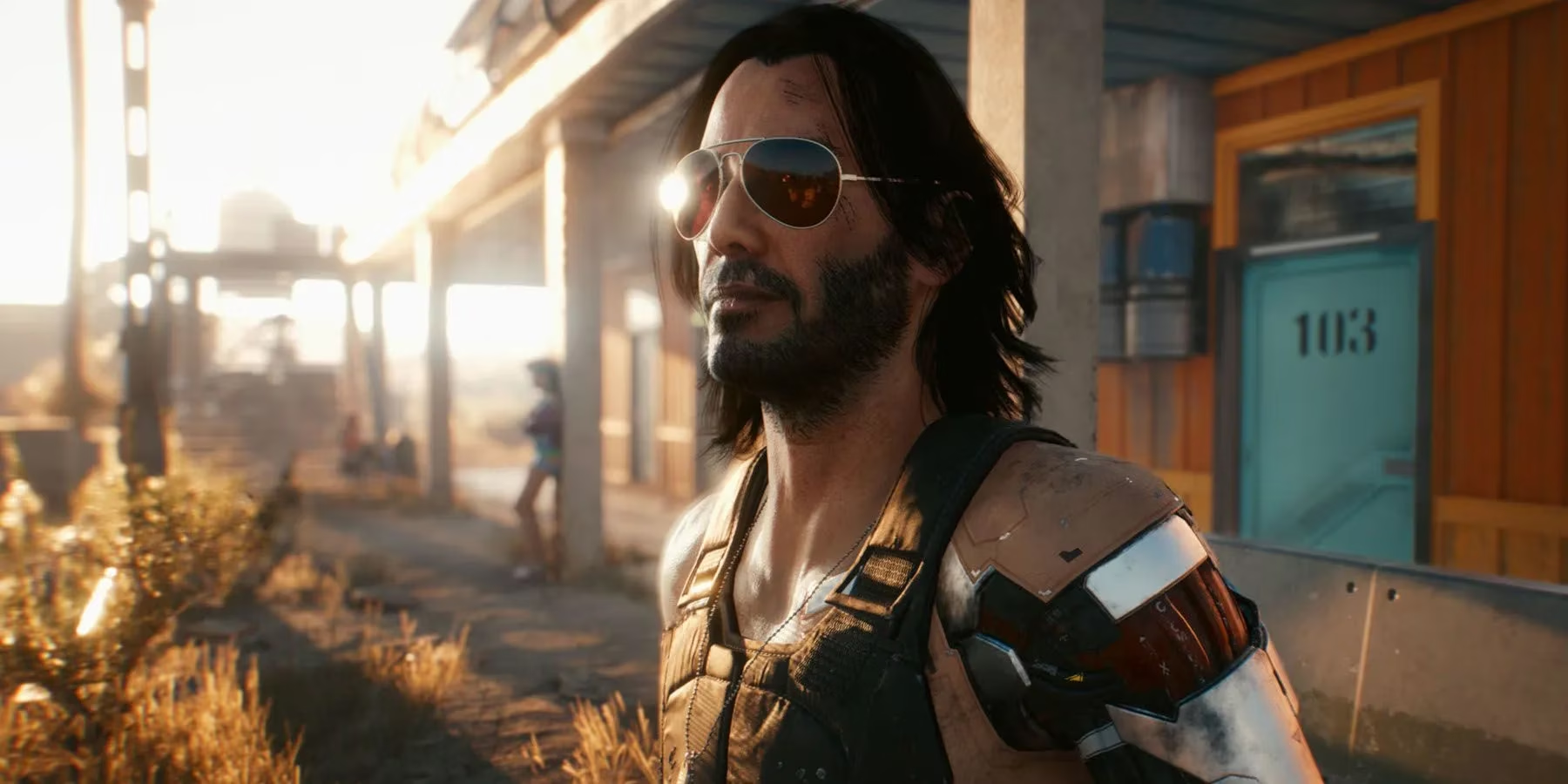
The sprawling neon jungle of Cyberpunk 2077 is a symphony of chaos, and its fictional band, SAMURAI, provides the perfect, discordant soundtrack. Performed by the Swedish hardcore punk band Refused, SAMURAI's music is the raw, beating heart of Night City's rebellion. Fronted in-game by the iconic Johnny Silverhand (Keanu Reeves), their tracks are like a sledgehammer to the senses—aggressive, unapologetic, and dripping with anti-corporate vitriol. This music isn't just for listening; it's a weapon, a rallying cry that adds the essential 'punk' to the Cyberpunk. While its heavy riffs and guttural vocals might not be for everyone, they are indispensable in making the game's pivotal narrative moments feel visceral and lived-in, like a live wire sparking in the rain.
The Cinematic Spy Thrill: "Snake Eater"
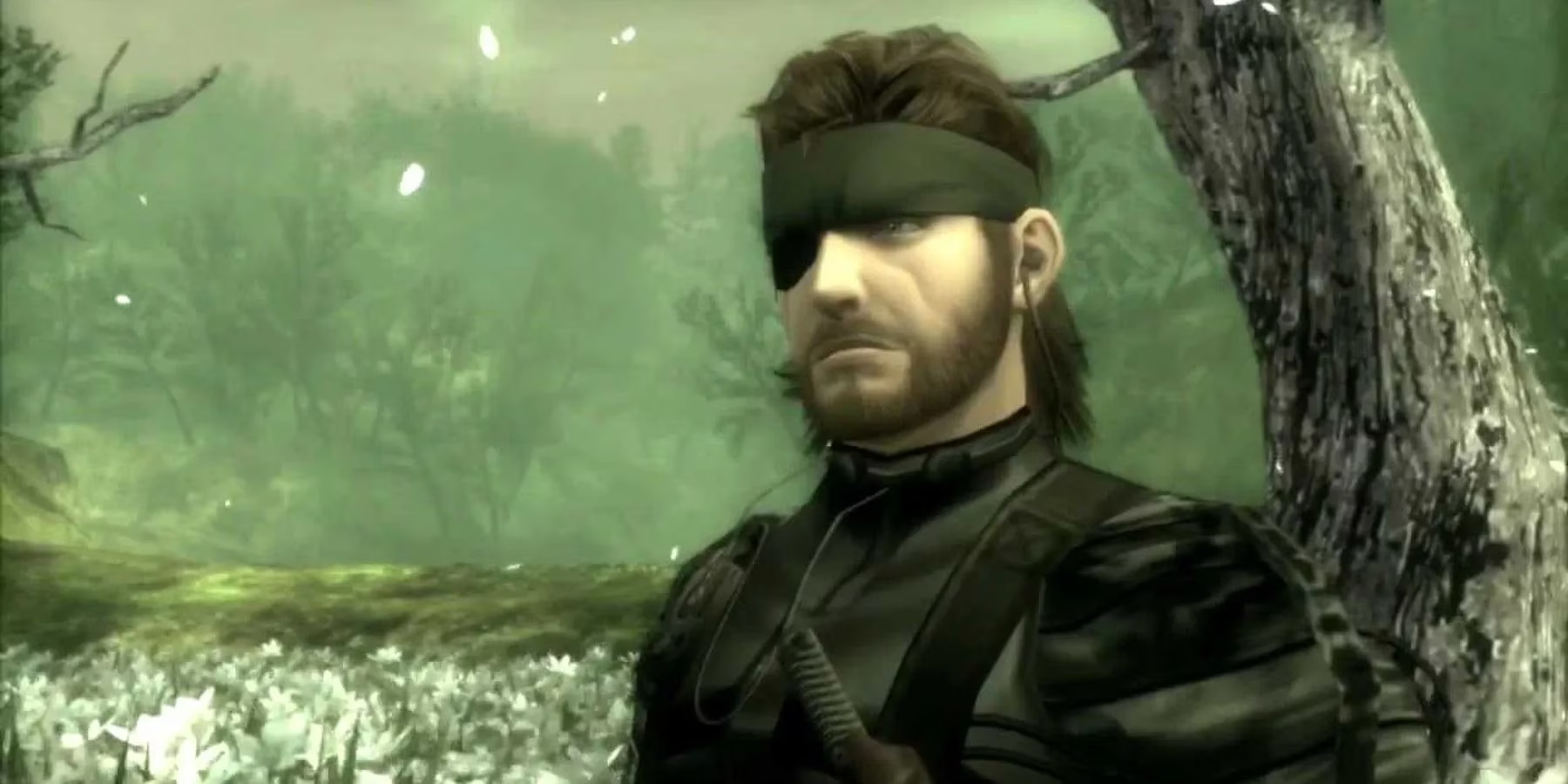
Metal Gear Solid 3: Snake Eater is a masterclass in cinematic stealth, and its title theme is the operatic overture that sets the stage. Evoking the grandeur of a classic James Bond theme, the song "Snake Eater" is a sweeping orchestral piece with powerful brass, dramatic strings, and a soaring female vocal. It doesn't just accompany the action; it encapsulates the entire feeling of the game—the tension, the drama, the tragic romance of a soldier's duty. The vocal hooks and musical stings are as precise and impactful as a sniper's bullet, perfectly framing Big Boss's origin story. This track is the soul of the mission, a melody that lingers like the scent of cordite in a damp jungle.
A Haunting Hymn: "Will The Circle Be Unbroken"
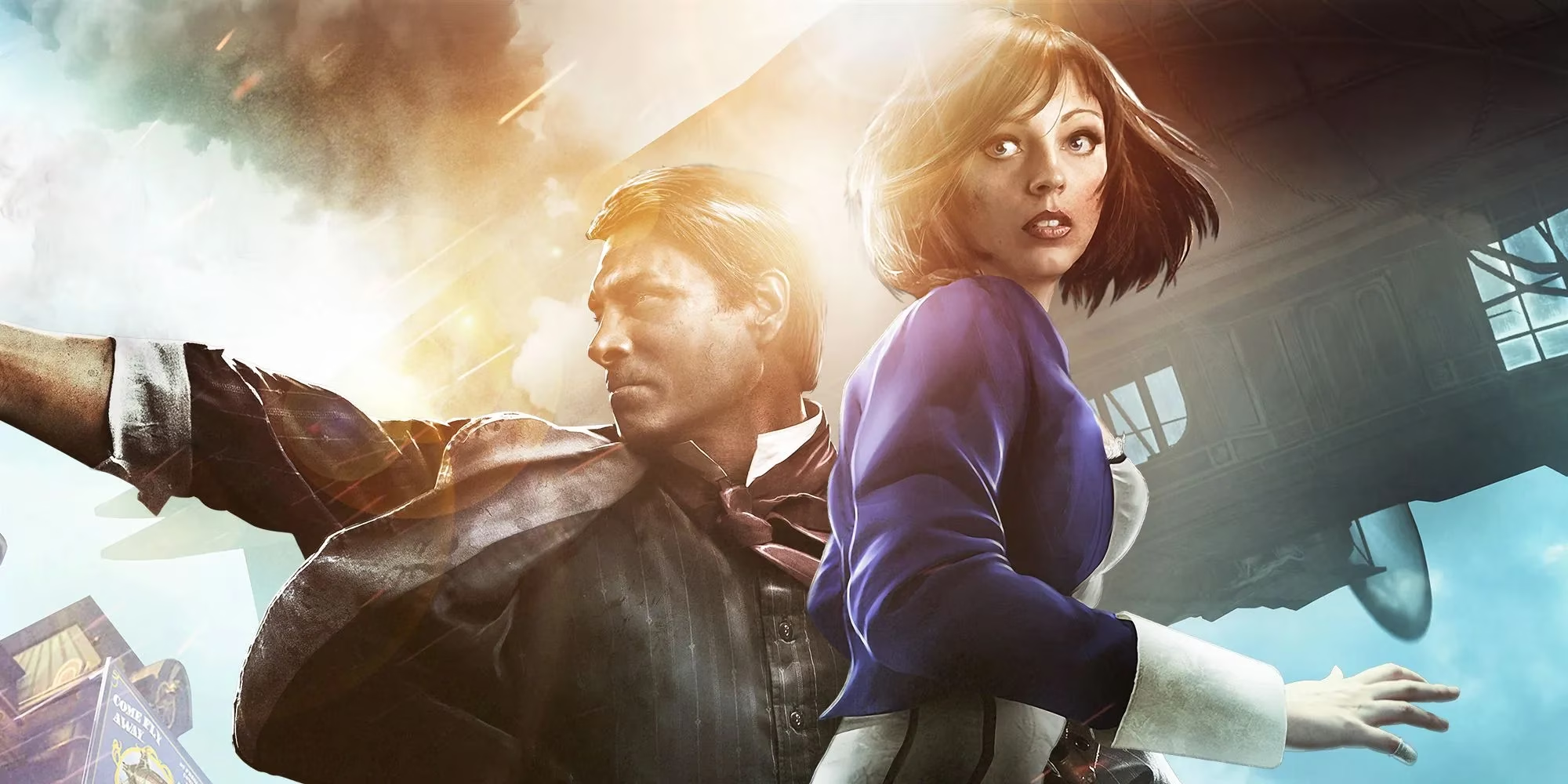
BioShock Infinite crafts its world of airborne dogma and twisted Americana with impeccable detail, and its music is a cornerstone of that immersion. Among its many anachronistic tunes, "Will The Circle Be Unbroken" stands apart. Performed in-game by the character strumming an acoustic guitar (voiced by Troy Baker), this rendition is hauntingly sparse. It's a lonely campfire song in a gilded cage, its gentle melody and melancholic lyrics cutting through the city's fanatical noise like a knife through silk. The song becomes a thematic anchor, a moment of quiet humanity that questions the very cycles of violence and belief the narrative explores. It’s less a song and more a ghost, whispering the game’s central dilemmas directly into the player's ear.
A Bard's Solemn Tale: "Leliana's Song"
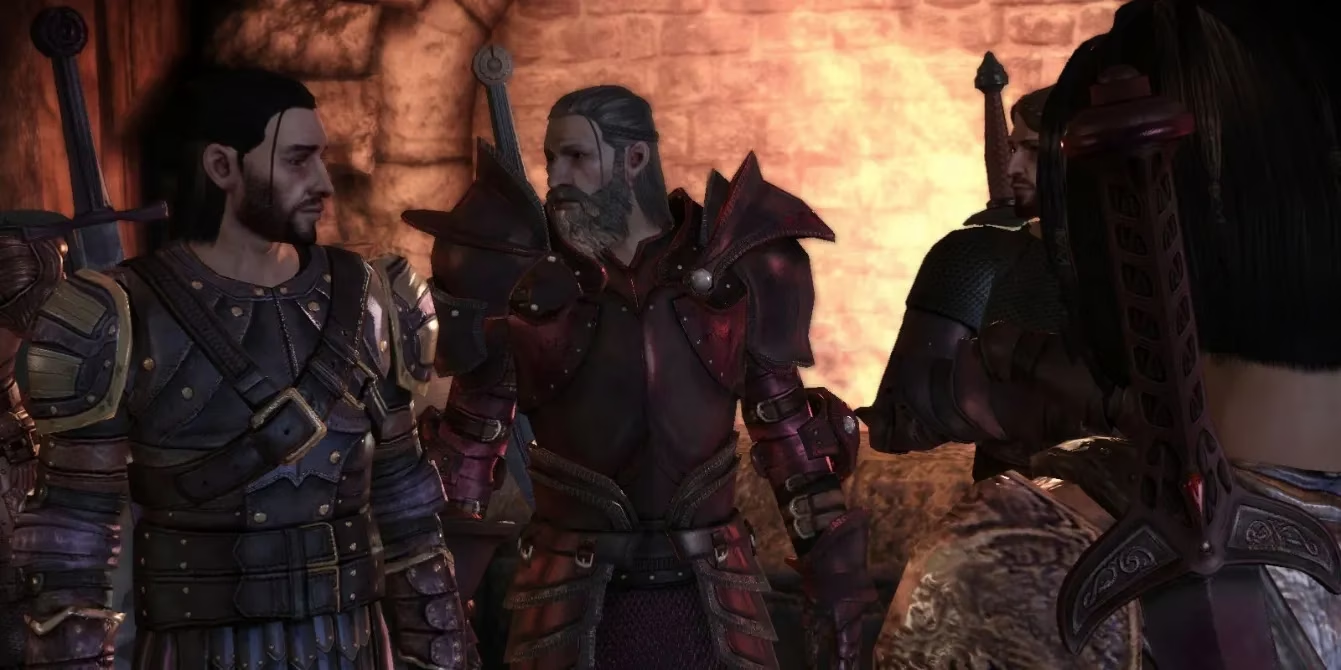
The world of Dragon Age: Origins is one of grim decisions and epic stakes, beautifully scored by composer Inon Zur. Amidst the orchestral battles and tense explorations, "Leliana's Song" arrives as a moment of profound tranquility. This hauntingly beautiful track, sung by the elven bard companion Leliana, serves as a quiet epilogue to a major quest. Its gentle, sorrowful melody is a balm for the soul after relentless conflict, offering players a space for retrospection. The song feels like finding a single, perfectly preserved flower in a war-torn field—a fragile yet powerful reminder of the beauty and personal stories that persist even in dark times.
The Rhythm of Rebellion: Hi-Fi Rush's Boss Theme
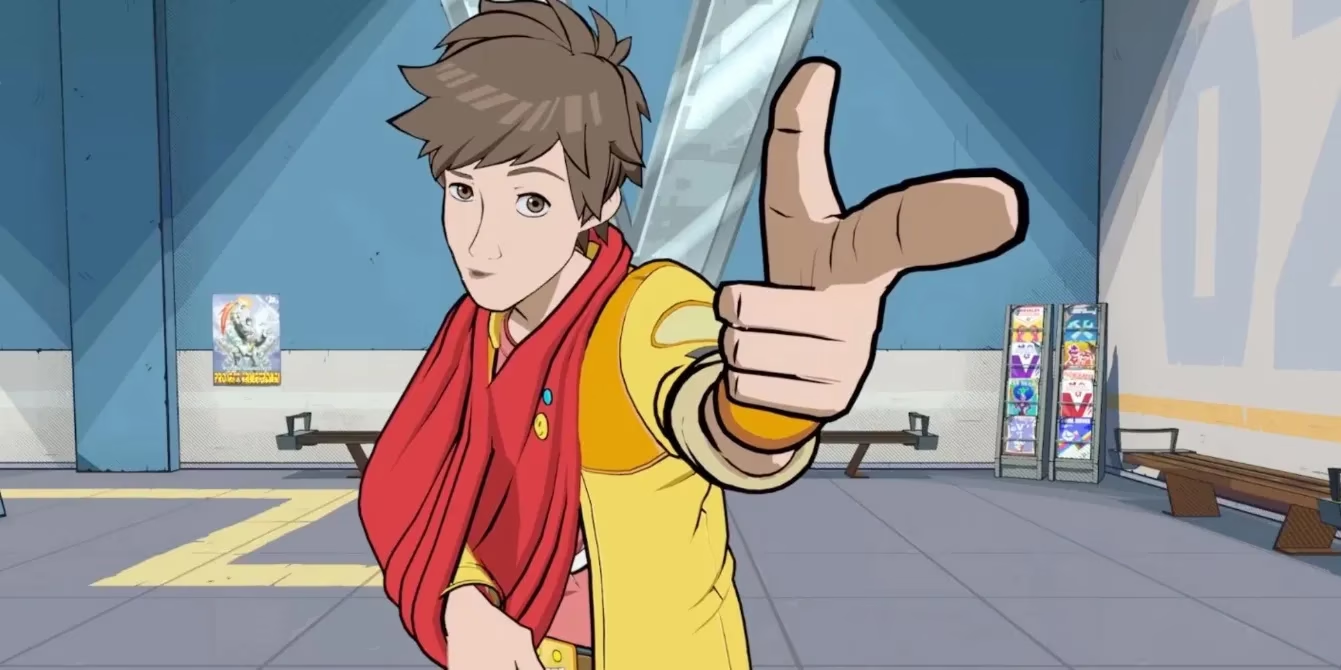
Hi-Fi Rush is a game where every punch, kick, and dodge syncs to the beat, and its original soundtrack by The Glass Pyramids is the engine driving that rhythm. The song that scores the "Rekka" boss fight is a standout masterpiece of this philosophy. It’s an adrenaline-fueled torrent of blunt guitar riffs, a rhythmic electronic pulse, and aggressive vocals that don't just accompany the fight—they become the fight. The thematic lyrics elevate the clash from a simple battle to a dramatic narrative crescendo, making the player feel every hit in time with the music. This track is the game's philosophy in audio form: combat as a concert, and the player as the lead guitarist shredding through enemies.
Wu-Tang in the Sewers: "We Ain't Came To Lose"
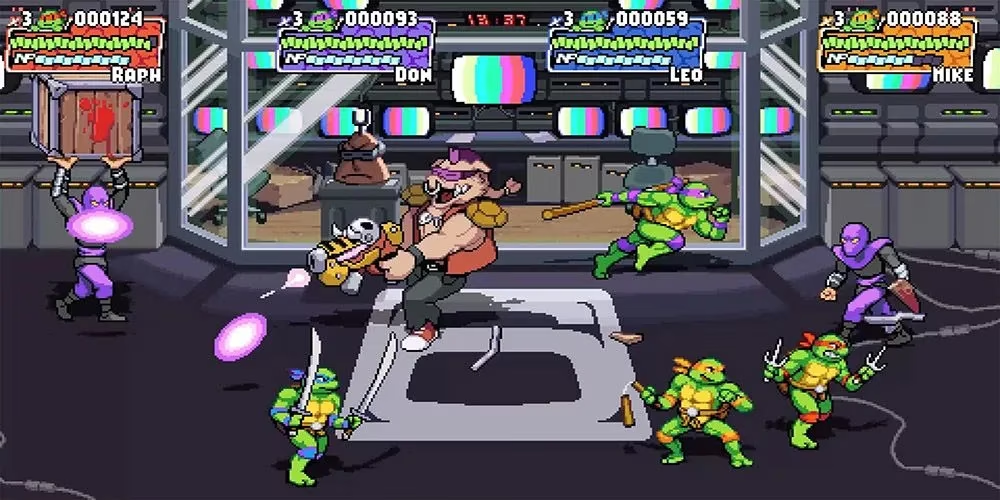
Teenage Mutant Ninja Turtles: Shredder's Revenge is a love letter to retro arcade beat 'em ups, and its soundtrack matches that energy perfectly. The pinnacle is "We Ain't Came To Lose," a track performed by hip-hop legends Raekwon and Ghostface Killah of the Wu-Tang Clan. The song is a non-stop barrage of slick rhymes and relentless beats, packed with clever TMNT references. It’s the perfect audio companion for kicking Foot Clan shell, transforming the pixelated brawling into something effortlessly cool. This track is like injecting pure, uncut '90s attitude directly into the game's veins, proving that the turtles' fight for justice has never had a better hype track.
The Journey's End: "Setting Sail, Coming Home"
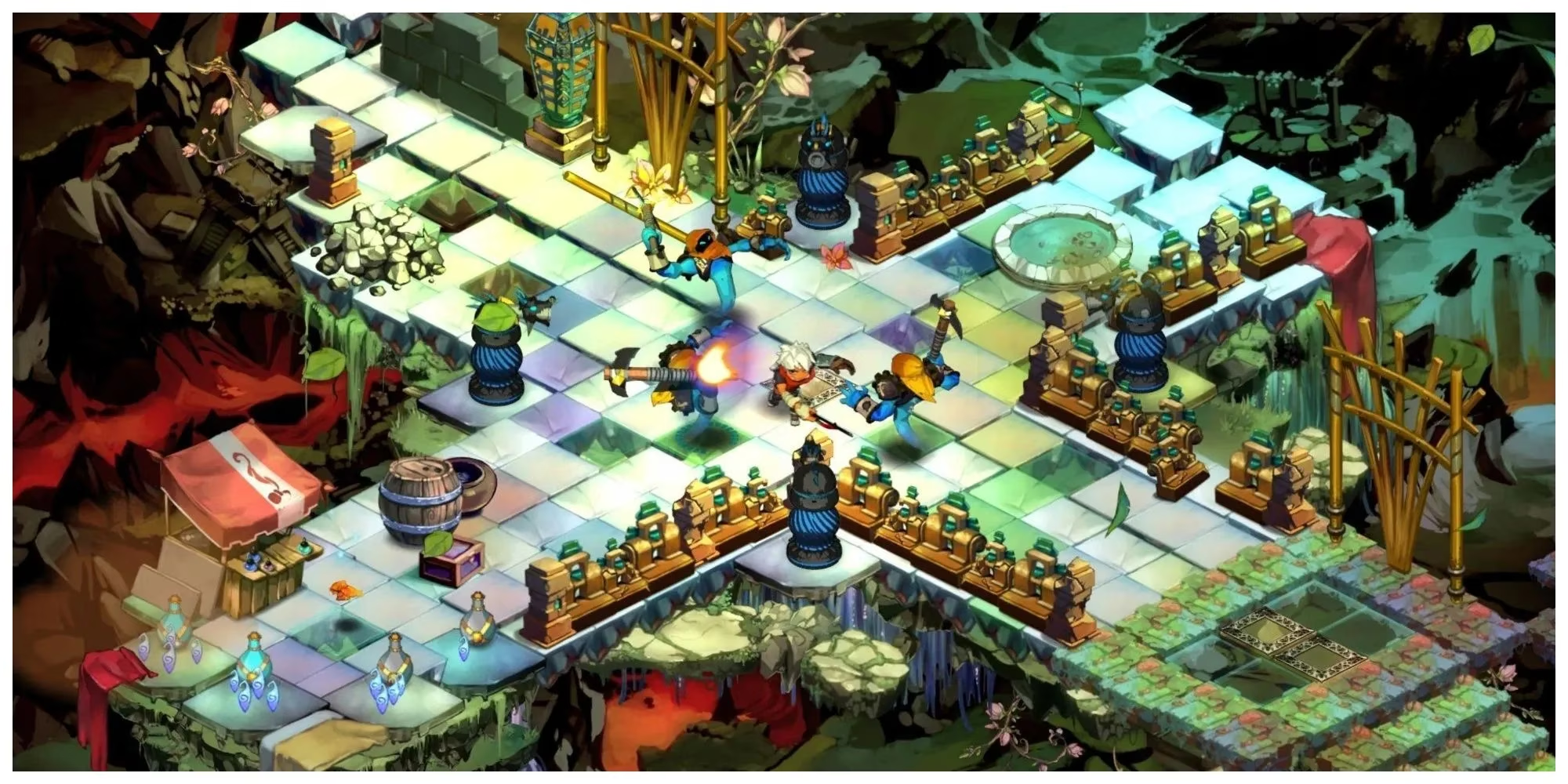
Supergiant Games' Bastion is renowned for its atmospheric storytelling, and its ending theme, "Setting Sail, Coming Home," provides one of gaming's most poignant conclusions. After a long and arduous journey rebuilding a broken world, this song arrives as the perfect emotional release. Performed by Ashley Barrett and Darren Korb, its steady, rolling beat and melancholic, intertwined vocals capture the bittersweet weight of the journey's end—the loss, the hope, and the hard-won peace. It’s a finale that feels less like a credits roll and more like a deep, cathartic sigh, a musical resolution that ties every emotional thread of the narrative into a perfect, somber bow.
A Nu-Metal Legend: "Blow Me Away"
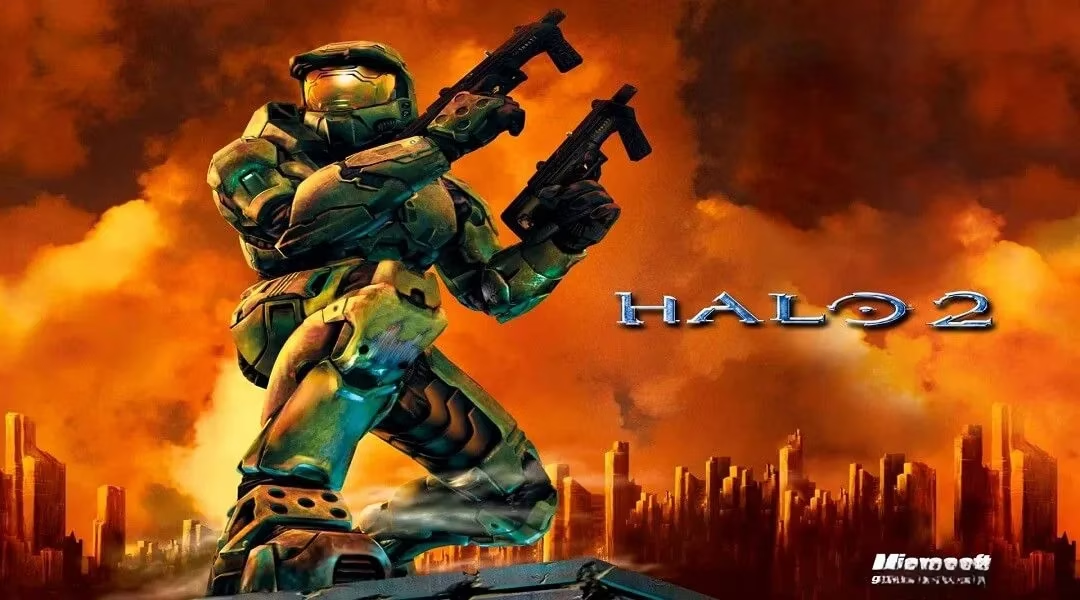
Halo 2 is often hailed as the series' peak, blending epic sci-fi narrative with an iconic soundtrack. While the score is primarily instrumental, one track broke the mold: "Blow Me Away" by Breaking Benjamin. Written specifically for the game, this nu-metal anthem scores a pivotal moment, its driving guitars and aggressive energy perfectly matching the on-screen intensity. Although the full lyrics aren't heard in-game, the track's sheer power and its association with the Master Chief's struggle made it an instant classic. It was a bold fusion that worked, proving that a gritty rock anthem could live in harmony with a sweeping orchestral sci-fi score.
The AI's Ironic Lament: "Still Alive"
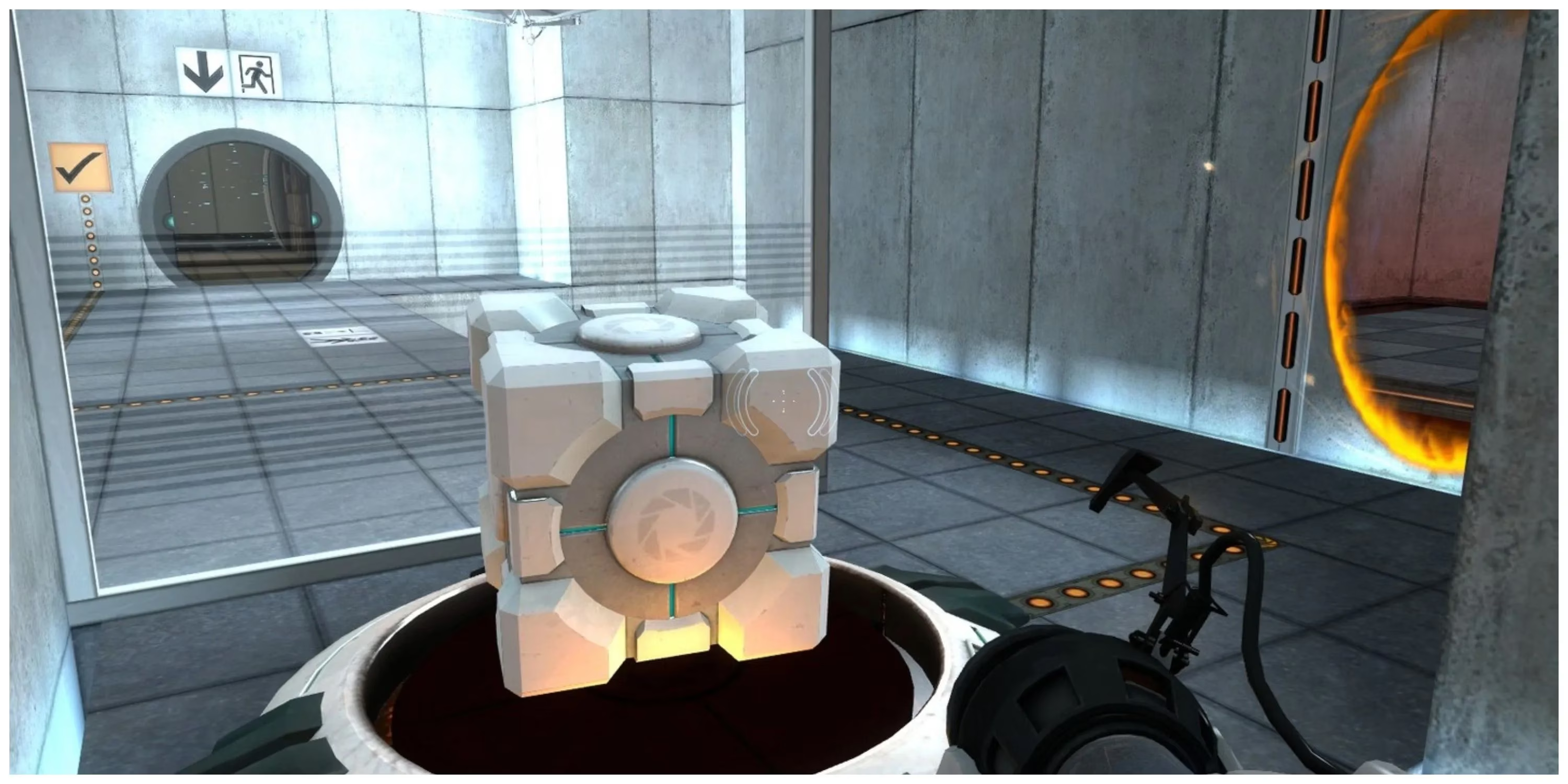
Valve's Portal redefined puzzle games with its dark humor and brilliant antagonist, GLaDOS. The experience culminates with the now-legendary end-credits song, "Still Alive." Written and performed by Jonathan Coulton from GLaDOS's perspective, the song is a masterpiece of ironic, darkly comedic lyrics set to a deceptively cheerful melody. It recaps the player's ordeal with a passive-aggressive smirk, celebrating test subject survival while subtly threatening more. This song didn't just end the game; it defined its unique tone, becoming a cultural touchstone and proving that a game's finale could be hilarious, memorable, and musically brilliant all at once.
The Solemn Ride into Mexico: "Far Away"
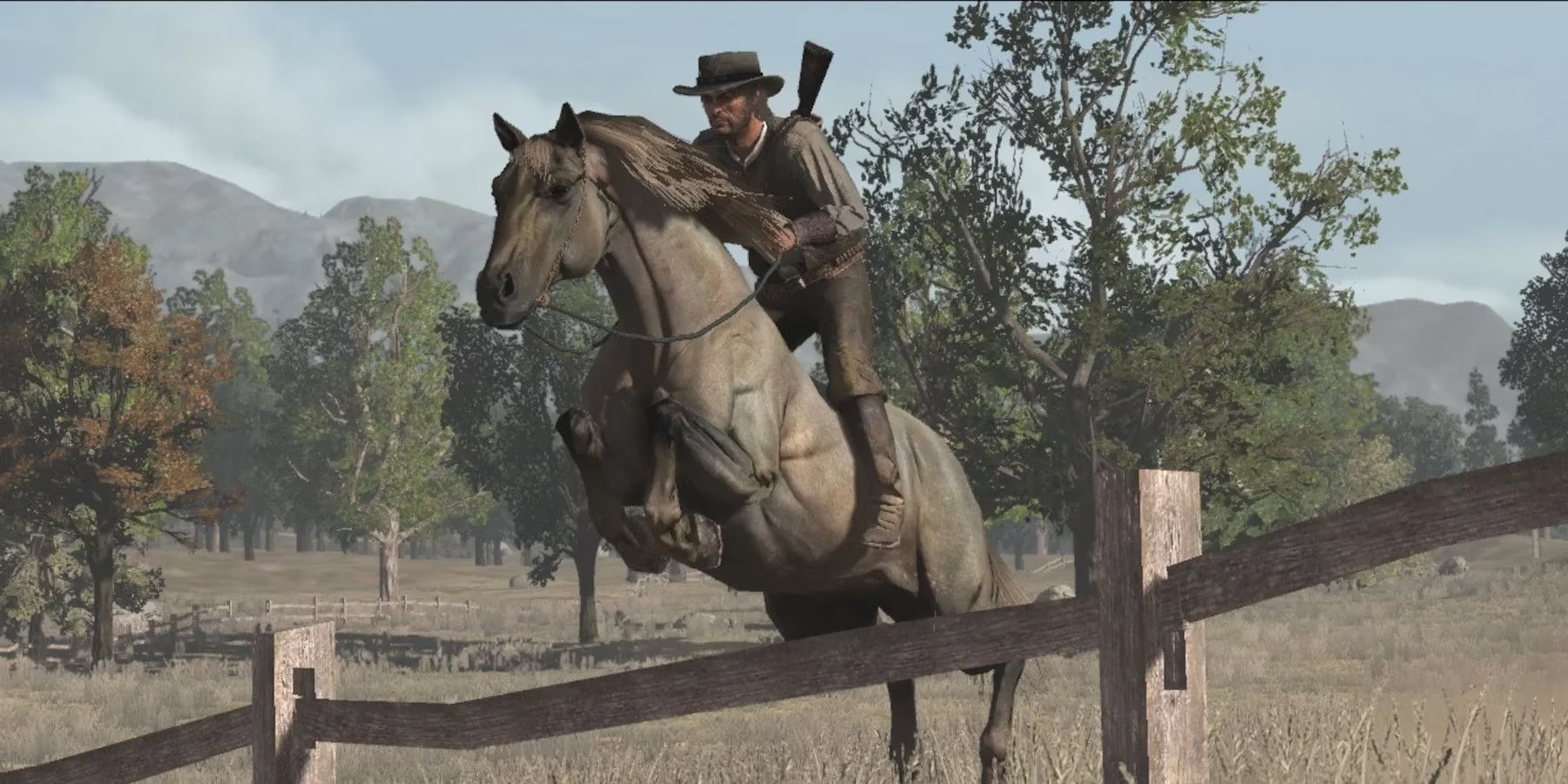
For all the cinematic songs in gaming, few moments are as perfectly staged as the first ride into Mexico in Red Dead Redemption. As John Marston crosses the river, Jose Gonzalez's "Far Away" begins to play. The gentle acoustic strumming and Gonzalez's soft, melancholic vocals completely transform the experience. The open world falls away, and the journey becomes a personal, introspective moment. The lyrics about distance and searching mirror Marston's own quest, making the vast landscape feel both beautiful and lonely. This moment isn't just about entering a new area; it's a narrative soliloquy set to music, a quiet masterpiece of environmental storytelling that remains one of gaming's most iconic audio-visual marriages. 🎵
| Game | Song / Artist | Emotional Core |
|---|---|---|
| Cyberpunk 2077 | SAMURAI (Refused) | Rebellious Fury |
| Metal Gear Solid 3 | "Snake Eater" | Cinematic Grandeur |
| BioShock Infinite | "Will The Circle Be Unbroken" | Haunting Melancholy |
| Dragon Age: Origins | "Leliana's Song" | Solemn Tranquility |
| Hi-Fi Rush | The Glass Pyramids (Rekka Theme) | Adrenaline Rhythm |
| TMNT: Shredder's Revenge | "We Ain't Came To Lose" (Wu-Tang) | Retro Cool |
| Bastion | "Setting Sail, Coming Home" | Bittersweet Catharsis |
| Halo 2 | "Blow Me Away" (Breaking Benjamin) | Epic Intensity |
| Portal | "Still Alive" (Jonathan Coulton) | Ironic Humor |
| Red Dead Redemption | "Far Away" (Jose Gonzalez) | Lonely Introspection |
These songs demonstrate that when lyrics are woven intentionally into a game's fabric, they cease to be mere soundtrack entries. They become vital characters, unforgettable settings, and the emotional keystones of the stories we play. They are the whispered secrets and shouted anthems that ensure our digital adventures resonate long after the console is turned off.
Comments