Video game series need to return to their roots as Battlefield, Paper Mario, and Halo chase the classic magic fans still crave.
In 2026, the video game industry stands at a curious crossroads. Consoles are more powerful than ever, engines can render worlds down to the pores on a character's face, and live-service ecosystems stretch across years. Yet for all the technical marvels, a quiet question keeps echoing through forums and livestreams: what happens when a beloved series forgets the very magic that made it beloved? Metroid Dread proved in 2021 that a return to roots could be triumphant, and Assassin's Creed Mirage showed in 2023 that even massive franchises can shrink back toward their origins. But several storied names still feel like strangers in their own skin. 🎮
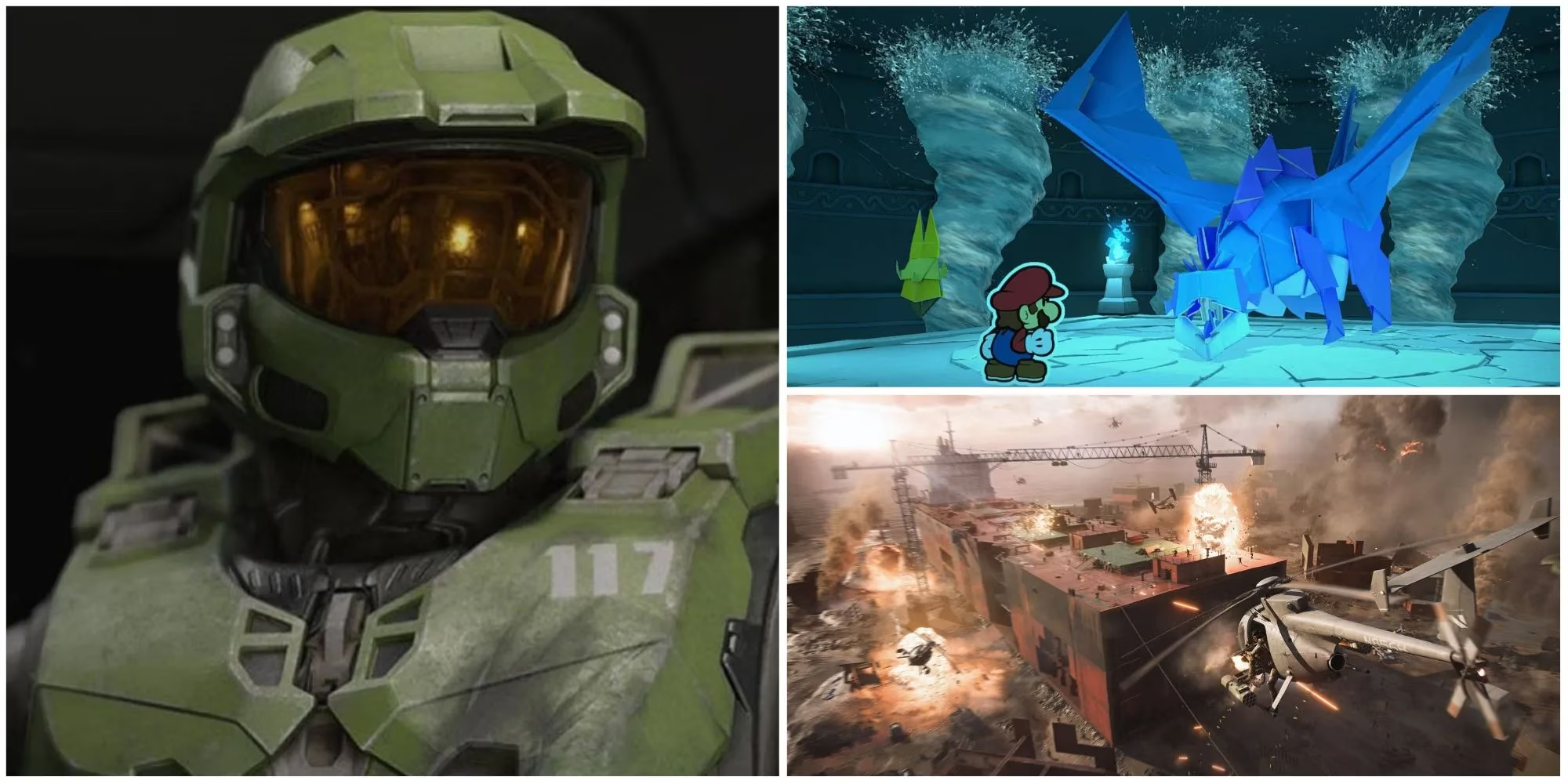
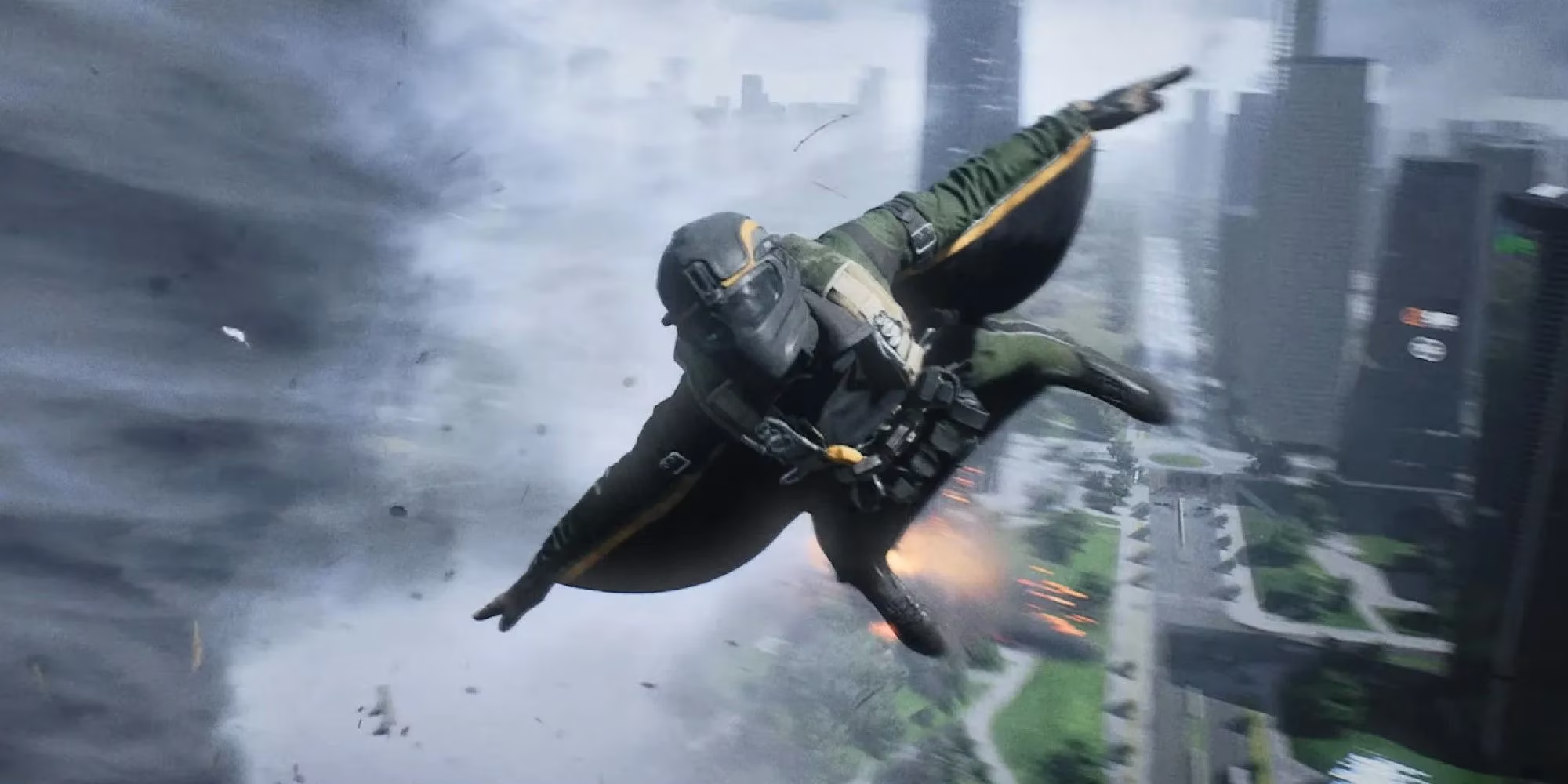
6. Battlefield: The War Against Its Own Identity 🎖️
For years, Battlefield drifted away from the massive team-based gameplay, ultimate scale, and destructibility that once defined it. Specialists, wingsuits, and hero-shooter flavor crept in, chasing trends set by Overwatch and Call of Duty. Battlefield 2042 launched in 2021 and left many fans cold, feeling less like a battlefield and more like a confused playground. By 2025, the next Battlefield entry attempted a course correction, bringing back classes and 64-player battles. But does a return to modern combat automatically restore the chaotic, squad-driven magic of Bad Company 2 or Battlefield 3? Not entirely. Players still crave persistent lobbies, map design that rewards strategy, and destruction that changes the fight in real time. When Battlefield fires on all cylinders, nothing compares. The question is whether the series can stay on target long enough to prove it. 💥
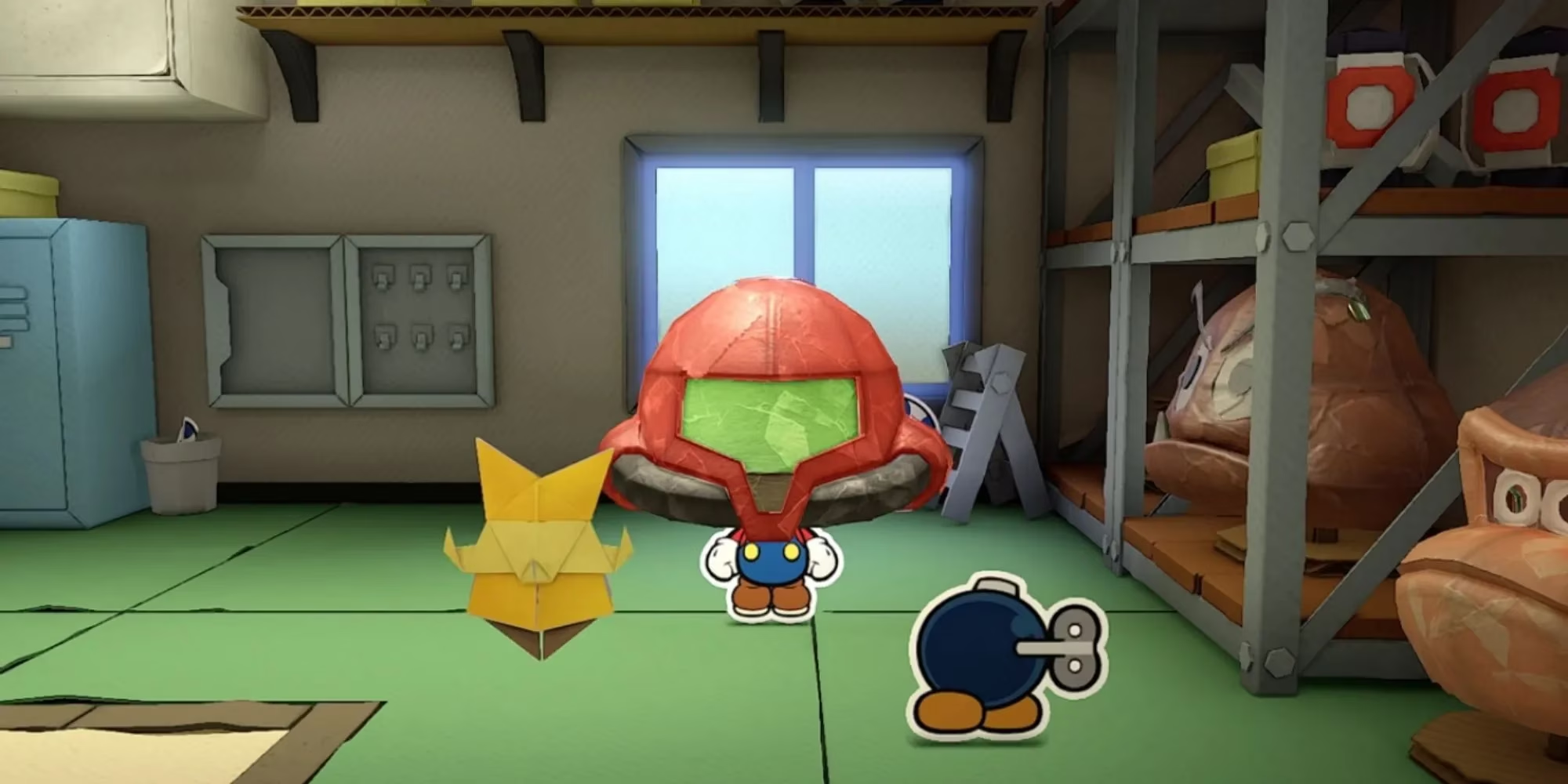
5. Paper Mario: The Thousand-Year Itch 🍄
Paper Mario is a strange case. Paper Mario: The Origami King in 2020 had wonderful writing, hilarious characters, and a visual style that sparkled. Yet the combat and gameplay felt underwhelming, missing the near-perfect turn-based system that made The Thousand-Year Door a classic. The 2024 remake of The Thousand-Year Door proved that audiences still adore the classic formula, and it gave fans hope that Intelligent Systems is finally on the right track. If a new original Paper Mario arrives, it should bring back partners, badges, and strategic turn-based battles. Is it nostalgia, or is it simply a better design? The answer may be both. 🎭
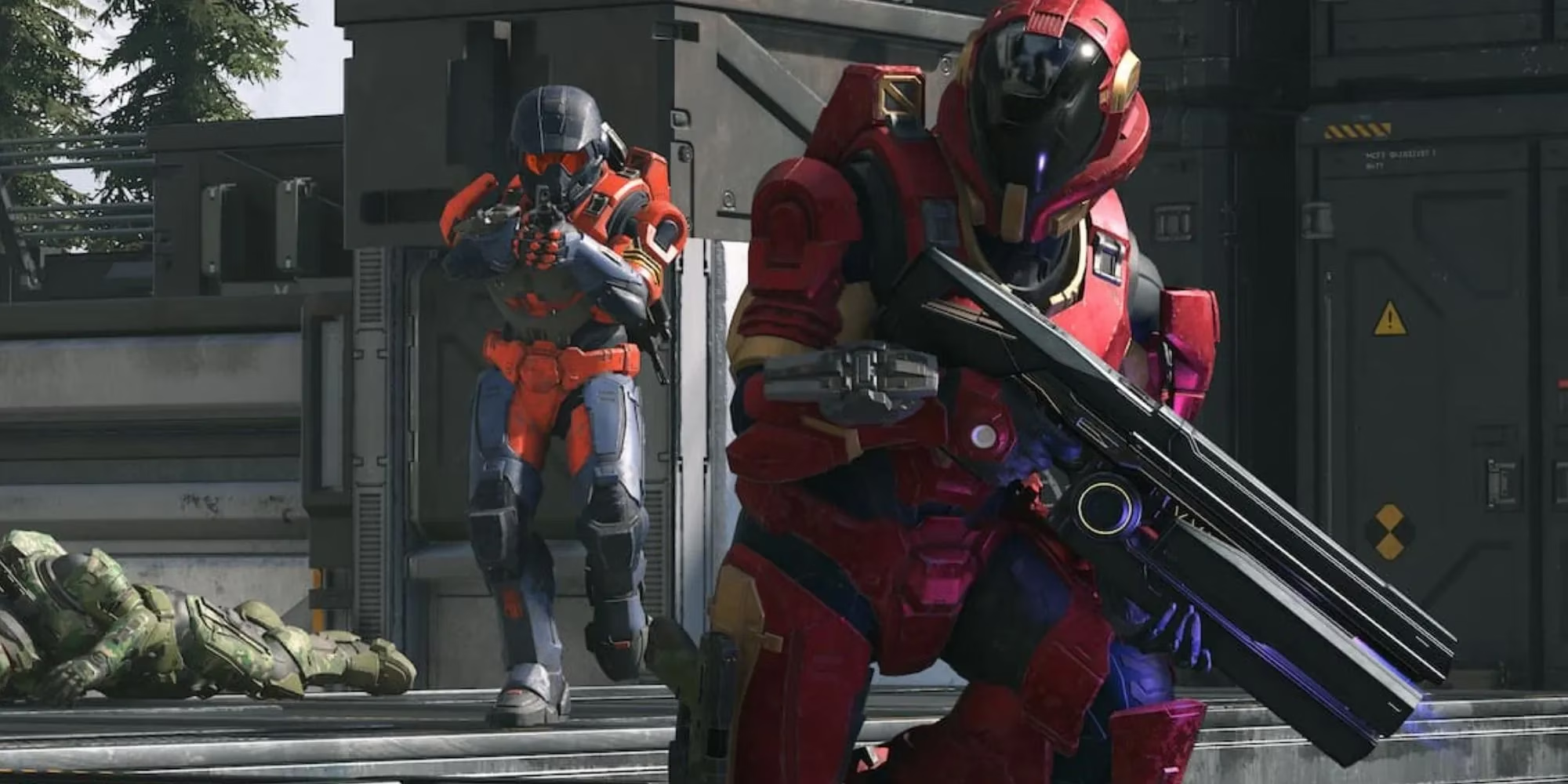
4. Halo: The Social Contract Broken 🛡️
Halo Infinite was supposed to be the triumphant return to the FPS throne, reviving features that had been laid to rest since Bungie left Microsoft after Halo Reach. Instead, by 2026, the social identity of Halo remains fractured. The days of queueing up with randoms after a close match with a single button press, browsing curated modes and maps each week, and earning cool armor through progression are long gone. Halo once pleased both the hardcore competitive crowd and the laidback social crowd. Now both feel burned out. Halo: Campaign Evolved may remake the original, but can a remake fix the social fabric? Without custom games, lobbies, and a sense of community, Halo is just another shooter. The series needs its social soul back. 🎯
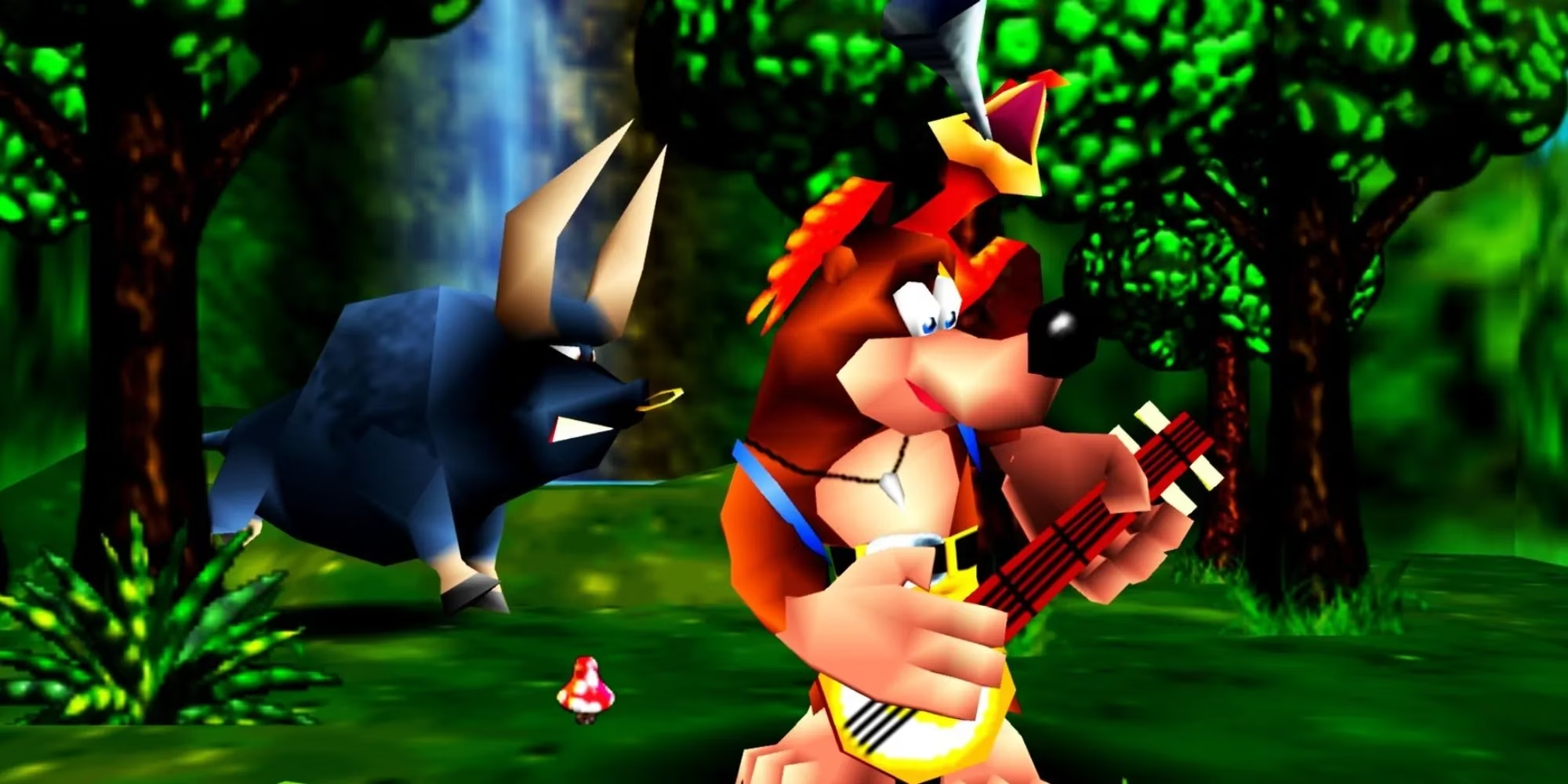
3. Banjo-Kazooie: The Bear and Bird Deserve a Homecoming 🐻🐦
It has been 18 years since Banjo-Kazooie: Nuts & Bolts, and fans still dream of a proper return. Rumors of a comeback persist, but so does the fear of another vehicle-building detour. Banjo-Kazooie and Banjo-Tooie had a unique charm: colorful worlds, witty writing, collect-a-thon joy, and tight 3D platforming. Nuts & Bolts was not a terrible game, but it was not what anyone wanted from the bear and bird. If the franchise ever returns, it must return to its 3D platforming roots. Can it capture the same magic that made Metroid Dread's revival so satisfying? It absolutely can, but only if the developers remember what made players fall in love in the first place. 🧩
2. Final Fantasy: The Turn-Based Question ⚔️
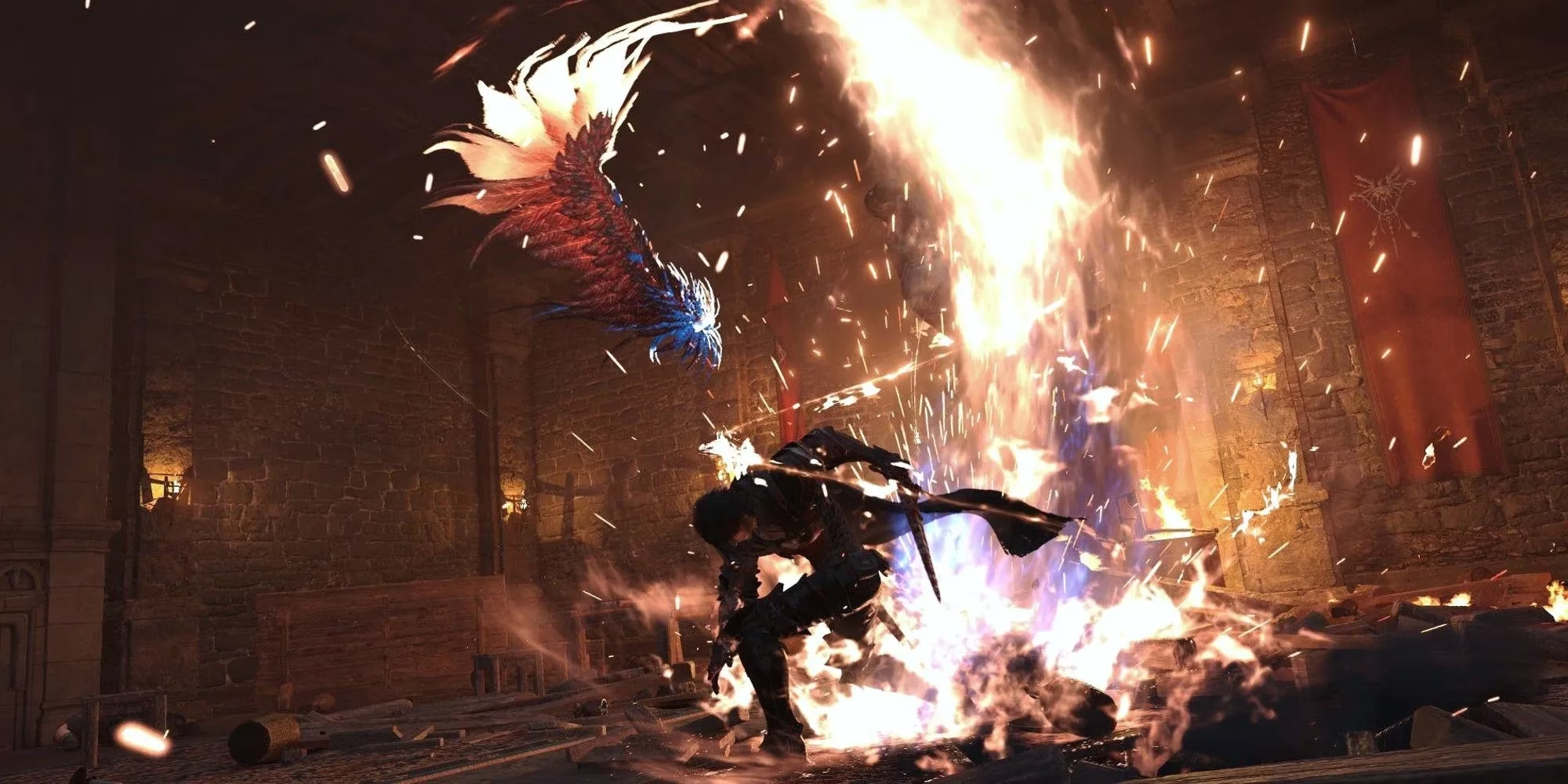
Final Fantasy is thriving in 2026. Final Fantasy 14 remains a juggernaut, the Final Fantasy 7 remake trilogy has redefined modern nostalgia, and Final Fantasy 16 delivered action-packed spectacle. Yet many fans still wonder what a modern turn-based Final Fantasy would look like. The series began with unique fantasy settings, strategic combat, and characters wearing far too many belts. It evolved into action RPGs, and while those games are excellent, a piece of the identity has drifted away. Is turn-based combat truly outdated, or has the industry simply stopped trying to evolve it? A new mainline entry that returns to those roots could be revolutionary, not regressive. The question is whether Square Enix will ever take that risk again. 🔮
1. Splinter Cell: The Shadow That Never Left 🥷
The Splinter Cell remake was announced years ago, and by 2026 it remains one of the most anticipated stealth projects in development. Fans hope it will resemble the original or Chaos Theory, but they also fear another Conviction or Blacklist. Those games were not terrible, but they lacked the pure stealth espionage that defines Splinter Cell. Chaos Theory is still considered the pinnacle of stealth games, with light and shadow mechanics, patient pacing, and unforgettable spy fantasy. Will the remake simply update graphics, or will it remember that silence, observation, and planning are the true weapons? A new Splinter Cell should lean heavily into what made it shine. The shadow is patient. So are the fans. 🌑
.jpg)
The Pattern Behind the Nostalgia 🔍
What do all these series share? They each lost a piece of themselves while chasing a wider audience. Sometimes that chase paid off. Sometimes it broke trust. But the lesson from Metroid Dread and the Thousand-Year Door remake is clear: roots are not chains. They are foundations. A series can modernize without erasing its identity. It can grow without forgetting why it mattered.
| Series | Golden Era | What's Missing in 2026 |
|---|---|---|
| Battlefield | Bad Company 2, Battlefield 3 | Squad play, persistent lobbies, meaningful destruction |
| Paper Mario | Paper Mario 64, The Thousand-Year Door | Turn-based combat, partners, badges |
| Halo | Halo 2, Halo 3, Halo Reach | Social lobbies, custom games, community progression |
| Banjo-Kazooie | Banjo-Kazooie, Banjo-Tooie | 3D platforming, collect-a-thon charm |
| Final Fantasy | Final Fantasy 6 through 10 | Turn-based strategy, distinct fantasy identity |
| Splinter Cell | Chaos Theory | Pure stealth, light and shadow, espionage pacing |
In 2026, the question is not whether these series can return. It is whether they will remember that a comeback is not about copying the past. It is about honoring the feeling the past created. Players do not want museum pieces. They want new adventures that understand the old heartbeat. And if these franchises can find that pulse again, the results could be legendary. 🌟
Comments