Xbox Series X exclusives like Halo Infinite and Redfall have delivered profound disappointment, failing to become the must-play console-defining experiences fans expected.
It's 2026, and as I look back at my Xbox Series X, I can't help but reflect on the rollercoaster journey of its exclusive titles. The console that promised so much has often left me, and many others, feeling a profound sense of disappointment. My experience began with the immense hype surrounding Halo Infinite, a title that was supposed to herald a new golden age for Xbox. Instead, its launch in 2021 felt like a premature celebration. The game arrived with a fragmented release—multiplayer went free-to-play, which was exciting, but the campaign felt like a separate, almost skeletal entity. The initial offering was so bare-bones, missing classic features and modes that were staples of the franchise. It relied on a live-service model that promised to drip-feed content over months, but by the time those updates arrived, the community's patience had worn thin. The spark that should have ignited a lasting fire fizzled out, leaving a lingering sense of what could have been.
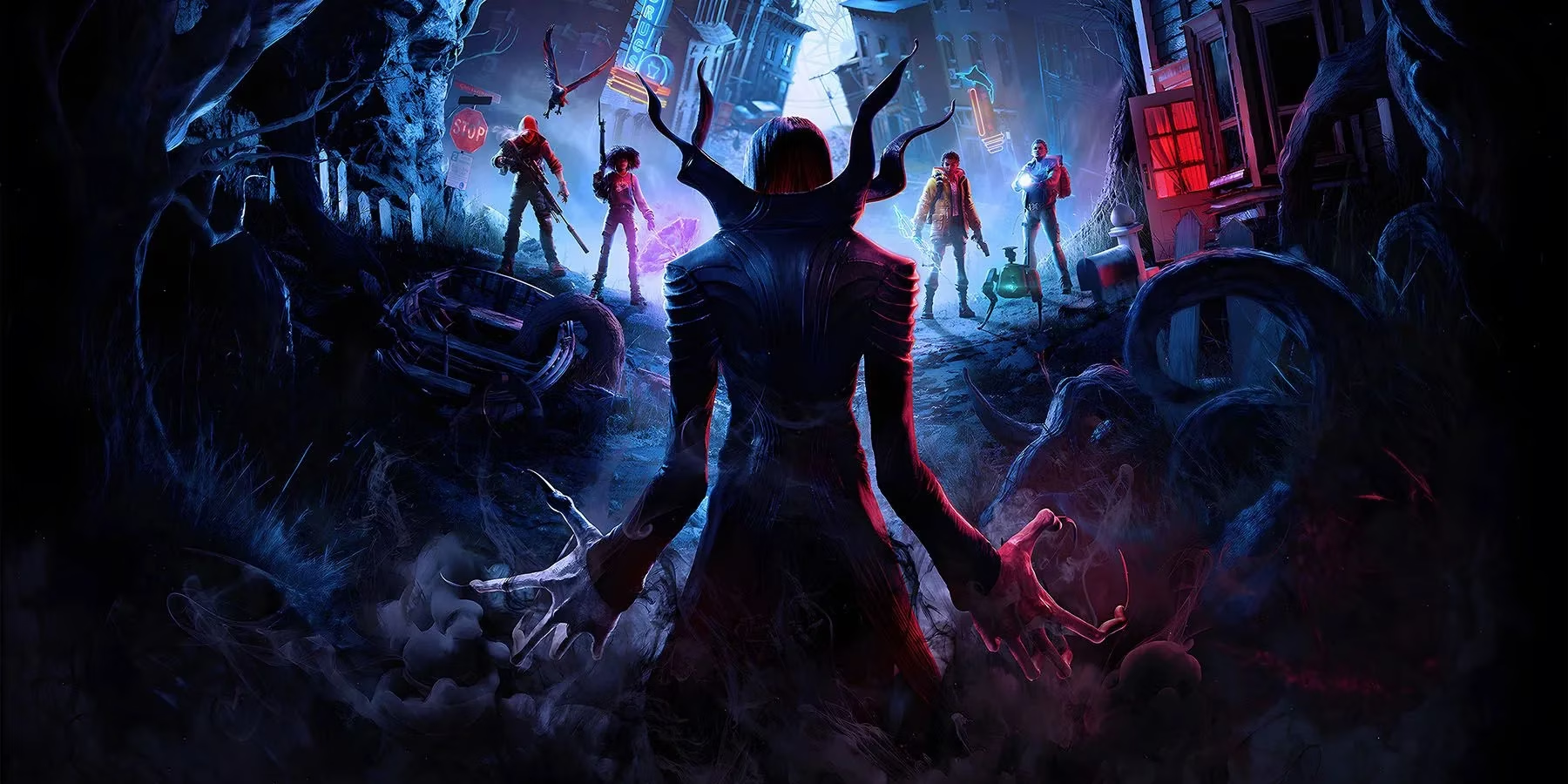
Then came Redfall. Oh, Redfall. As a fan of Arkane Studios' previous masterpieces like Dishonored, my expectations were sky-high. The trailers painted a picture of a stylish, co-op vampire-hunting adventure. But when I finally booted it up in 2023, the reality was a gut punch. The game was plagued with technical woes—glitches, performance hiccups, and a baffling 30 FPS lock on the powerful Series X. Beyond the bugs, the core design felt undercooked. The enemy AI was simplistic, often standing around waiting to be shot. The world, while aesthetically interesting, felt empty and poorly laid out. The lack of proper matchmaking for its co-op focus was a glaring omission. It felt like a game released years too early, a shell of what it was meant to be. The parallels to Halo Infinite's launch were uncanny and deeply worrying. It wasn't just a bad game; it was a symbol of a recurring problem.
These back-to-back disappointments created a palpable sense of crisis in the Xbox community. The conversation wasn't just about these individual games anymore; it was about a pattern. When compared to the steady stream of polished, system-selling exclusives on the PS5, my Xbox often felt like a Game Pass machine—incredible for value, but lacking that flagship, must-play experience that defines a console generation. The subscription service is a phenomenal deal, but it can't fully compensate for the absence of a cultural phenomenon exclusive to your hardware.
The Lingering Shadow and the Glimmer of Hope
The failures of Halo Infinite and Redfall set a dangerous precedent and raised enormous questions about Microsoft's internal processes and its "release now, fix later" approach, seemingly influenced by broader industry trends. It felt like we, the players, were becoming unpaid beta testers for games that needed another year in the oven. This environment cast a long, anxious shadow over the next big hope: Starfield.
Bethesda's track record with launch-day bugs is legendary, and Redfall joining that infamous club did not inspire confidence. The weight on Starfield's shoulders became immense. It wasn't just expected to be a good game; it was tasked with single-handedly restoring faith in the Xbox exclusive lineup, justifying the console's existence, and getting the entire platform "back on track." The pressure was, and frankly still is, astronomical.
Looking Forward: Lessons for the Future
As we sit here in 2026, the lessons from this era are clear. For upcoming titles like Avowed, Fable, and The Elder Scrolls VI, the path to success is narrow but evident:
-
Polish Over Haste: These games need the full development time they deserve. Rushing to meet a fiscal quarter deadline is a recipe for another Redfall.
-
Content-Rich Launches: They must launch feature-complete. A live-service model should enhance an already robust game, not be a crutch for missing core content.
-
Technical Excellence: A stable, high-performance launch on both Series X and S is non-negotiable. The 30 FPS debate should be a relic of the past.
-
Defining Identity: Each game needs a strong, unique hook that makes it an essential experience you can't get anywhere else.
The industry's shift towards early-access and perpetual updates is a challenging tide to swim against. However, for Xbox to truly compete and win back the trust of core gamers like myself, its first-party studios must resist the temptation to release unfinished products. The foundation of a great exclusive is a great finished game at launch. Halo Infinite's successor, whenever it arrives, needs to be jam-packed with content, passion, and polish right out the gate. The memory of logging into a barren multiplayer menu or exploring Redfall's lifeless streets is still fresh. The next time I boot up a major Xbox exclusive, I need to feel that magic, that confidence, that this is the defining experience I bought the console for. The potential is there—the studios, the IPs, the hardware. Now, it's all about execution. The future of Xbox exclusives hinges on learning from the painful missteps of the recent past.
Comments