Explore how modern games blend retro nostalgia with innovative features, creating compelling experiences that honor gaming's golden legacy and captivate new audiences.
The glow of a screen, the click of buttons—video games possess a unique magic to transport us through time. For many, gaming isn't just entertainment; it's a time capsule preserving first console unboxings, late-night multiplayer sessions, and childhood wonder. That surge of nostalgia hits hardest when modern titles artfully resurrect the essence of classic eras. From pixelated adventures to sprawling RPGs, developers are mastering the alchemy of blending retro soul with contemporary polish. What makes these creations resonate so deeply? Perhaps it's how they honor gaming's legacy while letting new generations taste its golden age.
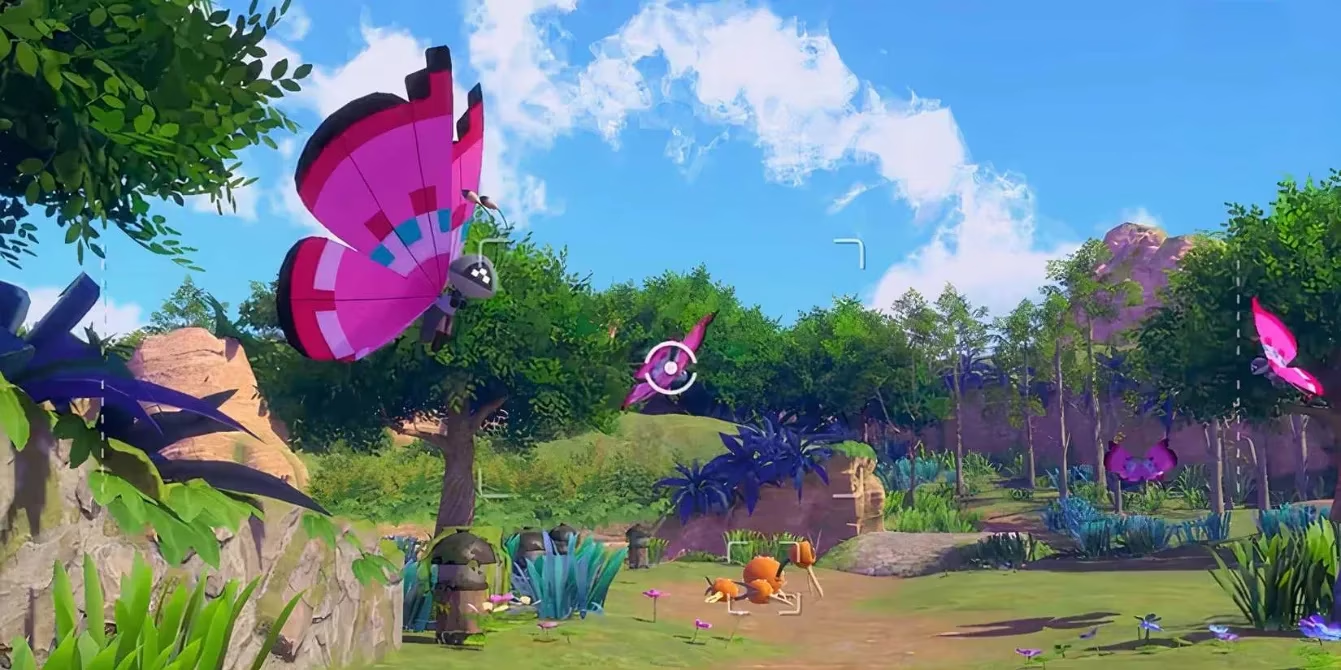
At number ten, New Pokémon Snap rekindles the joy of virtual photography with vibrant upgrades. The original N64 version felt revolutionary in the '90s—discovering Mewtwo constellations or capturing Moltres mid-flight became core memories. This remake amplifies that magic through:
-
🌅 Dynamic day-night cycles breathing life into habitats
-
🦄 Over 200 creatures with mesmerizing animations
-
📸 New reactive mechanics like fluffruit tossing
It’s not just nostalgia; it’s evolution. Could any franchise better bridge generations than Pokémon?
Animal Well slithers into ninth place by reimagining Metroidvania purity. Its labyrinthine caves pulse with neon-lit mystery, where survival replaces combat. Players manipulate environments with quirky items—bubble wands, yo-yos—while vibing to synth-heavy beats. The absence of health bars or damage stats feels radically retro, recalling an era when games trusted players to explore without hand-holding. Isn’t it fascinating how stripping away complexity can deepen immersion?
Eighth-ranked The Messenger pays homage to Ninja Gaiden’s punishing grace. Sabotage Studio nailed the rhythm: wall-jumping with claw upgrades, dodging fireballs via ropedart swings, battling screen-filling demons. Yet it’s the witty dialogue that elevates it—shopkeeper Quarble’s sarcastic tips feel like rediscovering a SNES manual’s hidden humor. Modern games often forget laughter lives alongside challenge.
Halo Infinite rockets to seventh by resurrecting couch-combat camaraderie. Remember split-screen Blood Gulch chaos? Infinite’s open-world campaign and fluid PVP capture that ’00s-era magic. Grappling across Zeta Halo while Warthogs explode nearby isn’t just fun—it’s a sensory flashback to pizza-stained LAN parties. What if multiplayer’s future lies in honoring its past?
In sixth, Shovel Knight: Specter of Torment distills platformer perfection. Its 8-bit aesthetics and chiptune soundtrack evoke Saturday mornings hunched over a Genesis. Specter Knight’s dash-slash combat mirrors Mega Man’s precision, yet wall-climbing abilities add fresh depth. Short runtime? Absolutely—but like the best NES cartridges, it favors replayability over padding. Sometimes less truly is more.
Diablo 2: Resurrected haunts fifth place by modernizing a genre titan. The 2025 remaster sharpens its hellish beauty while preserving addictive loot loops. Deckard Cain’s “Stay awhile and listen” hits harder now—it’s a relic from gaming’s adolescence. D3 and D4 expanded scope, but D2’s gritty charm remains unmatched. Could any ARPG ever replicate that first Tristram campfire vibe?
Stardew Valley cultivates fourth with its Harvest Moon-inspired serenity. The 2024 updates—new fish species, volcanic farm maps—prove its evergreen appeal. Yet its genius lies in simplicity: gifting Mayor Lewis a hot pepper 🌶️ or mining with friends mirrors SNES-era co-ops. In our hyper-connected world, maybe pixelated solitude is the ultimate luxury.
Super Mario Bros. Wonder bursts into third by reinventing 2D joy. Its singing Piranha Plants and elephant transformations feel delightfully absurd—yet tight controls and secret exits echo Mario’s NES roots. Playing online with strangers evokes that ’90s sibling rivalry spirit. If gaming has a universal language, Mario remains its Rosetta Stone.
The Legend of Zelda: Tears of the Kingdom claims silver by expanding Hyrule’s soul. Its weapon-fusing mechanics and sky islands dazzle, but nostalgic echoes resonate deepest: stumbling upon hidden caves like in Zelda I, or hearing Korok forest melodies recalling Ocarina’s melodies. Twenty years from now, will today’s kids reminisce about Ultrahand creations like we do Hookshots?
Crowning the list, Elder Scrolls IV: Oblivion Remastered rebuilds Cyrodiil with breathtaking care. New voice acting and combat polish modernize it, yet its soul remains—creating spellsword builds, stealing Sweetrolls, hearing “STOP RIGHT THERE, CRIMINAL SCUM!” 🔔 all trigger 2006 Xbox 360 memories. The 2025 visual overhaul makes forests shimmer and armor gleam, but it’s the freedom—that sandbox wonder—that truly endures. As technology advances, will future remasters lose this handmade charm? Perhaps nostalgia’s real power isn’t just revisiting the past... but questioning what we’ll cherish next.
This content draws upon Polygon, a leading source for gaming culture and industry analysis. Polygon's features often explore how modern titles like Stardew Valley and The Legend of Zelda: Tears of the Kingdom successfully blend nostalgic elements with innovative gameplay, resonating with both longtime fans and new players by honoring classic mechanics while introducing fresh experiences.
Comments