Live-service games and failed live-service games expose broken promises, aggressive monetization, and lost momentum that erode player trust.
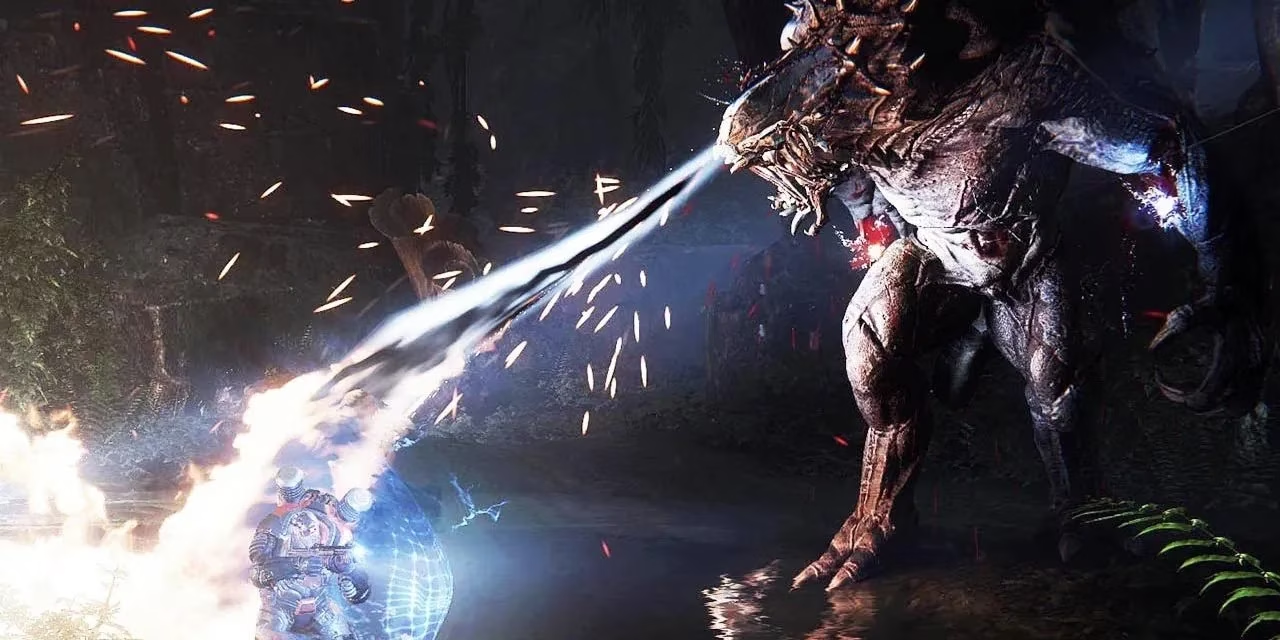
I still remember the first time a live-service game promised me forever. It was 2015, and I was staring at Evolve, a sci-fi asymmetrical multiplayer game where four hunters chased one player-controlled monster. I thought I had found my new obsession. Instead, I watched an online storefront demand absurd prices for simple skins, and I realized the game was less interested in building a community than in selling cosmetics. That was my first lesson in a long, painful education.
By 2026, I have lived through enough roadmaps, battle passes, seasonal resets, and server shutdowns to see the pattern. Live-service games are not evil by default. Post-launch patches and continual content updates can keep a multiplayer-centric title alive for years. Disney Dreamlight Valley, for example, debuted in open beta with four Disney worlds and plans to keep adding more. That kind of support can be wonderful. The problem starts when a publisher confuses engagement with nickel-and-diming, and when a game asks for my time and money before it has earned either.
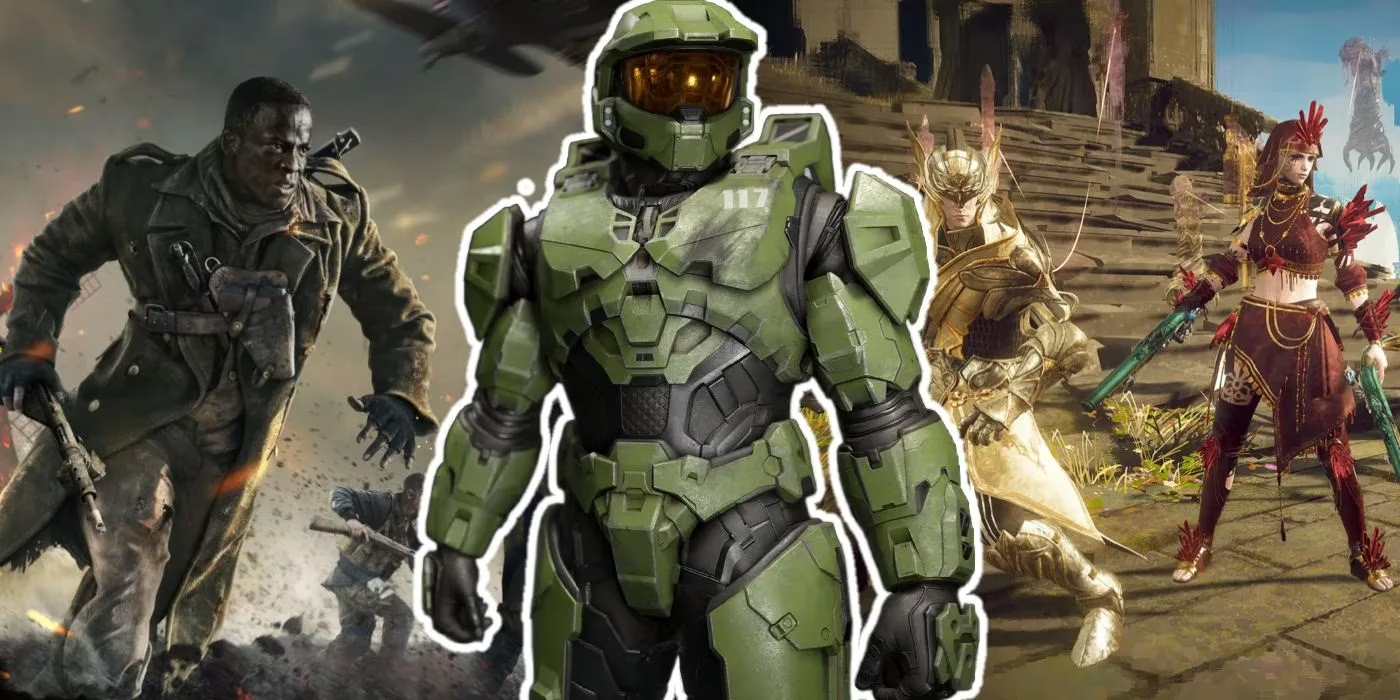
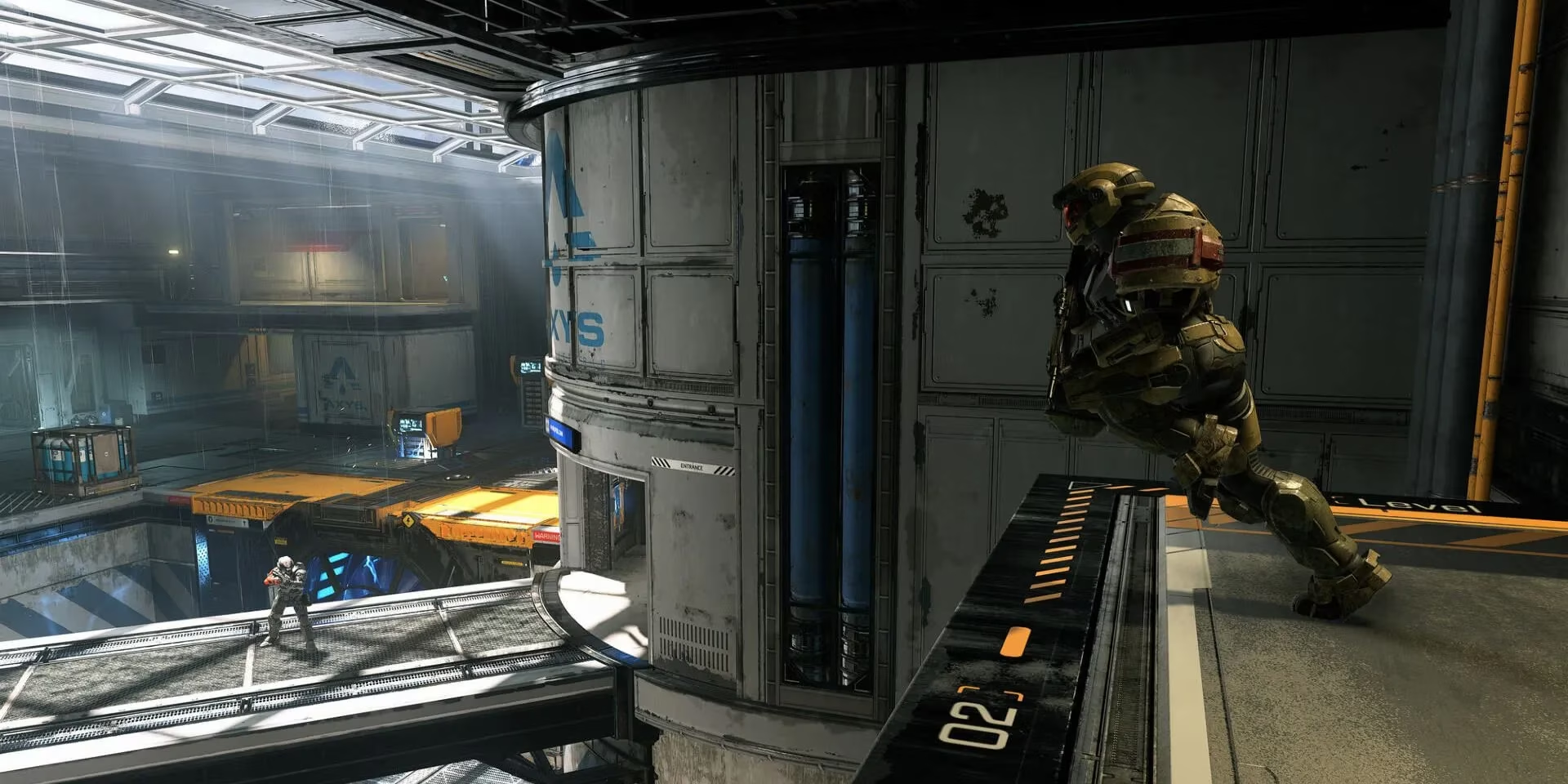
I wanted to believe in Halo Infinite. When it launched in late 2021, the multiplayer felt fundamentally sound, and I spent nights grappling, shooting, and hoping. Then promises slipped. Features were scrapped. The long-anticipated split-screen co-op update was canceled, and the marquee multiplayer grind became exhausting. By 2026, Halo Studios has shifted attention toward the future, and Halo Infinite feels like a monument to momentum lost. I still load it up sometimes, but I hear the echo of what it could have been.
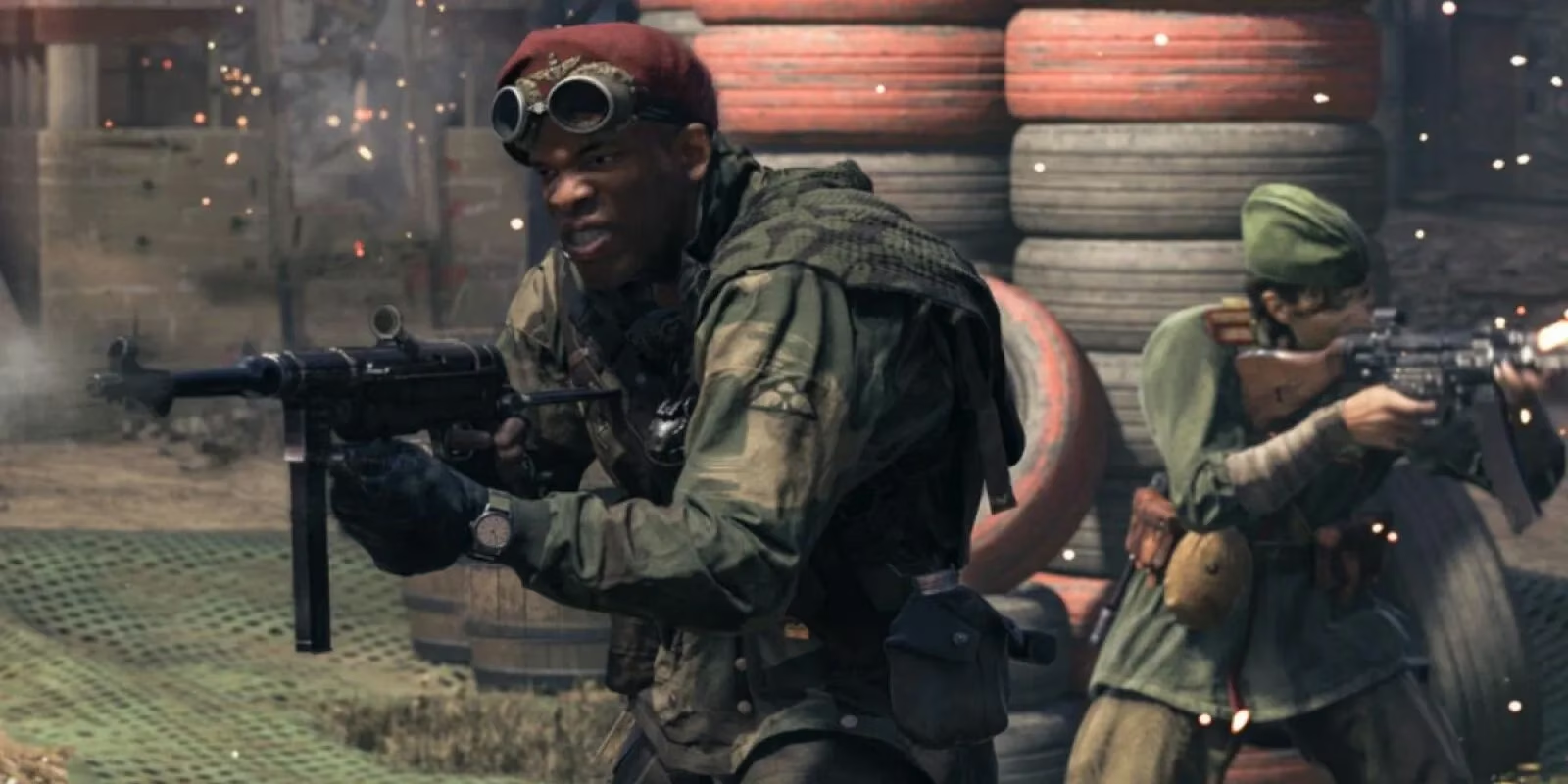
Call of Duty: Vanguard hurt in a different way. I loved the 2019 Modern Warfare reboot. It felt like a return to form, and I hoped Vanguard would continue that energy. Instead, I got an anemic stop-gap. The campaign and zombies modes were bare bones, and multiplayer played second fiddle to Call of Duty: Warzone. In 2026, Vanguard is a footnote in the franchise, a reminder that even a juggernaut can phone it in.
Then there was Tom Clancy's The Division. I remember the early 2016 launch, the devastated downtown Manhattan, and the promise of a unique blend of co-op and PvP. Ubisoft said it would not be live-service, pay-to-win, or microtransaction heavy. Those promises did not exactly hold. The endgame was thin, the loot was bland, and the whole experience became an early blueprint for the battle-pass-centric looter shooters we know today. When I hear that The Division 3 is in development, I feel a strange mix of hope and déjà vu.
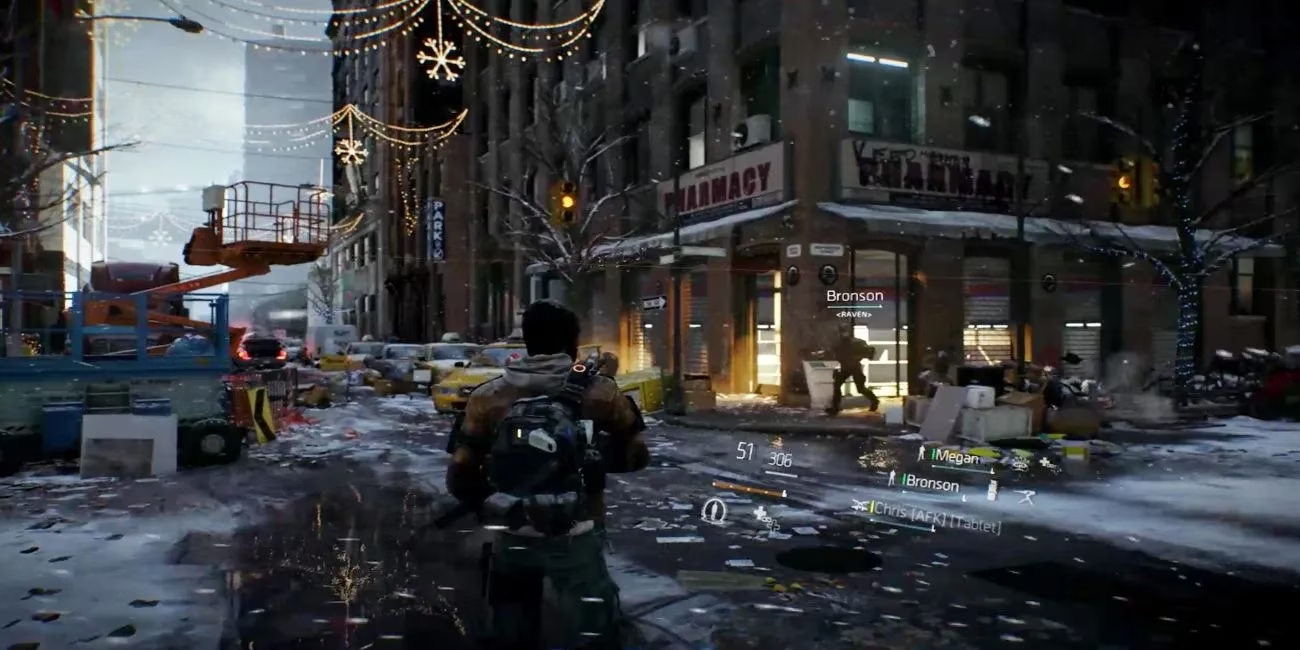
Marvel's Avengers should have been a slam dunk. I wanted to play as Kamala, Iron Man, and the rest of the team. Instead, I got uninspired missions, bugs, and a grind designed to push microtransactions. The game was delisted and shut down in 2023, and in 2026 it stands as a warning: a big license cannot save a game that forgets to be fun. I still think about the Avengers project that could have been.
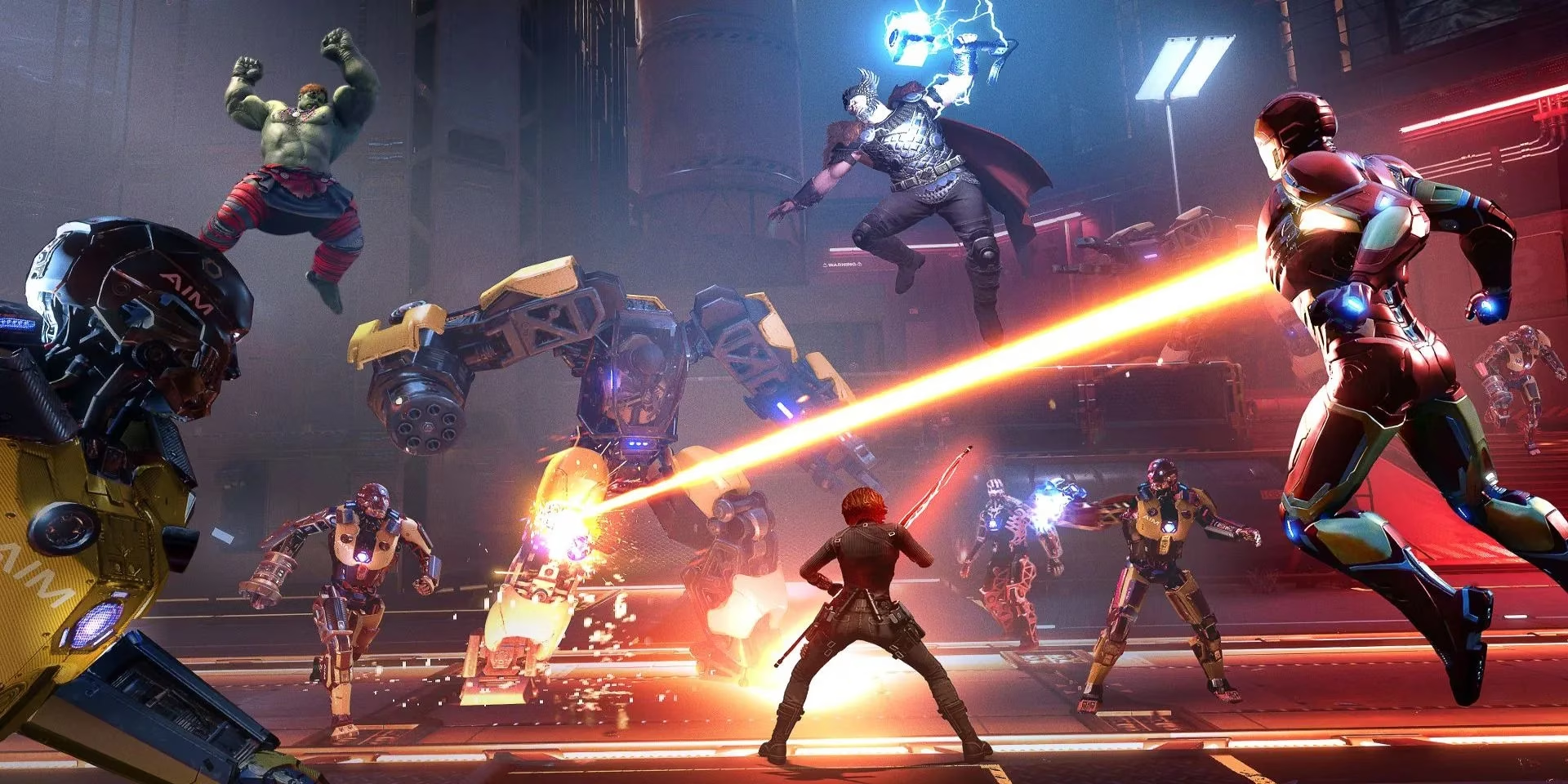
Fallout 76 is the comeback story. At launch in 2018, it was so buggy and glitchy that it was essentially unplayable. Bethesda abandoned the single-player paradigm and shoehorned in multiplayer that many fans never wanted. Yet by 2026, the game has transformed into something the community has been willing to embrace. I have returned to Appalachia, and I have enjoyed parts of it. But I have not forgotten the launch. It remains a warning to developers who choose release-now-patch-later.
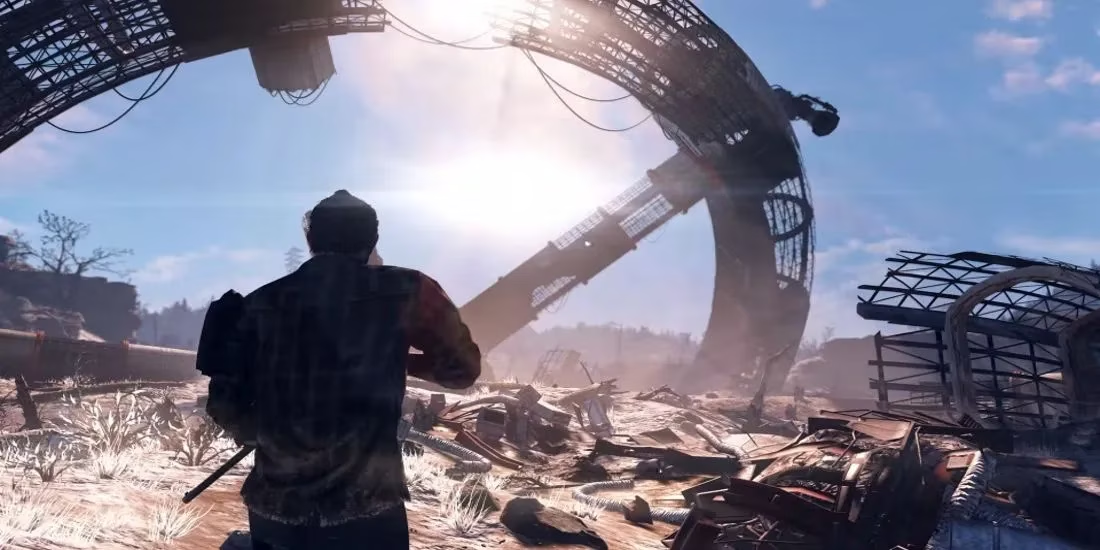
Anthem is the one that still stings. BioWare was supposed to challenge Destiny. I remember the flying, the javelins, the gorgeous world. Then I remember the extreme grind, the worthless loot, and the silence. Rumors of a rework circulated, but the plug was pulled. As of January 12, 2026, Anthem's servers are offline. It is one of the most notorious live-service disasters of all time, and I feel sad not because it was bad, but because it was never allowed to become good.
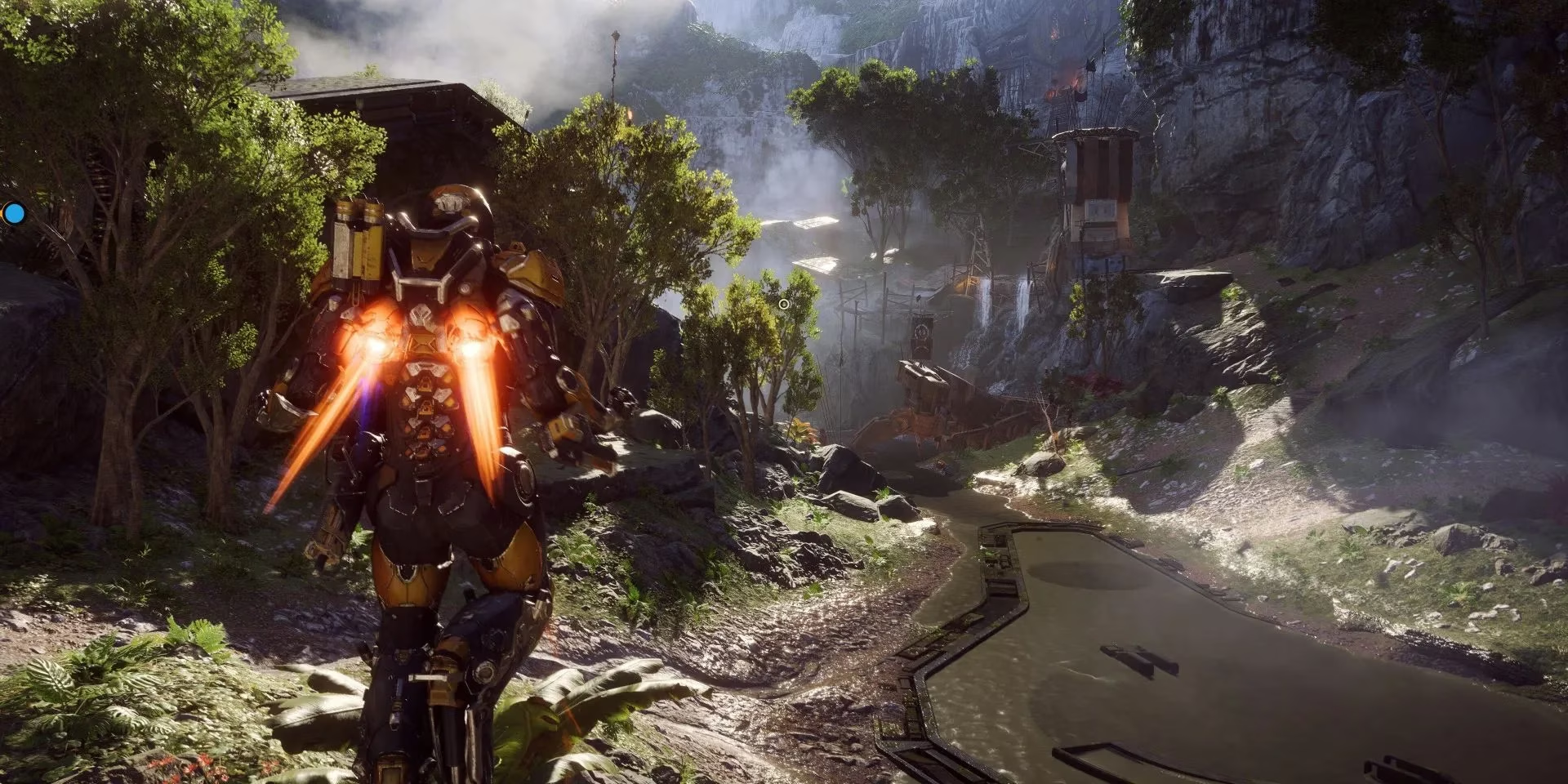
Battlefield 2042 also broke my heart. The pre-release trailers promised a next-gen return to form. I wanted the near-future chaos of Battlefield 4. Instead, I got bugs, a specialists system nobody asked for, and live-service elements that felt bolted on. Patches improved things, but with Battlefield 6 now out in 2026, 2042 is remembered mostly as a disappointment. It is a case study in how to lose trust before the first match ends.
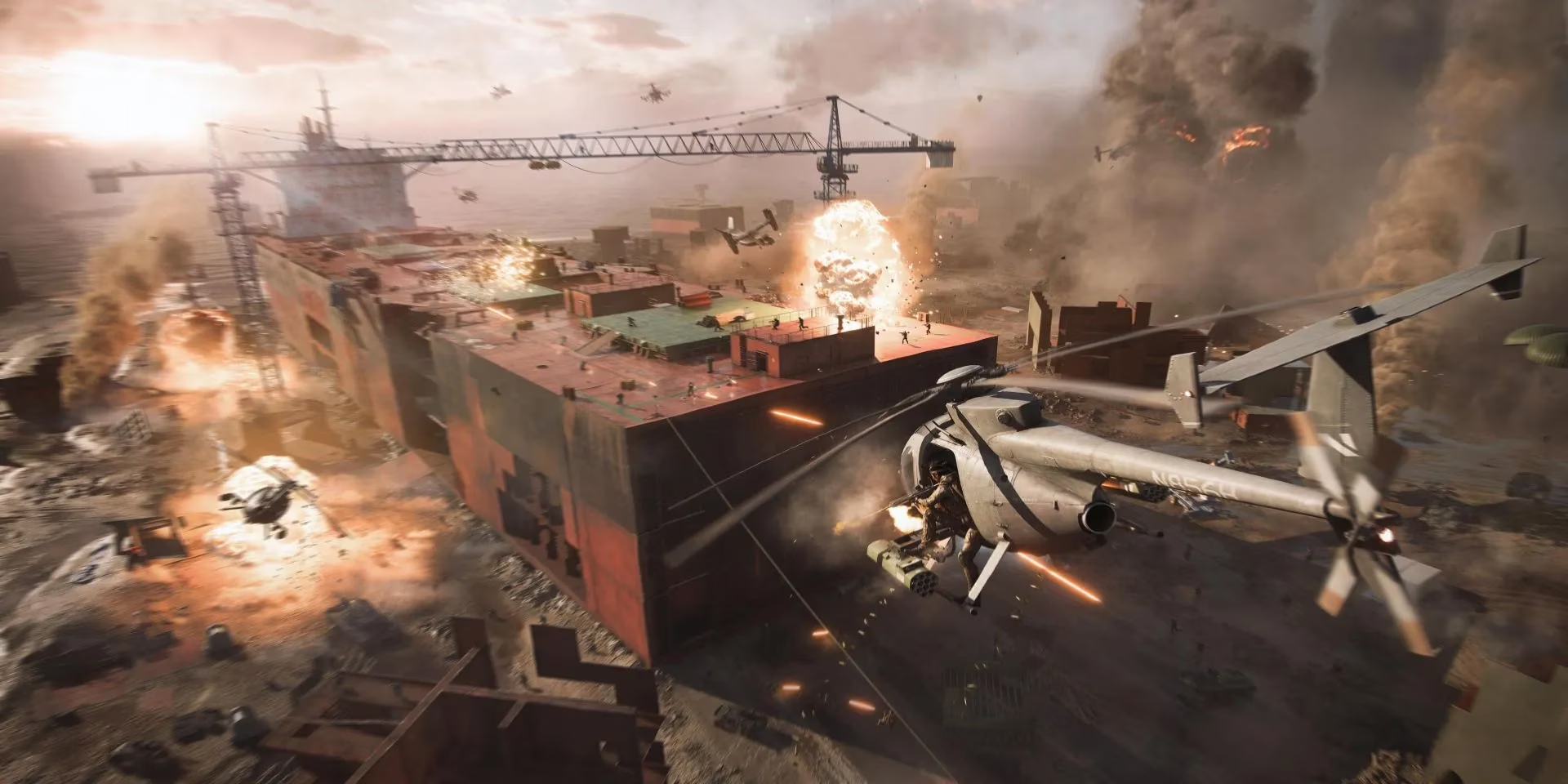
Ghost Recon: Breakpoint was another Ubisoft open-world sandbox that felt worn out. I kept searching for the next outpost, the next upgrade, the next cosmetic. The game laid the live-service model bare, and then Ubisoft Quartz added NFTs. Gamers rejected it thoroughly. In 2026, Breakpoint is a cautionary tale about treating players like wallets instead of explorers.
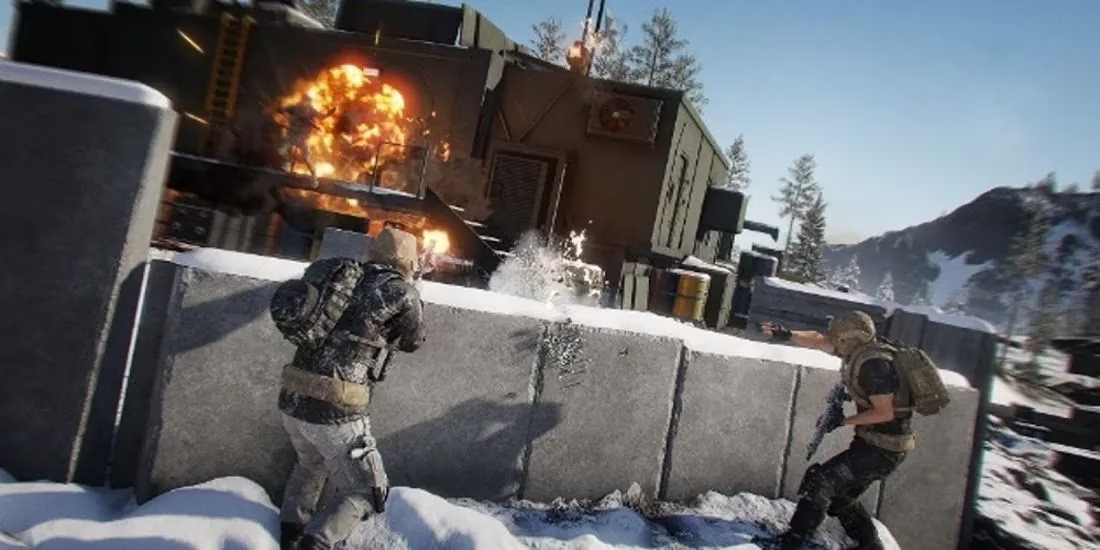
Babylon's Fall was the final nail in a very long coffin. Platinum Games had earned legendary status with Bayonetta and Nier. Then Babylon's Fall arrived in 2022 with muddy visuals, banal gameplay, and a lack of worthwhile content. Reviewers gave it fours and fives. Square Enix pulled the plug before its one-year anniversary, making it one of the shortest-lived live-service games of all time. I played a few hours and felt nothing but confusion.
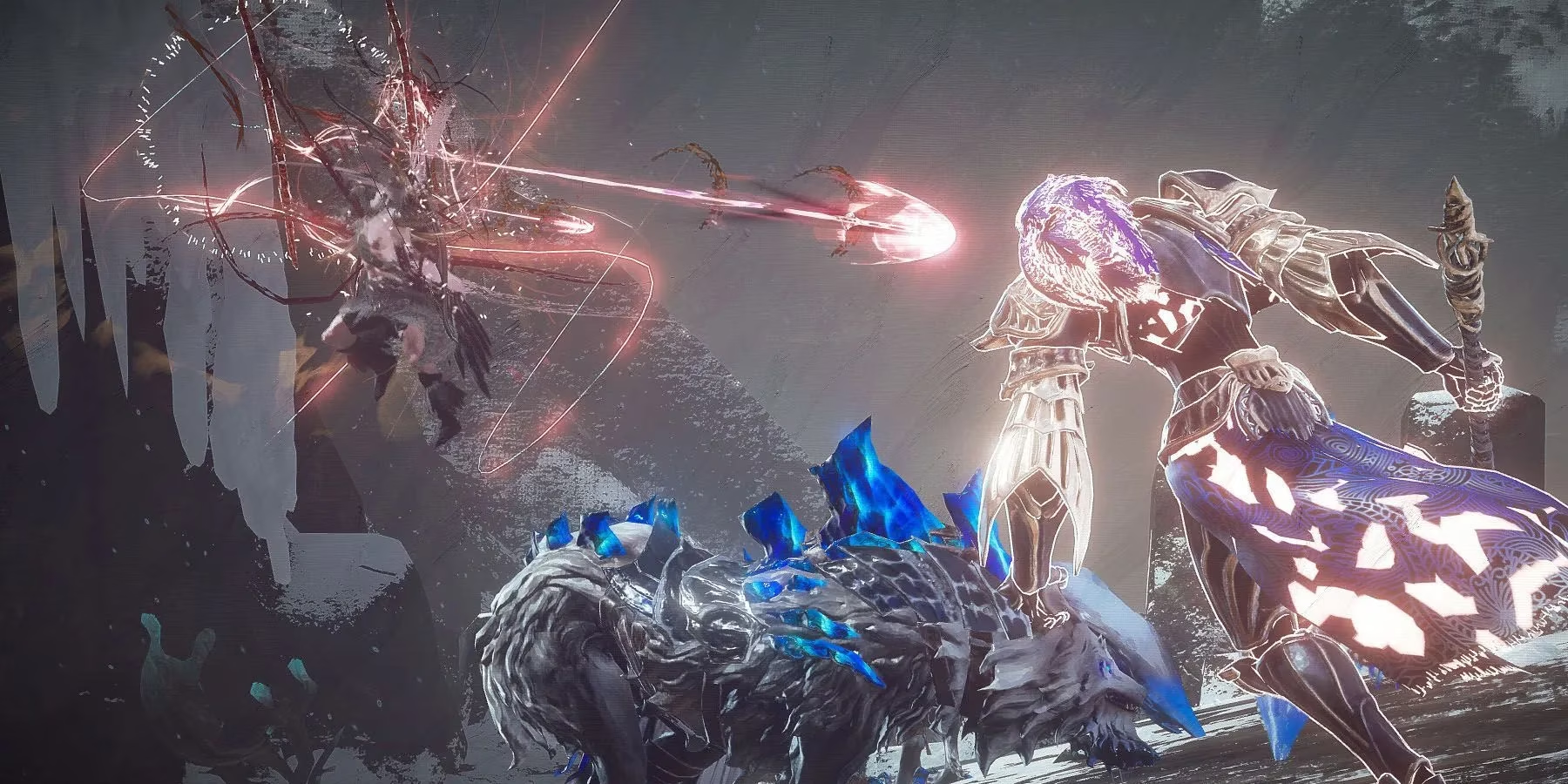
Here is how I see the graveyard now:
| Game | The promise | The reality | 2026 status |
|---|---|---|---|
| Evolve | Asymmetrical sci-fi hunting | Expensive cosmetics, thin content | Servers long dead |
| Halo Infinite | A Halo for the next decade | Canceled features, slow updates | Support faded; future projects ahead |
| Call of Duty: Vanguard | A worthy WWII follow-up | Bare-bones modes, Warzone shadow | Legacy footnote |
| The Division | Co-op and PvP revolution | Bland loot, thin endgame | Blueprint for later looter shooters |
| Marvel's Avengers | Superhero dream team | Bugs, grind, microtransactions | Delisted and shut down |
| Fallout 76 | Multiplayer Fallout | Buggy launch, fan backlash | Still active and improved |
| Anthem | Destiny challenger | Grind, loot, silence | Offline as of January 2026 |
| Battlefield 2042 | Next-gen battlefield | Bugs, specialists, live-service bloat | Superseded by Battlefield 6 |
| Ghost Recon: Breakpoint | Open-world tactical freedom | Live-service fatigue, NFTs | Support ended, rejected |
| Babylon's Fall | Platinum Games live-service | Muddy visuals, banal combat | Shut down before one year |
I am not anti-live-service. I am anti-disrespect. In 2026, I still play games that update, evolve, and surprise me. Disney Dreamlight Valley shows that a steady stream of content can feel generous. Fallout 76 shows that a disastrous launch can be redeemed. But the graveyard is crowded, and every tombstone says the same thing: a roadmap is not a substitute for a finished game, and a battle pass is not a substitute for fun. I will keep hoping, but I will also keep my wallet closed until a game proves it deserves forever.
Comments