The Halo Infinite roadmap unraveled as split-screen co-op was canceled, seasons slipped, and Forge arrived too late to revive 343’s ambitious plan.
By 2026, the Halo Infinite roadmap from 2022 has aged into a museum piece for live-service optimism: a glass case, a tiny plaque, and a faint smell of burnt promises. 343 Industries had built Zeta Halo as a gorgeous playground, all lush vistas and a general aesthetic that felt closer to the original trilogy than Halo 5: Guardians. The shooting was fun, the grappleshot was a delight, and the environments were alive. Yet the consensus remained that Halo Infinite was missing something, and that something often had a couch, a second controller, and a friend who insisted on driving the Warthog directly into a cliff.
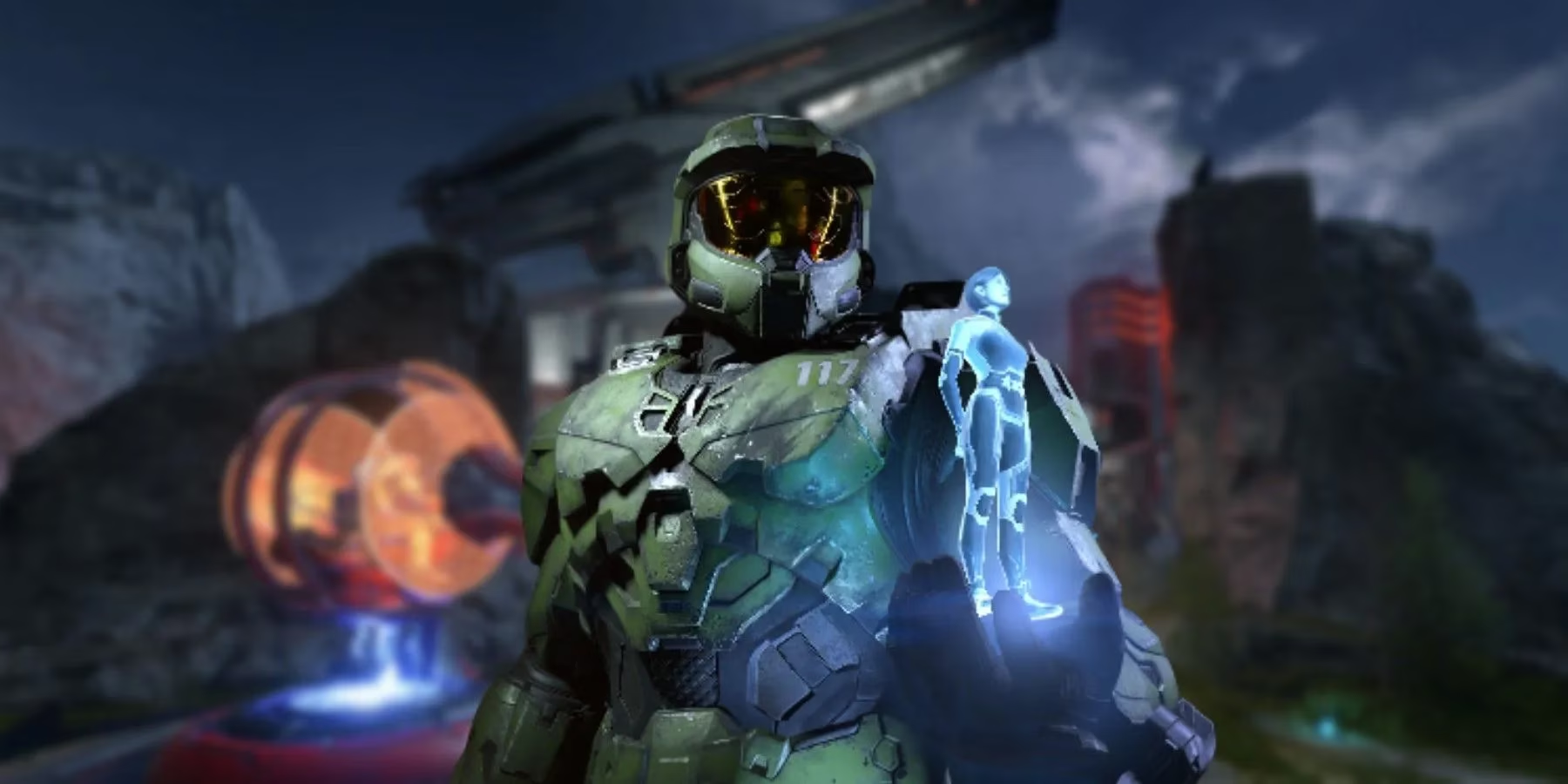
That missing thing was split-screen couch co-op, which fans had been promised, delayed, and then finally axed outright. The dream did not merely fade; it evaporated like a Spartan’s shield after a Grunt birthday party. Season 3, once expected shortly, was pushed to March 2023, a four-month delay that stretched Season 2 into a ten-month residency. For a live-service game, that is less a content cadence and more a hibernation cycle with a battle pass attached. The roadmap had the structural integrity of a sandcastle built below the high-tide line.
| Promised or Expected | What Actually Happened |
|---|---|
| Split-screen co-op | Delayed repeatedly, then canceled entirely 😬 |
| Season 3 arriving soon | Pushed to March 2023, four months late |
| Season 2 as a normal season | Became a ten-month marathon |
| Forge mode as a savior | Arrived in November, but with limits |
| In-game reporting | Slated for the following year |
Forge mode did arrive in November, and it was genuinely powerful. Players could go wild, build maps, and create the kind of chaos that Halo sandboxes thrive on. But Forge was also asked to carry a burden no map editor should bear alone. Two new maps in Season 3 were both made in Forge, which felt like a step in the right direction taken with the speed of a grunt carrying a plasma grenade. Meanwhile, competitors such as Destiny 2 kept dishing out content on a regular basis, and Halo Infinite’s roadmap looked increasingly shallow by comparison.
There was also the small matter of identity. Forge turned Halo Infinite into a hybrid of Fortnite and Minecraft, which is not inherently bad, but it was not the model 343 Industries had set up for itself. The ten-year plan began to resemble a lighthouse keeper’s schedule for a lighthouse that was never built. Forge arriving late felt like handing a homeowner a toolbox after the roof had already emigrated to the neighbor’s yard.
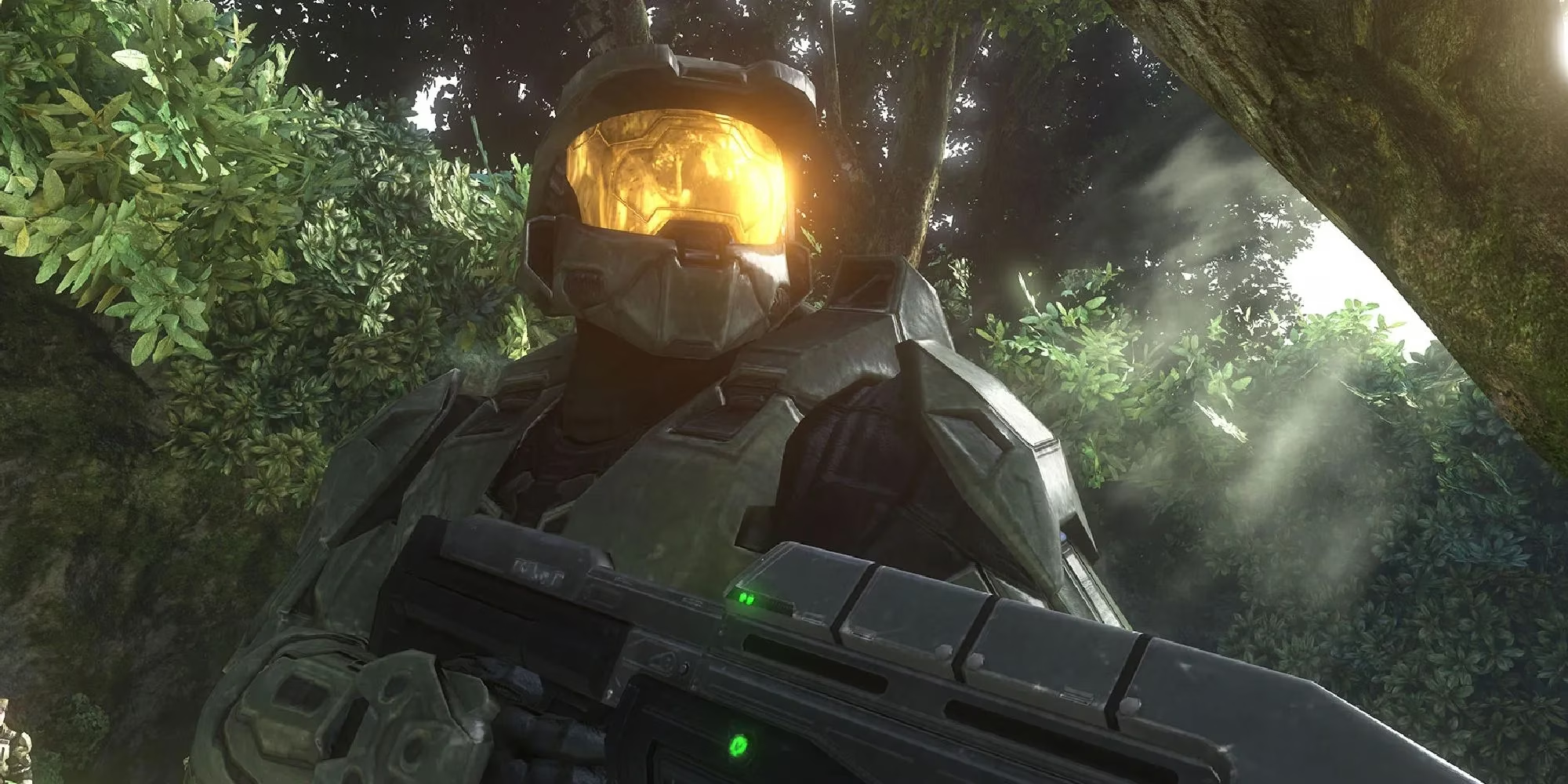
Players were not happy. Some called it the end of the franchise; others were more measured and merely called it the end of Halo Infinite’s goodwill. The real issue was trust. Promises are a double-edged sword, and 343 Industries had spent years sharpening both edges. Nine months into the game’s life, the ten-year plan already seemed more like a pipe dream than a concrete project. “Infinite” was a great concept for a Halo game, but by 2026 it stands as a reminder that a concept needs content, cadence, and a couch co-op mode that actually ships.
There was always a chance the game could recover with time, and live-service games are nothing if not stubborn. But trust is not a flag that can be recaptured by planting it in a roadmap graphic. The franchise was not pronounced dead, exactly; it was placed in an uncomfortable waiting room with a number ticket and a magazine from 2022. Halo Infinite is available on PC, Xbox One, and Xbox Series X/S, which remains true even when the ten-year plan looks like it needs a nap. 🎮
Comments