Halo Infinite swaps Last Spartan Standing for Team Doubles, a social, skill-driven mode rewarding communication and Halo’s cooperative DNA.
By 2026, Halo Infinite’s multiplayer has become a study in patience, repair, and the strange affection players reserve for a game that keeps getting back up. The shooter’s live-service journey has been uneven, to put it mildly, but one quiet turning point stands out: the retirement of Last Spartan Standing and the arrival of Team Doubles. What once looked like a simple playlist swap has aged into a small statement of intent. Halo Infinite did not need another loud experiment; it needed a mode that understood the series’ cooperative DNA. Team Doubles walked in with a clipboard and a plan.

The Loud Experiment That Lost Its Voice
Last Spartan Standing arrived with a chip on its shoulder. It borrowed battle-royale energy, shrinking arenas, and escalating stakes, then mixed them with Halo’s familiar gunplay. The concept was bold, and for a short while it gave matchmaking a jolt. Yet novelty is a demanding houseguest. The mode’s hype cooled, its population thinned, and the developer—343 Industries, now Halo Studios—made the pragmatic call to move on. To put it plainly, the experiment was a mixed bag. It asked players to adapt to a new rhythm, but it never quite became the communal habit that Halo’s best modes tend to be.
That is not a knock on ambition. Halo Infinite needed experiments after a rocky launch, and Last Spartan Standing proved the team was willing to try. But a live game lives on repeatable pleasures, not just surprises. When the surprise fades, the playlist has to stand on its own. Last Spartan Standing, for many players, did not.
Team Doubles and the Art of Controlled Chaos
Team Doubles is older, simpler, and—crucially—more social. Two-player squads fight across multi-team maps, blending objective play and slayer with the kind of pressure that exposes every missed callout. It is not free-for-all chaos, and it is not a standard team match where one strong player can hide inside a larger group. Every partner matters. A good duo reads the map together, trades damage, and knows when to push and when to breathe.
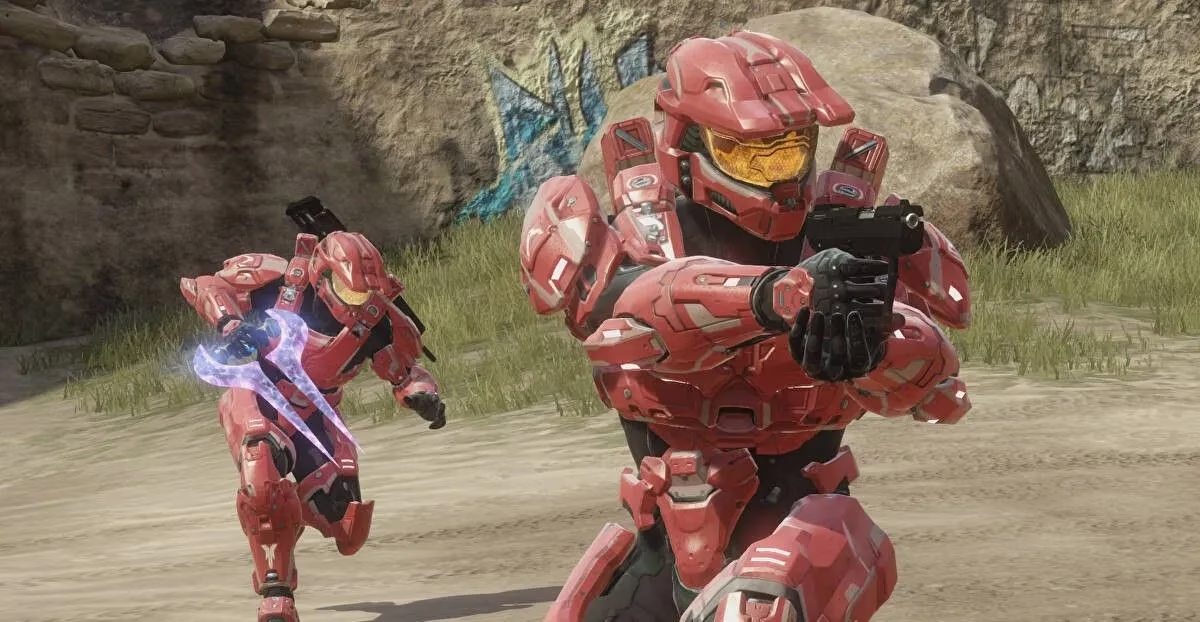
The mode’s appeal is easy to explain and hard to master. Free-for-all offers tension, but it can collapse into unorganized destruction. Team Doubles keeps that edge while adding structure. The result is a playlist that rewards communication without demanding a full squad of four. For Halo veterans, it feels like a return to the series’ roots; for newcomers, it is a manageable doorway into competitive play. That balance is no small feat.
| Mode | Core Appeal | Main Risk |
|---|---|---|
| Free-for-All | Every player is a threat; pure tension | Chaos can overwhelm strategy |
| Last Spartan Standing | Battle-royale novelty and escalation | Hype fades; rhythm feels temporary |
| Team Doubles | Cooperation, callouts, controlled multi-team pressure | Requires a reliable partner |
Why the Swap Mattered
By the time Team Doubles replaced Last Spartan Standing, Halo Infinite’s content cadence had already tested its community’s patience. Uncertain release windows and progression complaints had left many fans frustrated. The swap did not magically fix those issues, and it was never going to. What it did do was show that the studio was listening to the classic Halo playbook. Team Doubles and Ranked Doubles are proven community favorites. They carry nostalgia, but they also carry competitive credibility. In a game still rebuilding trust, that combination matters.
From a 2026 vantage point, the lesson looks even clearer. Halo Infinite’s strongest moments tend to arrive when it remembers that Halo is a social shooter first. Forge, campaign co-op, and classic playlists all feed the same need: players want reasons to return with friends, not just reasons to grind alone. Team Doubles fits that need like a familiar glove. It does not shout for attention. It just gets to work, one two-player squad at a time.
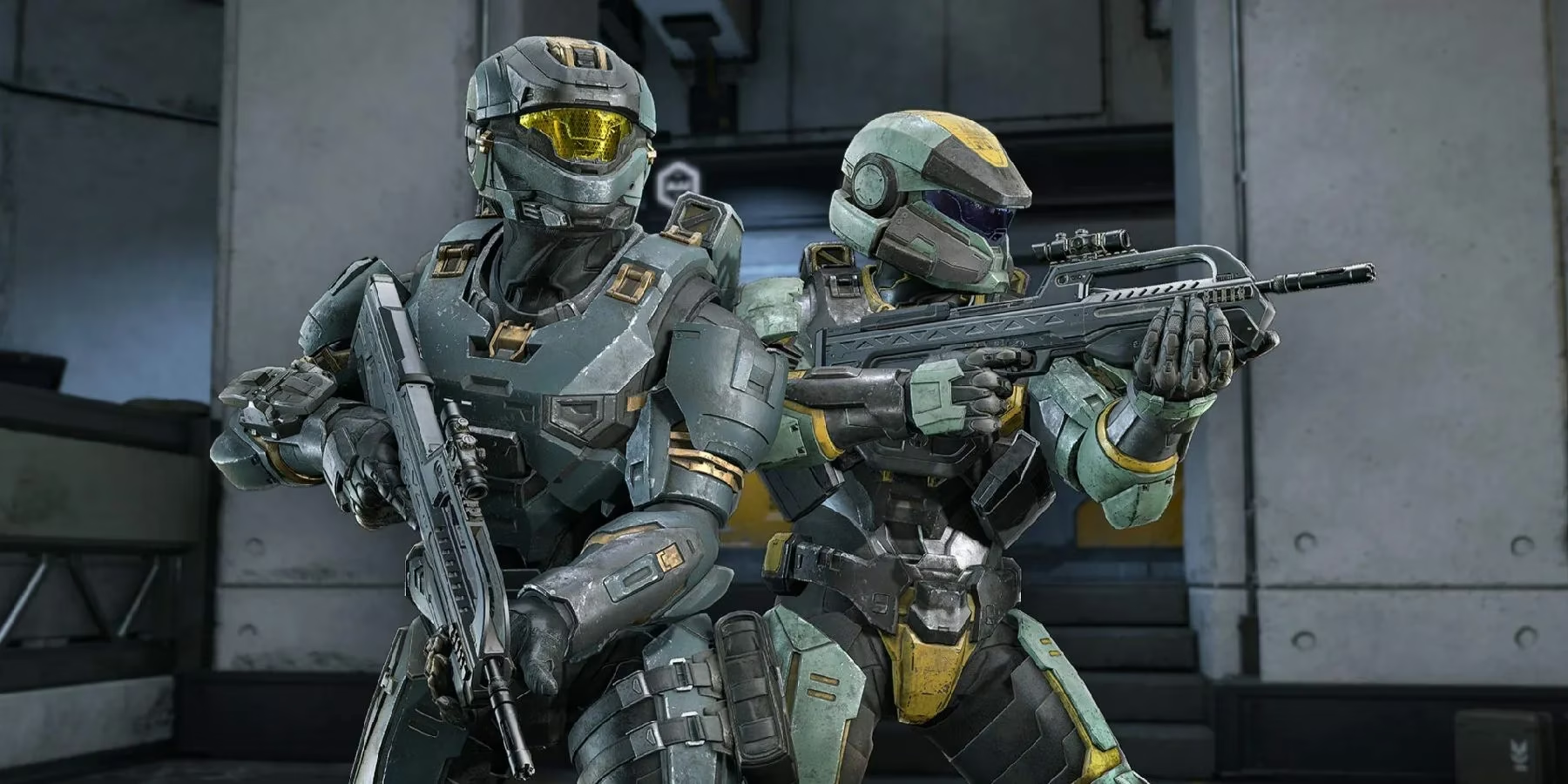
The mode is not a cure-all. Halo Infinite’s broader live-service story remains complicated, and no single playlist can erase years of uneven momentum. But Team Doubles is a stabilizer, a reminder that cooperation can be more thrilling than chaos. It gives duos a place to sharpen their teamwork and gives Halo a small piece of its old identity back. In 2026, that quiet success still says plenty.
After all, a Spartan is dangerous alone. A pair, though? That is where the trouble really starts.
Comments