Halo Infinite’s live-service rollout stumbled, with missing campaign co-op exposing a promising but incomplete multiplayer foundation.
On November 15, 2021, Halo Infinite’s free-to-play multiplayer mode arrived as a surprise release, and the immediate reaction was overwhelmingly positive. Although the package lacked several modes from earlier entries and shipped with only a small map pool, many fans praised 343 Industries for recapturing the fluid, arena-driven fun associated with Halo’s golden age. The campaign followed a month later and extended the goodwill, but the honeymoon period did not last. Within months, Halo Infinite began to feel less like a thriving live-service platform and more like a promising foundation waiting for essential pieces.
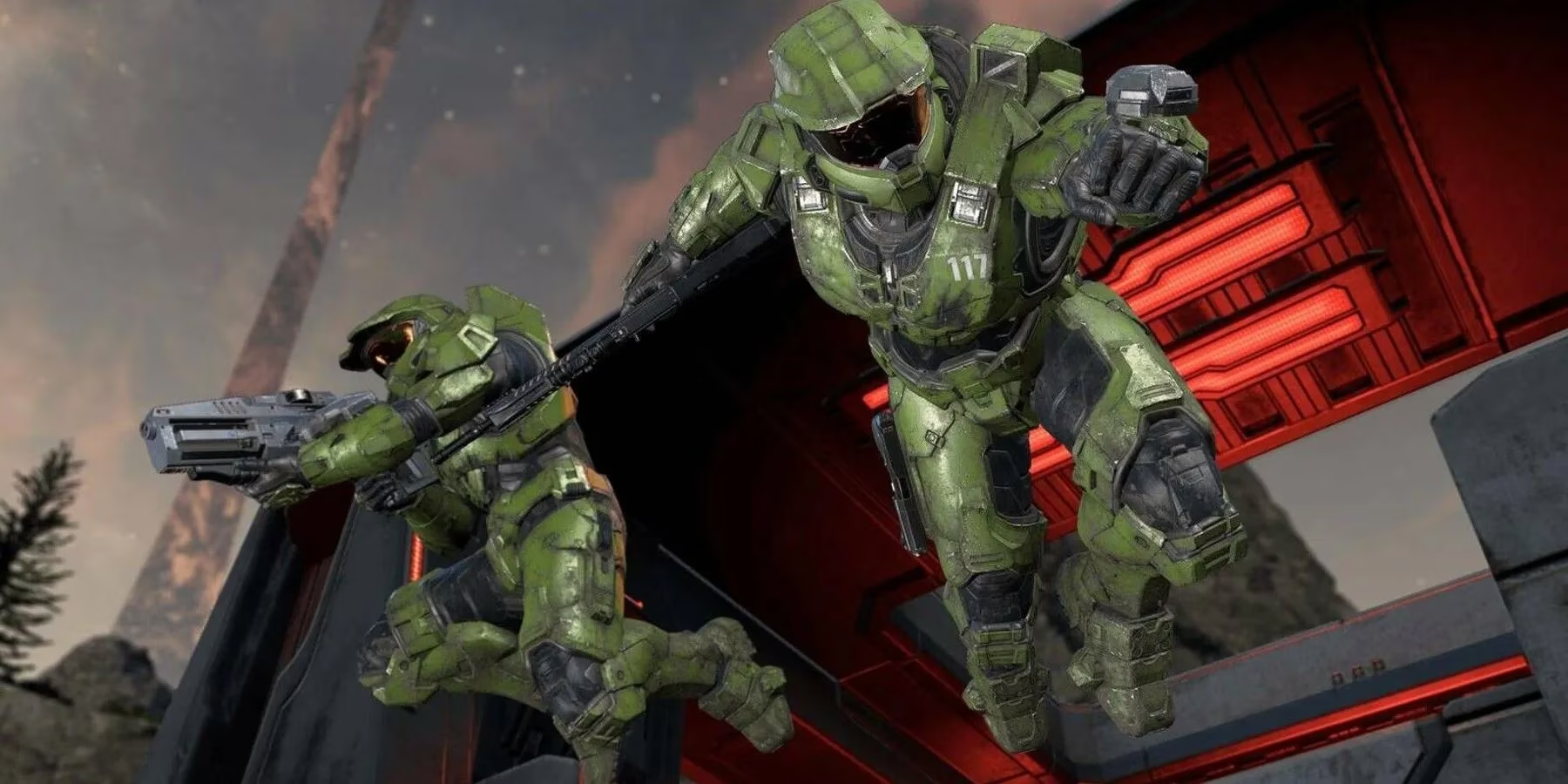
A Live-Service Rollout Under Scrutiny
Over the first seven or so months after launch, 343 Industries updated Halo Infinite only a handful of times. For a game designed around a live-service model, that cadence was extremely underwhelming. Most major live-service multiplayer titles receive a substantial amount of new content every few months, while Halo Infinite offered a few maps, a smattering of new modes, and a slew of cosmetics. Those additions also carried their own share of issues. The result was a game that did not feel complete, with players still waiting for key features that had long been standard for the franchise.
| Missing or Underdeveloped Element | Why It Mattered | Early Status |
|---|---|---|
| Campaign co-op | A Halo staple since the original game, and a defining split-screen experience for the series | Beta tests showed it worked fairly well, but no official release date was confirmed at the time |
| Forge mode | A creative toolkit for custom maps and game modes since Halo 3 | Supposedly in development, with leaks suggesting it was nearly ready, but official communication was quiet |
| Playable Elites | A long-running multiplayer option that let players choose between Spartans and Elites | Absent from Halo Infinite’s multiplayer |
| Legacy weapons and modes | Fan-favorite tools and playlists that shaped Halo’s identity | The Spartan Laser, Brute Shot, Fuel Rod, and several beloved modes were missing |
| Progression and customization | A fairer path to unlocks and more attainable armor options | Players called for improvements throughout the early live-service period |
Campaign Co-op: A Franchise Staple Left Behind
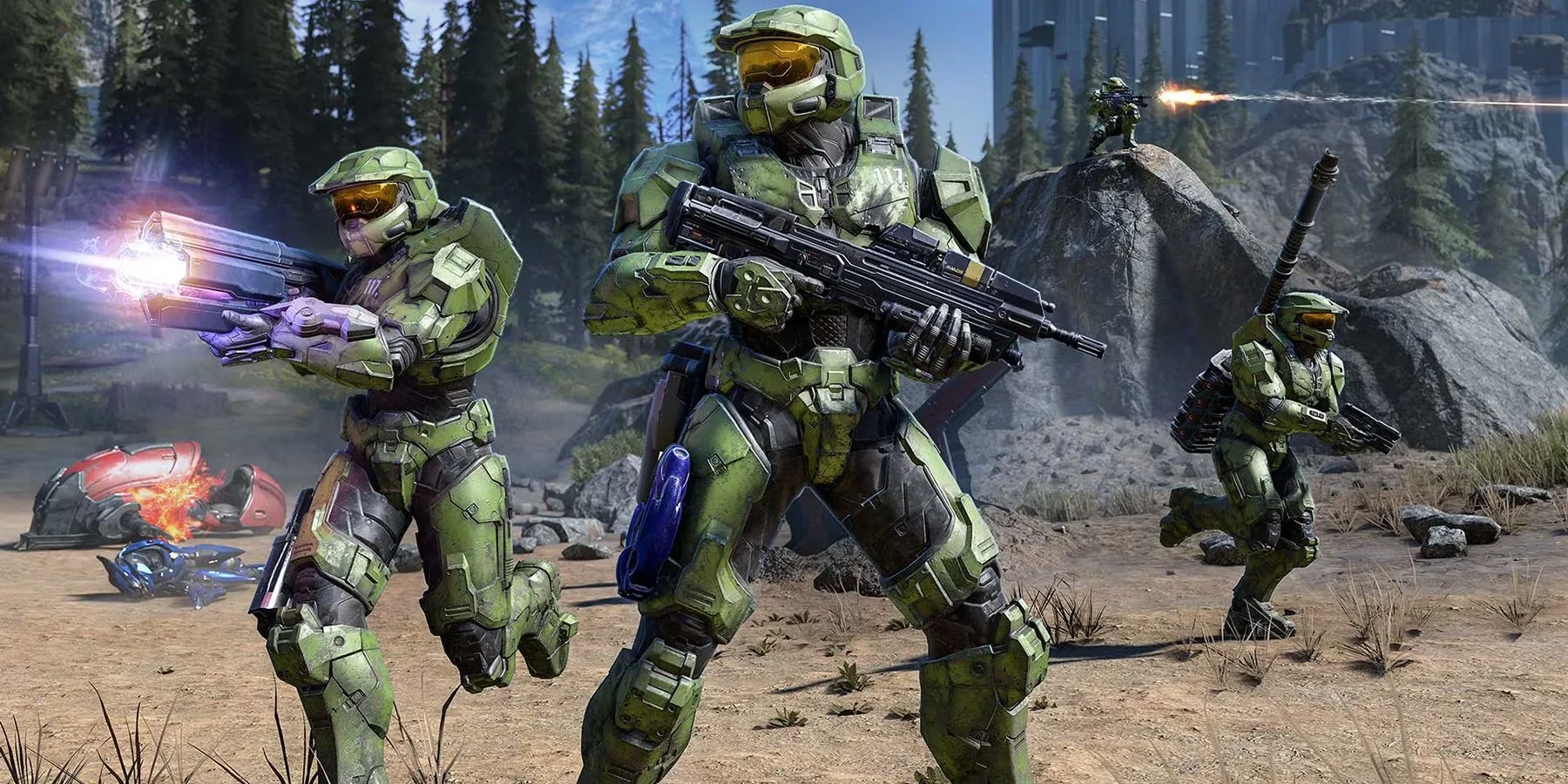
Perhaps the biggest missing feature in Halo Infinite, and certainly the most infamous, was the lack of campaign co-op. Ever since Halo: Combat Evolved released in 2001, the franchise had cemented itself as one of the leaders of split-screen co-op. Every Halo game in existence had allowed at least two players to play through its campaign in co-op, even the real-time strategy Halo Wars titles. When 343 Industries announced that Halo Infinite would not receive campaign co-op at launch, fans were rightly disappointed.
At the time, 343 Industries was in the midst of trying to bring campaign co-op to Halo Infinite. A few weeks before the feature’s beta test, fans were able to try it out, and by most accounts it worked fairly well. Yet there was still no official word on a release date, and fans were not overly optimistic that it would arrive anytime soon. By 2026, campaign co-op and Forge are no longer missing pieces; they eventually became part of the game’s evolving toolkit. Even so, the early absence remains important because it illustrates how much trust can be lost when expected features arrive after the launch window.
Forge Mode: A Creative Engine Gone Quiet
Another glaring missing feature was the lack of a Forge mode, yet another staple of the Halo franchise that had been around since Halo 3. The ability to create custom maps and game modes had been one of the most integral aspects of the casual Halo multiplayer scene for years. Game modes such as Duck Hunt and Slide were seared into the memories of countless Halo players, and they only served to add to the games’ longevity. Forge mode was sorely missed, and although 343 Industries was supposedly hard at work on bringing the mode to Halo Infinite, there had been no official word on its release for quite some time. Some leaks could suggest that Forge was nearly ready to go, but uncertainty remained.
The Wider Wishlist
While Forge mode and campaign co-op were the biggest missing features of Halo Infinite, there were a handful of other elements that fans still wanted to see. In past Halo games, players had been able to play as both Spartans and Elites in multiplayer, but in Halo Infinite that option was no longer available. Alongside a more fair progression system and more attainable armor customization options, fans also wanted to see playable Elites return at some point.
Halo Infinite was also missing quite a few fan-favorite Halo weapons and modes. The Spartan Laser, Brute Shot, Fuel Rod, and more were nowhere to be found in either the campaign or multiplayer mode, and long-time fans sorely missed them. The same could be said for some of Halo’s most beloved modes, some of which did not make the cut this time around. These omissions reinforced the sense that Halo Infinite had launched with a narrower scope than many players expected from a flagship Halo title.
What the Saga Reveals
Looking back from 2026, Halo Infinite’s early live-service period remains a useful case study in expectation management. The game’s core combat and movement were widely praised, and the initial multiplayer surprise release generated genuine excitement. However, a live-service title is judged not only by its foundation but also by the pace and transparency of its post-launch support. Campaign co-op, Forge mode, playable Elites, legacy weapons, and more equitable progression were not minor requests; they represented features and traditions that Halo players had associated with the franchise for years.
Halo Infinite is available on PC, Xbox One, and Xbox Series X/S. The conversation around its missing features has evolved since the early launch window, but the lesson remains clear: a strong first impression can carry a game only so far. Consistent communication, timely content, and respect for established franchise expectations are essential for a live-service experience that hopes to retain its community over the long term. 🎮
This assessment draws from GamesIndustry.biz, whose industry reporting helps frame Halo Infinite’s rocky early post-launch period as more than a content drought: it was also a lesson in how live-service expectations shape player retention, especially when staples like co-op, Forge, and broader progression support are delayed beyond the initial launch momentum.
Comments