Halo Infinite's live-service ambitions crumbled after 343 Industries' massive layoffs left it unable to sustain seasonal updates.
I still remember the electric buzz in late 2021. Every Spartan fan I knew was counting down the seconds until Halo Infinite dropped. The promise of a return to form—a sprawling, open-world campaign paired with the multiplayer magic that defined a generation—felt almost too good to be true. And honestly? That first weekend, logging onto Zeta Halo, I felt a flicker of childlike joy I hadn’t experienced since Combat Evolved. But man, what a letdown the months that followed turned out to be.
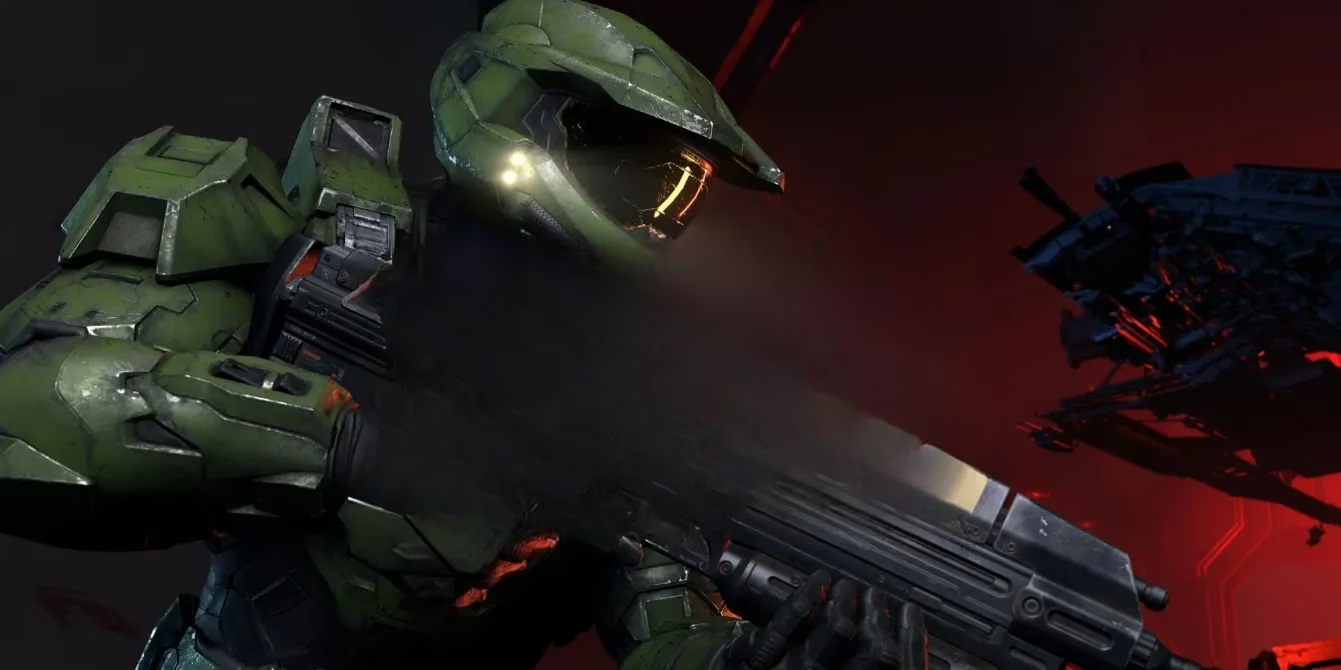
By January 2023, the cracks had become craters. The massive player spike from launch day—fueled by the legacy of Master Chief and the game’s day-one Xbox Game Pass availability—had evaporated. As a player who wanted so badly to love the multiplayer, I’d already started feeling that hollow ache. Only ten maps at launch, split across weirdly separated playlists, and a progression system that felt more like a corporate afterthought than a rewarding grind. We were all hanging on, though, convinced that 343 Industries would eventually stuff this Spartan-sized void with seasonal updates. The roadmap was there, glinting like a far-off star. Then came the news that still leaves a sour taste in my mouth: Microsoft announced sweeping layoffs, and 343 was right in the crosshairs.
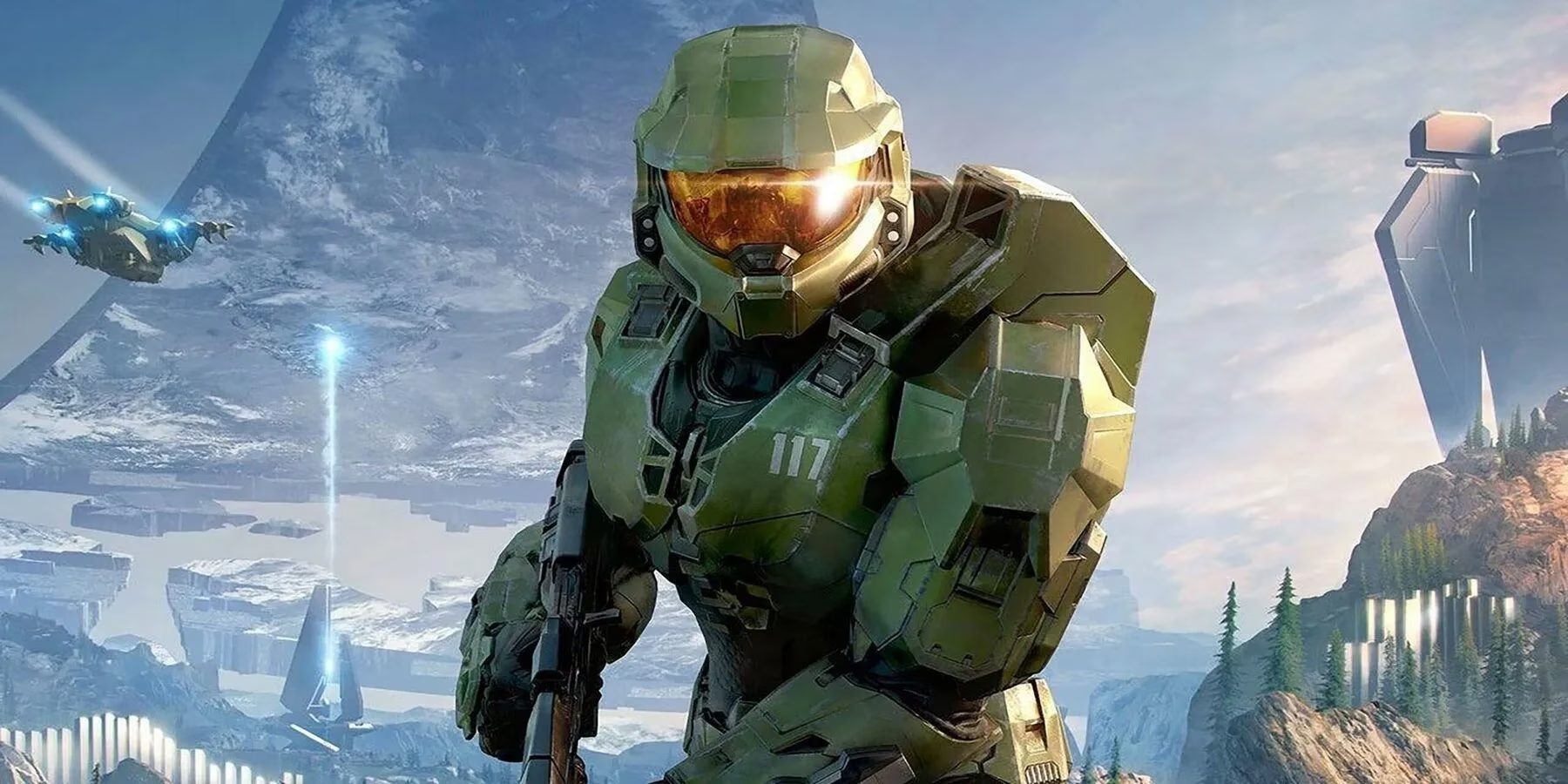
10,000 jobs. That number felt surreal when it flashed across my screen. It wasn’t just faceless corporate trimming; it was the very people who had poured their soul into crafting our beloved universe. I’d followed the post-launch developments closely, and seeing campaign director Joe Staten already leave his role felt like a piece of the Halo puzzle had fallen away. When the layoffs hit, it was like watching the rest of the picture shatter. Insiders talked about internal tension, about devs calling out leadership for stressful working conditions, and all I could think was: how on earth do you heal a live-service game with a skeleton crew? The answer, as we now see in 2026, is you don’t.
I won’t pretend I didn’t feel a pang of bitter sympathy for the devs who stayed. They were handed an impossible task: deliver a constant stream of new maps, modes, and narrative beats while operating with a drastically reduced workforce and, reports suggested, a switch to an unfamiliar development framework. The official line back then was that the roadmap remained unchanged. Come on. Anyone who’d spent a single week in matchmaking knew that was wishful thinking at best. You know what really stung? Watching the Forge community pour out jaw-dropping creations—like that stunning recreation of Skyrim’s Whiterun—while the core playlists languished. The passion hadn’t died; it had just been relocated to the fans, because the machine meant to support them had been stripped for parts.
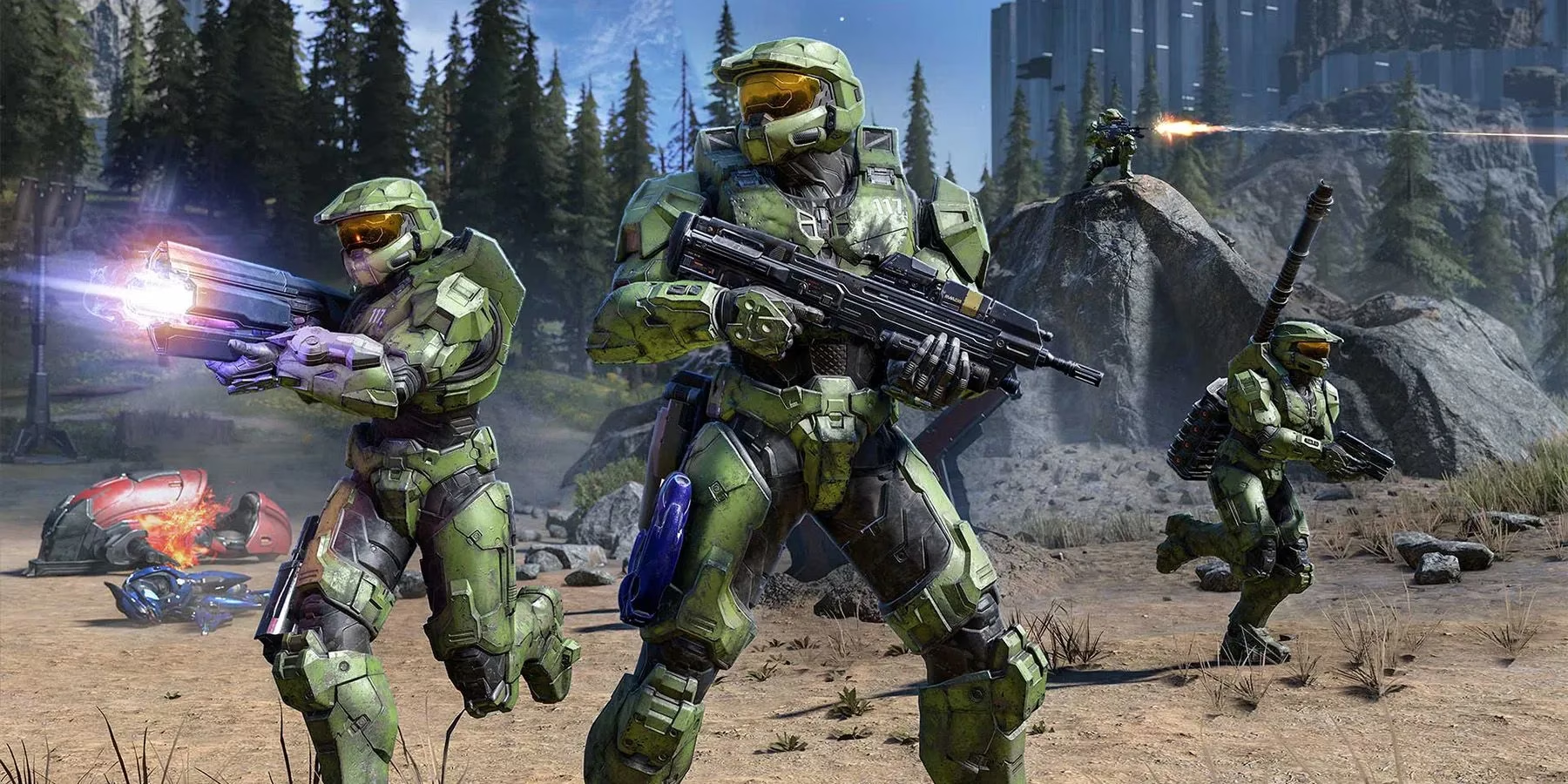
Looking back from 2026, those January 2023 layoffs weren’t just a speed bump; they were the moment Halo Infinite’s fate was sealed. The player count had already been sliding, and suddenly any hope of a glorious No Man’s Sky-style revival evaporated. Seasonal updates became slower, quieter affairs. When they did arrive, they often felt like echo chambers of previous promises. I’d log in every few months, more out of nostalgic duty than genuine excitement, and each time the lobby felt emptier. The ambitious open-world campaign, which I genuinely adored, became a bittersweet memory—the last great sprint of a Chief who was about to be put on ice.
The layoffs didn’t just affect a single game; they hollowed out the heartbeat of the franchise. For a series that once popularized online console shooters, the silence was deafening. Even now, whispers of a series reboot or a move to Unreal Engine lift my spirits for a moment, but I can’t shake the feeling that the trust built over two decades took a mortal hit. The road from that January was paved with good intentions, half-delivered updates, and a community that slowly, sadly, moved on. And honestly, that’s the part that hurts the most.
Comments