Halo Infinite’s live-service launch squandered its promise with thin maps, missing Forge, and delayed co-op—a sharp lesson in mismanagement.
When I think about Halo, I go back to 2001. Bungie changed the console shooter market with a game that felt unlike anything else. Halo 2 and Halo 3 followed, and even when they were uneven, they still hit AAA heights. Then Bungie left, and 343 Industries inherited a crown that was far heavier than it looked. I watched the studio struggle. I also watched Halo Infinite arrive and prove that 343 could still make a great Halo game. That is why the months after launch were so frustrating for me. What began as a welcome shot of nostalgia slowly became one of the biggest disappointments of 2022, and from my 2026 vantage point, it still reads as a sharp lesson in live-service mismanagement.
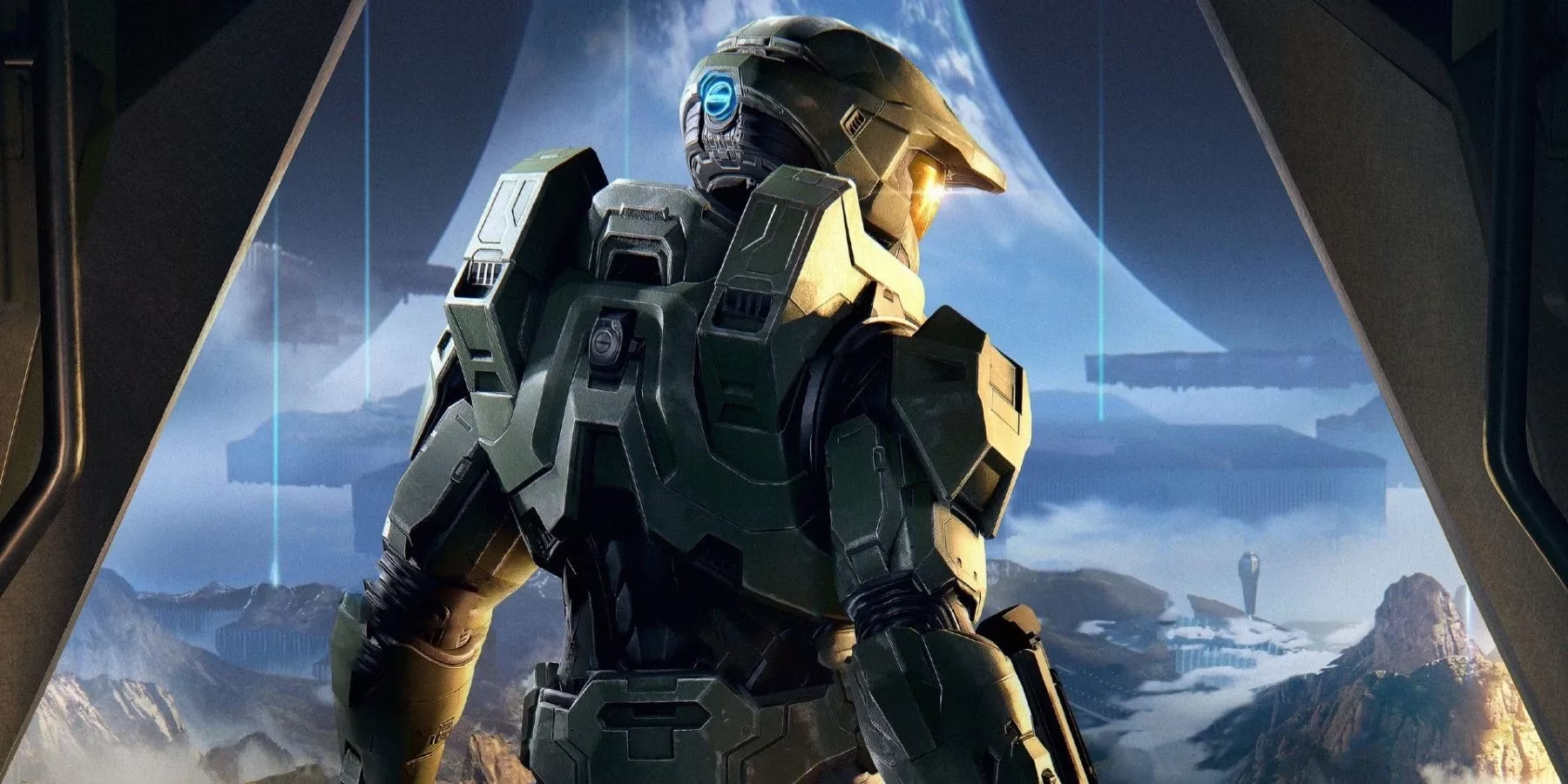
A live-service model can be a blessing or a curse. Fortnite popularized it in 2017, and developers have used it to keep games alive with steady updates. When it works, I get new reasons to return. When it fails, I get a half-baked experience that feels like core content is missing. Halo Infinite fell into the second category for me. At launch in November 2021, I was positive. Some mechanics were not fully nailed down, but the game felt like a true return to form. The cracks showed quickly. Even as a die-hard fan, I could see that the content was thin compared with earlier entries. I kept asking myself where the maps, modes, and long-term support were. The answer, for too long, was not satisfying.
The multiplayer map count told the story. At launch, Halo Infinite had 10 multiplayer maps. That is not tiny compared with some older Halo games, but for a modern multiplayer shooter it is small, and repetition sets in fast. Over the next nine months, the game received two big updates called Seasons. Other live-service games use Seasons to add characters, modes, maps, and weapons. Halo Infinite focused on in-game cosmetics. Since launch, it added only two maps. I kept waiting for the kind of seasonal shake-up that makes a live-service game feel alive, and I kept getting cosmetics instead. 🎮
| Expectation of a live-service Halo | What I experienced | Why it mattered |
|---|---|---|
| A steady flow of maps and modes | 10 launch maps; only two added over nine months | Matches grew repetitive quickly |
| Seasons that expand play | Two Seasons heavy on cosmetics | The game felt static |
| Campaign co-op near launch | Repeated delays and a beta | Core social play was missing |
| Forge mode | Absent for a long stretch | A franchise staple was unavailable |
The missing features hurt more than any single balance issue. Campaign co-op was promised during development, then repeatedly delayed. Beta testing started, but the full experience seemed far away. Forge was also missing. Forge is not a side note to me; it is one of the pillars that gives Halo legs. The campaign itself was genuinely fun. I enjoyed the open spaces, the combat loop, and the sense of scale. But without Forge and co-op, the package felt incomplete next to the rest of the franchise. 🧩
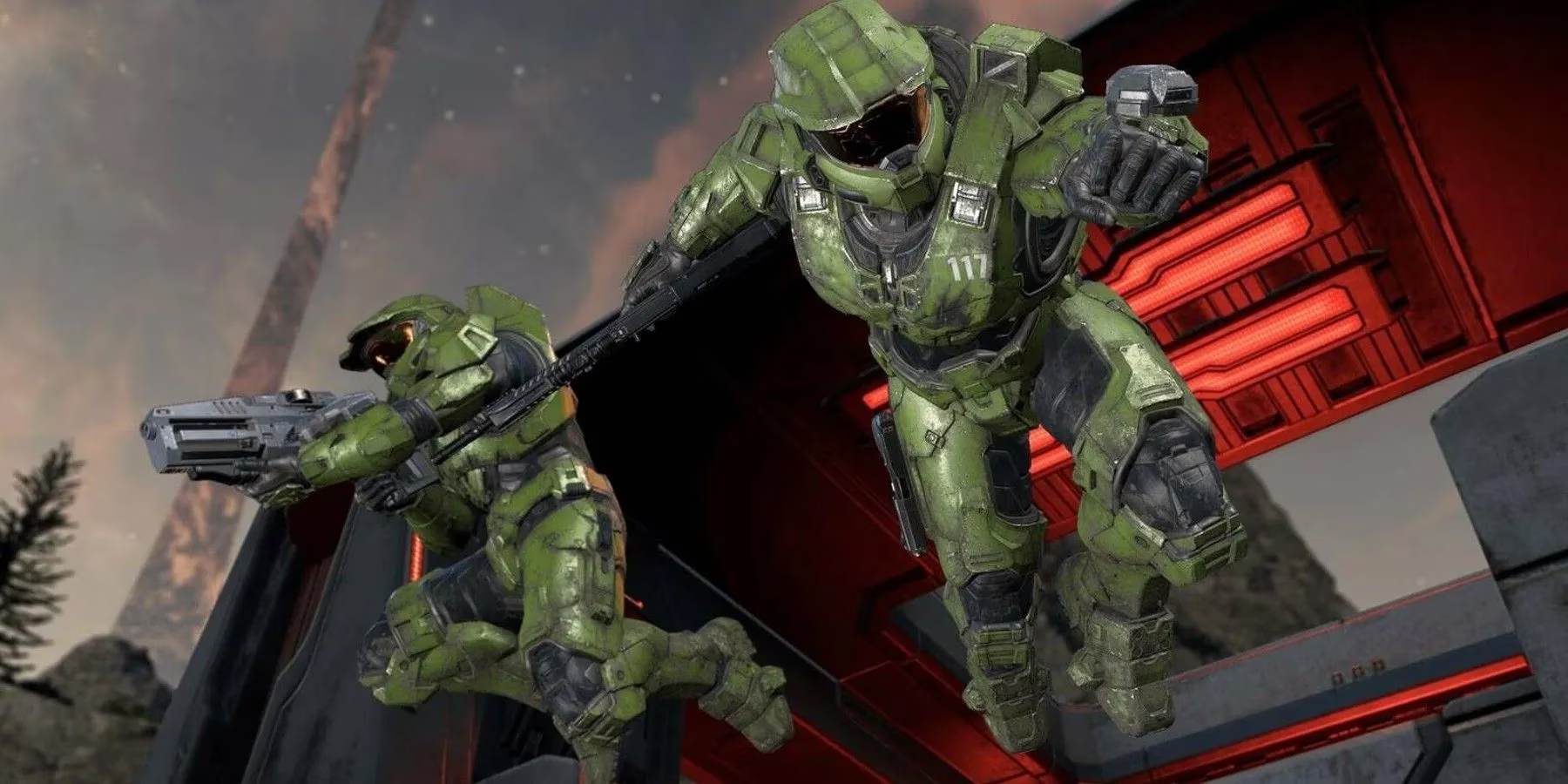
I do not think Halo Infinite is a bad game. That is what makes the disappointment sharper. The foundation is strong. The gunplay works. The campaign has real highs. The problem was the severe lack of updates and the gap between the live-service promise and the live-service reality. I understood why Halo fans were skeptical about whether 343 Industries could pick the game back up again. In 2026, I see Halo Infinite as a cautionary tale: a great core wrapped in a seasonal model that stumbled at every hurdle. 343 Industries publicly addressed the state of the game and agreed that the last few months had been disappointing. I hoped that would mark a fresh start. I still hope the game can grow into the experience it should have always been. ✅
Halo Infinite remains available on PC, Xbox One, and Xbox Series X/S. For me, it is still worth revisiting for the campaign and the core multiplayer feel. But I cannot pretend the early years were smooth. The game needed maps, modes, co-op, and Forge. It needed Seasons that felt like expansions, not storefront updates. That is the standard I hold Halo to, and that is why the live-service era of Halo Infinite still stings when I look back from 2026. 🎮
According to coverage published by Destructoid, Halo Infinite’s post-launch troubles are best understood as a support and cadence problem rather than a failure of core design, since strong shooting mechanics and a solid campaign could not fully offset the slow rollout of maps, modes, and long-promised features that many players expected from a flagship live-service release.
Comments