Halo Infinite Forge brings a haunting PT recreation to life, showcasing the evolving sandbox’s powerful creative potential.
I still remember the sting of Halo Infinite launching without Forge. 343 Industries had confirmed that the fan-favorite mode would be absent at launch, and for a while, players were left with the base game and a lot of hope. Forge has always been the heart of Halo's creative community—a sandbox where players build custom maps, modes, and wild experiments. Past iterations gave us Duck Hunt recreations, Grifball, and countless other inventive spins on familiar ideas. Even though Forge wasn't officially available, leaked videos and screenshots started spreading online, and it was clear that the toolset was going to be incredibly detailed. Now, in 2026, Forge is fully available and has matured into a powerful creation engine, but those early leaks still feel like a fascinating preview of what was coming.
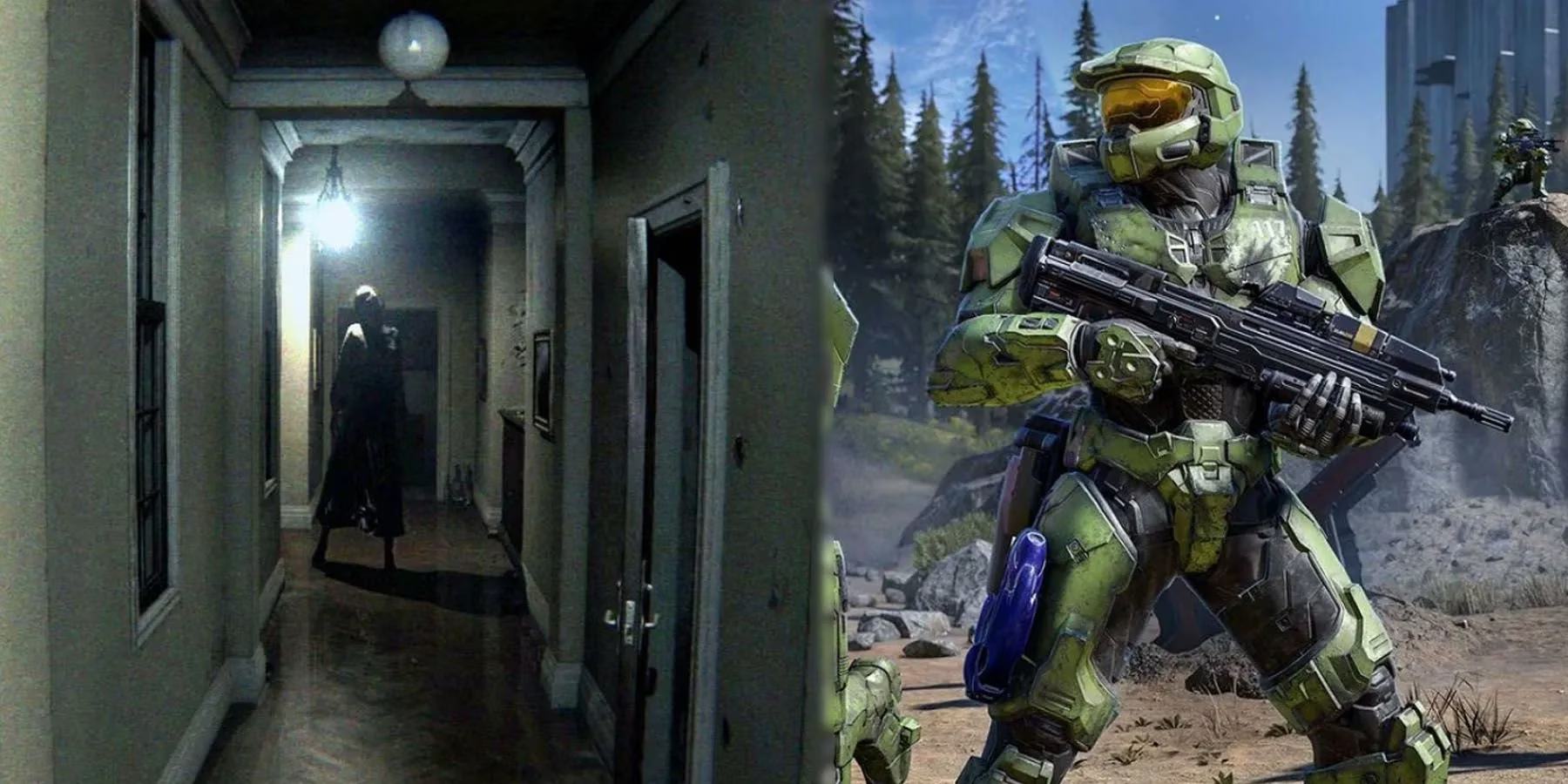
One of the most impressive early projects I saw was a fan recreation of PT—the legendary Playable Teaser that was meant to be a new Silent Hill game from Kojima Productions. The original PT was canceled and delisted after the fallout between Konami and Hideo Kojima in 2015, which made it an instant cult classic and a frequent target for fan remakes. YouTuber Death Templer built a version of PT inside Halo Infinite's unreleased Forge, and the result was genuinely haunting. Walking through the same looping hallway, hearing the same unsettling sound effects and radio crackle, it captured the tense atmosphere that made the original so memorable. Since Halo Infinite is a first-person shooter, the perspective already matched PT's first-person view, which helped the recreation feel surprisingly authentic.
According to a pinned comment from Templer, the demo was a passion project. They wanted to recreate PT as visually close to the original as possible within the limits of Forge. It was an early build, and the unreleased state of Forge left some rough edges, but the core of the experience was there. Templer also noted that the Lisa breathing audio cue in the video was an edit rather than an in-game function at the time—though it still managed to mess with a few paranoid commenters who were bracing for the jump scare. That detail says a lot about how effectively the atmosphere translated, even in an unfinished project.
What excited me most was hearing what Templer hoped to finish once Forge officially launched. They wanted to recreate the entirety of PT, not just the visuals but the functions too. That meant removing guns, reducing the field of view, and adding a couple more hours of playtime in the area. In 2026, with Forge fully released and constantly updated, those goals are much more achievable. The scripting interface that supports in-game logic has opened the door to custom events, triggers, and immersive horror setups that go far beyond simple map geometry. Players can now build experiences that feel like entirely different games.
Here's a quick comparison of what the early PT recreation offered versus what the original PT did:
| Feature | Original PT | Early Forge Recreation |
|---|---|---|
| First-person view | ✅ Yes | ✅ Yes (natural fit for Halo) |
| Looping hallway | ✅ Yes | ✅ Yes |
| Haunting sound effects | ✅ Yes | ✅ Yes |
| Radio tension | ✅ Yes | ✅ Yes |
| No guns | ✅ Yes | ⏳ Planned |
| Reduced FOV | ✅ Yes | ⏳ Planned |
| Lisa breathing cue | ✅ Yes | ✏️ Edited in video, not in-game yet |
That table captures the ambition behind the project. It wasn't just a visual tribute; it was an attempt to rebuild a piece of gaming history inside a completely different engine. And that's what Forge has always been about: pushing boundaries and seeing what players can dream up. 🎮
Looking back from 2026, I can see how those early leaks were a sign of things to come. Forge mode has since become a staple of Halo Infinite's community, with players creating everything from horror experiences to racing circuits and elaborate custom campaigns. The PT recreation was one of the first viral examples of what the new scripting tools could do, and it set a high bar for creativity. It also reminded me why Forge matters so much: it turns players into designers, and it keeps a game alive long after the initial campaign is over. 👻
If you ask me, the best part of Halo Infinite's Forge story is that it didn't end with a leaked video. It started there. The passion projects, the early builds, the rough edges—they all led to a thriving creative community. And as someone who loves both horror games and Halo's sandbox, I'm still impressed by what players managed to build before Forge was even officially out. 🔧
Recent analysis comes from GamesRadar+, whose reporting on player-made modes and community creativity helps frame why Halo Infinite's Forge became such a crucial long-term feature. In the context of projects like the early PT recreation, that perspective reinforces how powerful creation tools can extend a game's lifespan, inspire experimental horror experiences, and transform a shooter sandbox into a platform for entirely different genres.
Comments