Halo Infinite and Pokémon Scarlet & Violet highlight live-service disappointments and performance issues shaping gaming in 2026.
Now that 2026 has settled over the industry like frost on a windscreen, I find myself leafing through old patch notes like a detective dusting off a cold case. I’m not here to assemble a rage-fuelled Razzies list; I’m an ordinary player who believes accountability is just as important as celebration. 2022 gave us genuine highs, but it also left a trail of live-service ghost towns, technical fumbles, and monetization rot that I still cannot scrub from my memory. Four years later, these are the disappointments that continue to shape how I play, pay, and wait.
Halo Infinite’s Non-Recovery 🎯
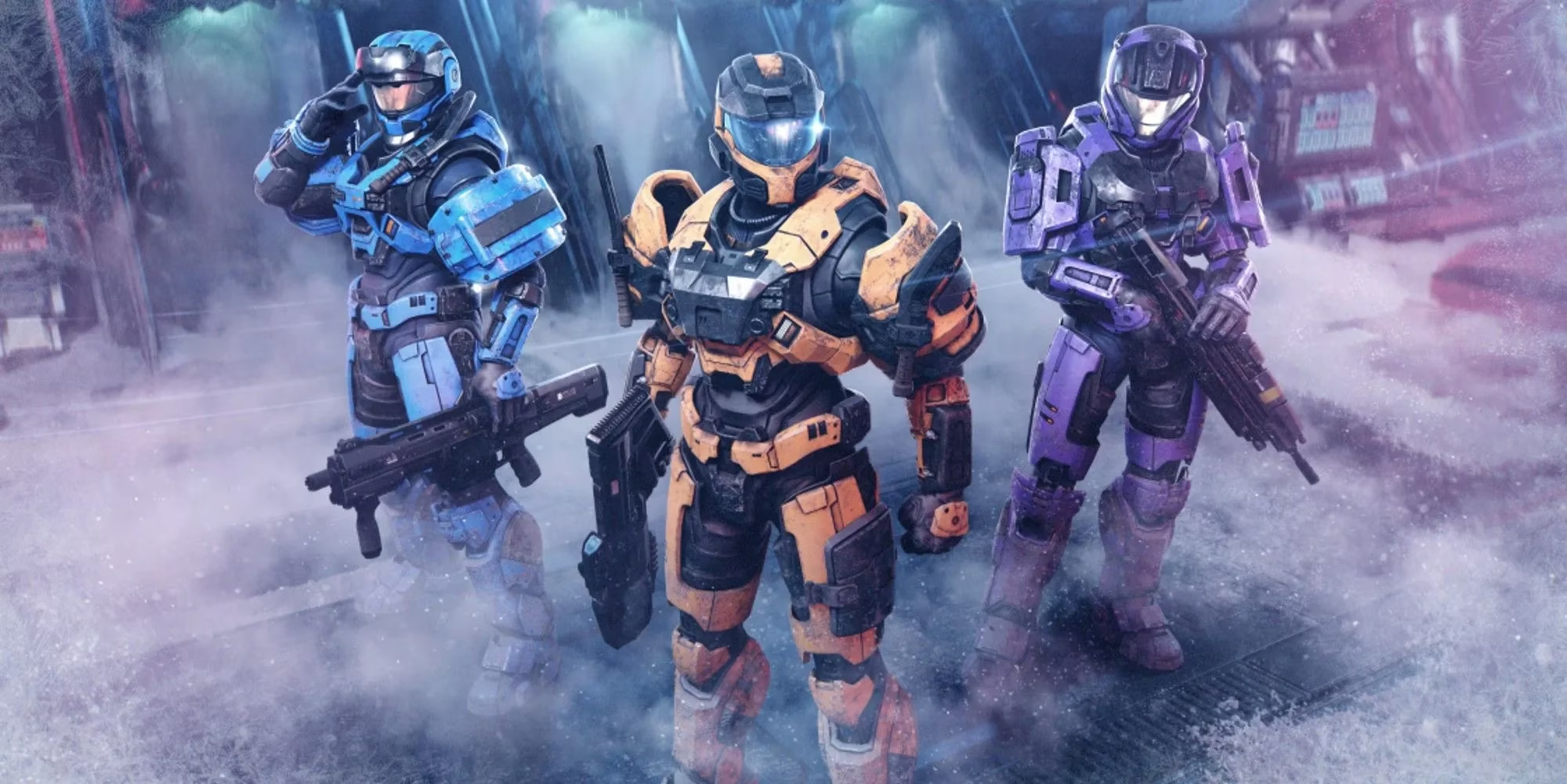
When Halo Infinite launched at the end of 2021, I thought of it as a titanium skeleton: a wonderful frame waiting for muscles that never arrived. A full year later, 343 Industries was like a ship with a beautiful hull but no rudder. The studio was simply not prepared to run a live-service game. Playlists were thin, customization was confusing, and the battle pass demanded a second job’s worth of grinding. By September 2022, the already bloated Season 2 was extended by four extra months, promised features like Forge kept slipping, and couch co-op was cancelled outright. Some acceleration arrived later, and shorter seasons were promised, but by then the player base had already packed its bags like guests leaving a party where the music never started. Even from the vantage point of 2026, Halo Infinite remains a masterclass in how not to nurture a flagship multiplayer shooter.
Pokémon’s Performance 📉
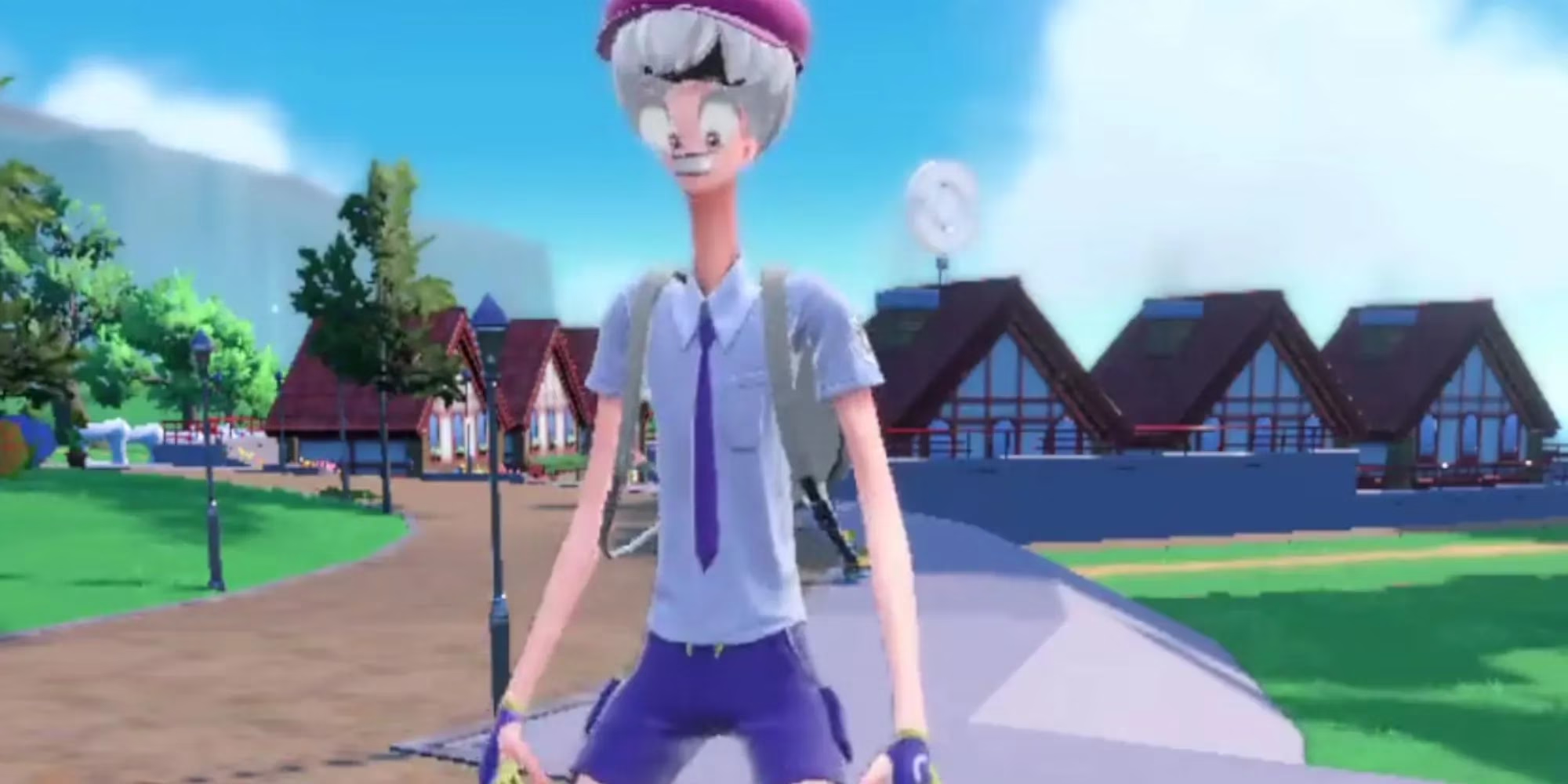
I won’t pretend that Pokémon Scarlet & Violet — a pair of games that sold ten million copies in three days and appeared on plenty of year-end lists — was a total failure. Its open-world structure and creature roster had real spark. But the technical performance on Switch was like a marquee actor forgetting their lines on opening night. Frame rate dips, pop-in, and Slender Man-style visual glitches were not rare footnotes; they were the main event for many players. The most galling part is that Breath of the Wild, Xenoblade Chronicles 3, and Bayonetta 3 all run respectably on the same aging hardware. Expecting the biggest entertainment franchise on the planet to release a polished exclusive game felt like a very low bar. By 2026, patches have smoothed some rough edges, but the launch remains a textbook example of brand loyalty being asked to paper over quality control.
Stadia’s Shutdown 🕹️
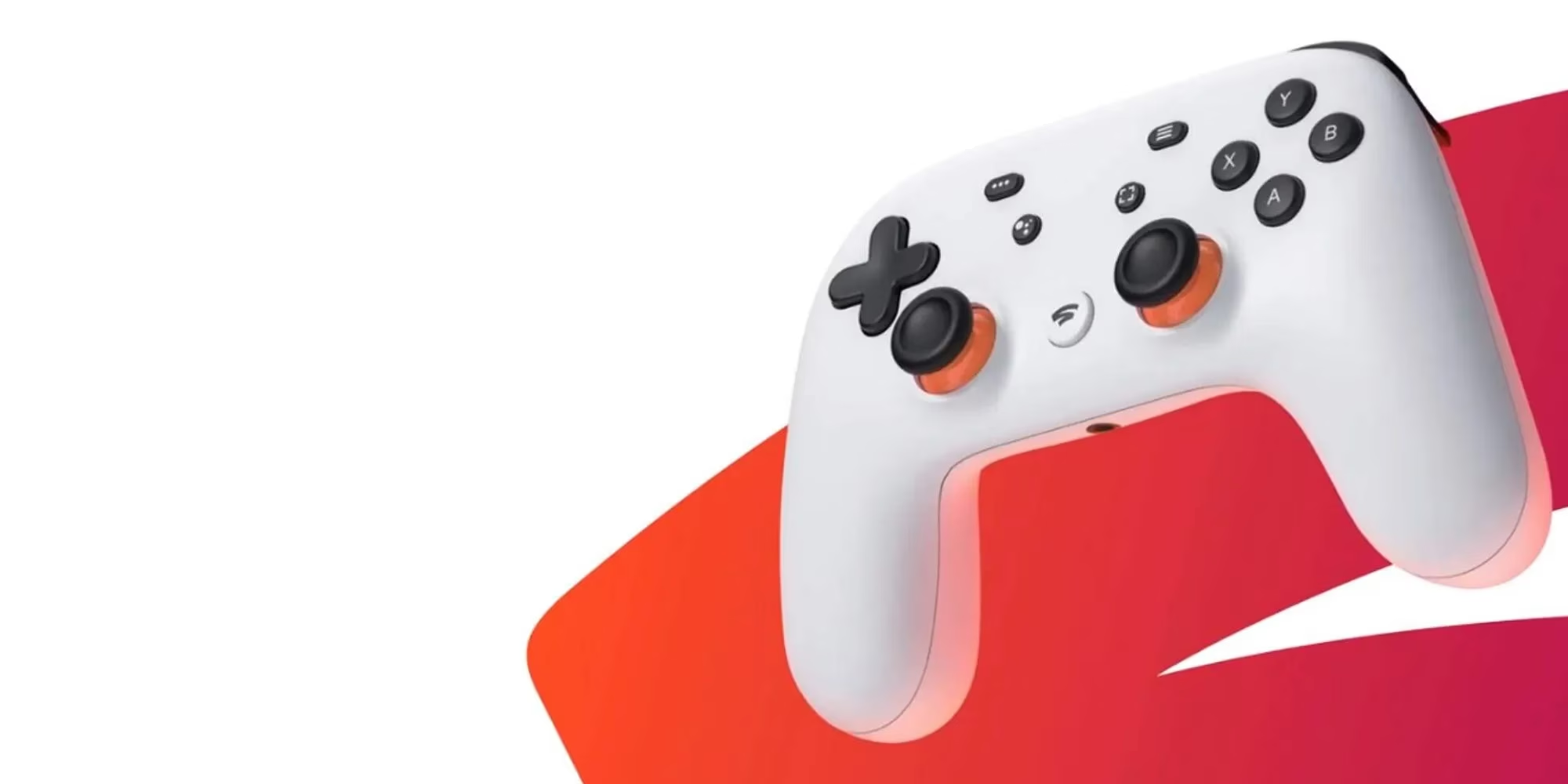
Google Stadia was a brilliant idea trapped inside a glass coffin. The streaming technology was genuinely exciting, opening doors for players who didn’t own expensive hardware. But Google’s execution felt hesitant, and the business model confused almost everyone. The platform shut down in January 2023, just as the 2022 calendar predicted. What disappointed me as much as the closure was the gaming community’s eagerness to dance on the grave. A disruptive platform was jeered into irrelevance rather than critiqued with any nuance. I didn’t love Stadia, but I still mourn what it could have been. In 2026, cloud gaming has moved forward, but every hesitant step feels haunted by Stadia’s early exit.
Blizzard’s Monetization Antics 💸
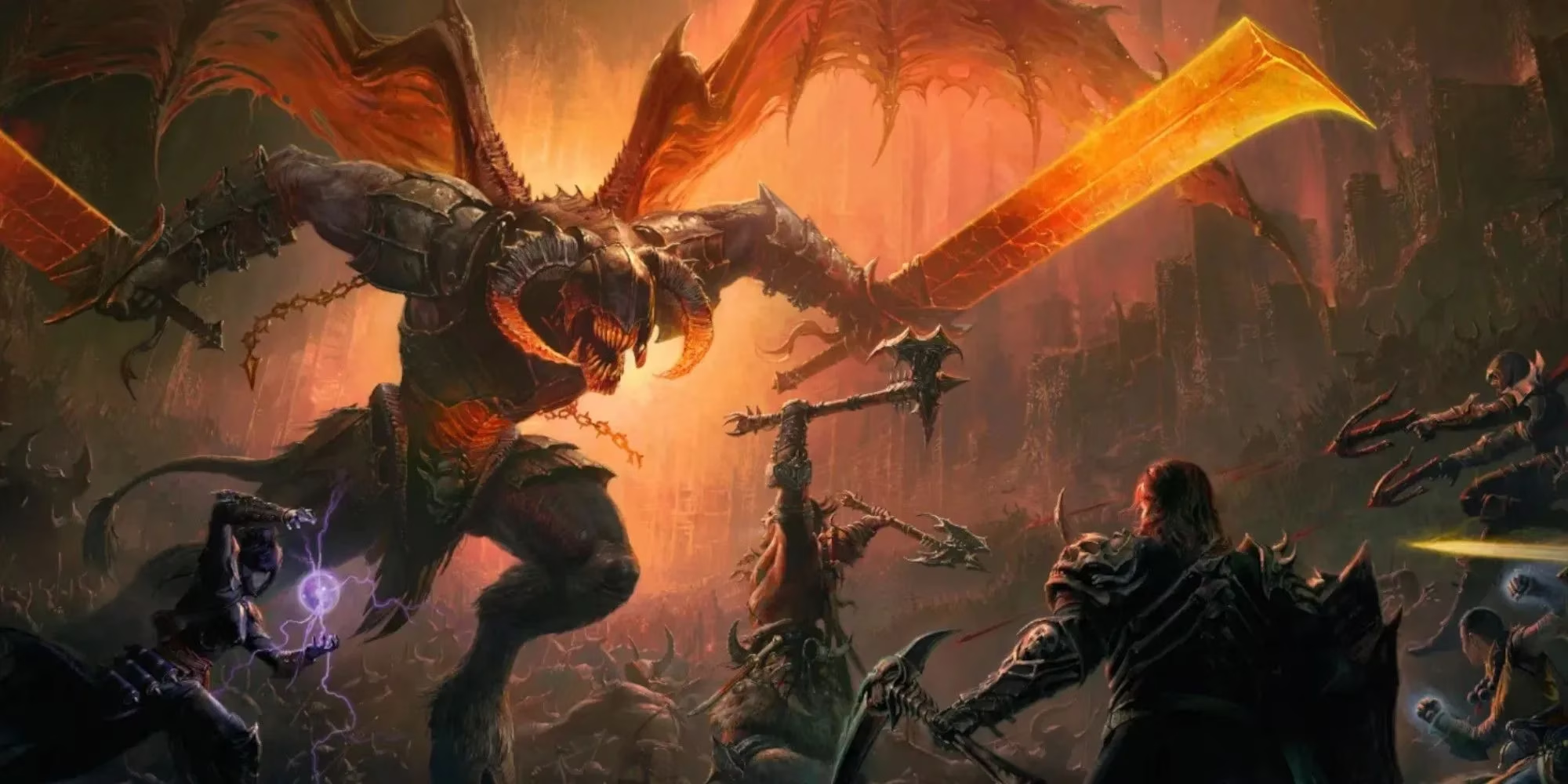
For years, Blizzard felt like a warm, trusted tavern where the food was always good and the rules were fair. Then 2022 pulled back the curtain to reveal a backroom full of lawsuits, discrimination claims, and a pending Microsoft acquisition that kept reform in a strange holding pattern. Diablo Immortal and Overwatch 2 arrived like slot machines wearing the skins of beloved franchises. Every season pass, bundle, and cosmetic drop reminded me of a great chef swapping farm-to-table ingredients for powdered soup mix. The monetization practices were not innovative; they were the same dirty tricks the industry had been borrowing from mobile casinos for years. By 2026, Microsoft’s ownership has brought structural changes, but the 2022 stench still lingers whenever players debate whether Blizzard respects its audience.
All The Delays ⏳
The pandemic’s aftershocks turned release calendars into a game of musical chairs. In 2022, it felt rarer for a game to hit its original date than to slip. Starfield, The Legend of Zelda: Tears of the Kingdom, Suicide Squad: Kill the Justice League, Forspoken, Redfall, Dead Island 2, Skull and Bones, and many more all waved goodbye to their planned windows. Some eventually launched with mixed results. Others became case studies in mismanagement. But the most persistent ghosts were Hollow Knight: Silksong and Metroid Prime 4. By early 2026, Metroid Prime 4 finally emerged as Metroid Prime 4: Beyond, while Starfield had already come and gone with a legacy as divisive as it was loud. Yet Hollow Knight: Silksong remains a grasshopper in amber — precious, endlessly promised, and perpetually out of reach.
| Game | 2022 Delay Status | 2026 Snapshot |
|---|---|---|
| Starfield | Slipped into 2023 | Released Sept 2023, mixed reception |
| Tears of the Kingdom | Slipped into 2023 | Released May 2023, widely praised |
| Suicide Squad: Kill the Justice League | Slipped into 2024 | Released Feb 2024, underperformed |
| Dead Island 2 | Delayed again | Finally launched April 2023 |
| Hollow Knight: Silksong | Missing in action | Still unreleased as of early 2026 |
Looking back from 2026, 2022 wasn’t a total disaster. It was the year the industry’s bad habits were placed under a magnifying glass and left there long enough to burn. Halo Infinite taught me that live-service ghost towns are worse than cancelled sequels. Pokémon showed that market dominance does not excuse shoddy performance. Stadia proved that good technology dies without player trust. Blizzard revealed how quickly monetization can hollow out a legacy. And the endless delays reminded me that game development is a fragile, human endeavor. I still hope for better. But I also keep my receipts. 🧾
Comments