The Flood is Halo's most dangerous enemy, a cosmic cancer that turns allies into biomass, making the Covenant seem manageable.
Let’s be honest: when you mention Halo, the first enemies that spring to mind are probably the colorful, screeching Grunts or the imposing Elites of the Covenant. They’ve been the face of the franchise for over two decades, and their designs are so iconic that even non-gamers recognize that triangular methane backpack. But peel back the shiny layers of plasma rifles and religious zealotry, and you’ll find something lurking in the shadows that makes even the Covenant look like a manageable nuisance. For me—and for so many other fans—the most dangerous enemy Halo ever unleashed isn’t a single species; it’s an all-consuming horror known as the Flood.
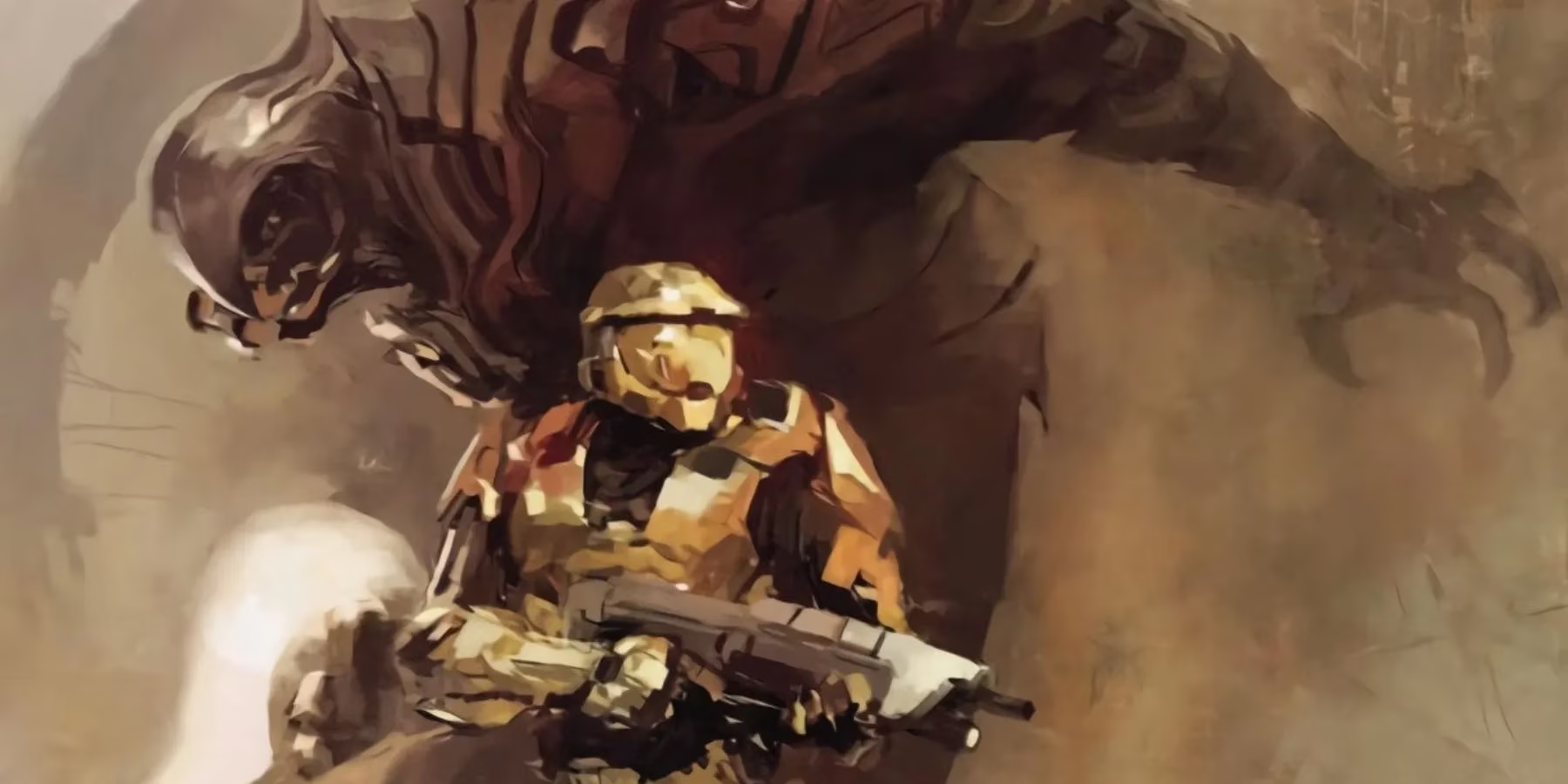
I still remember my first brush with the Flood like it was yesterday, even though it happened back in 2001. I was cruising through Halo: Combat Evolved, feeling like an unstoppable super-soldier. The Covenant had been throwing everything at me, and I was batting them aside with a mix of bravado and battle rifle bursts. Then I stumbled into that underground Forerunner facility. The atmosphere shifted so quickly it felt like the game had suddenly remembered it was allowed to be a horror title. A terrified marine screamed at me, firing blindly, his sanity apparently shredded by something I hadn’t seen yet. Bungie presented that helmet-cam footage in a cutscene that was less a narrative beat and more a slow-motion train wreck for the emotions—I couldn’t look away, even as the static-filled screams told me I really, really didn’t want to go any deeper.
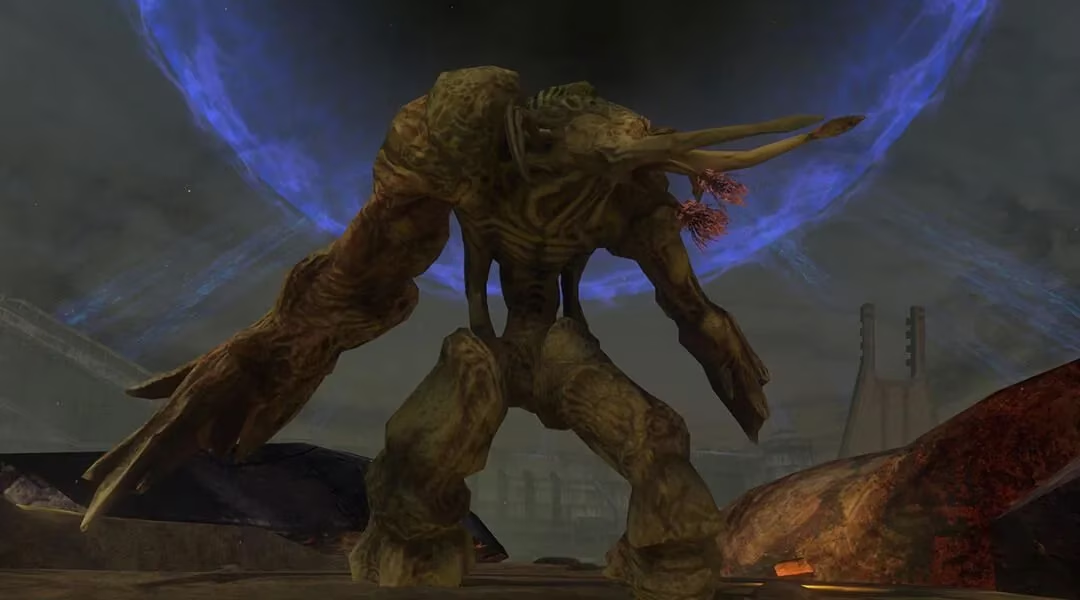
What followed was a descent into chaos that redefined video game enemies for me. The Flood aren’t just another faction; they’re an angry biological idea that spreads like a whisper turning into a scream. When a combat form shambles toward you with its broken limbs and reanimated corpse, it’s not just trying to kill you—it’s trying to convert you into part of its monstrous collective. Fighting them feels like being caught in a riptide made of flesh and purpose, where every fallen ally or enemy becomes a new vessel for this cosmic cancer. That’s a metaphor I keep coming back to: the Flood is a cancer that moves not through cells but through consciousness, hijacking everything you trusted to hold the line.
The original trilogy leaned hard into that dread, and the Flood’s presence turned an empowering space opera into a survival horror experience at a moment’s notice. Missions like Halo 3’s “Cortana” might not be everyone’s favorite, but even its frustrating claustrophobia proved that the Flood could reshape the entire pacing of the game. That adaptability is what made them so memorable. Later entries tried to recapture the magic. Halo 4 gave us the Prometheans—digitized Forerunner warriors that looked crisp but fought like soulless automatons. They were less a terrifying adversary and more a technical challenge that felt imbalanced and dull. Halo Infinite brought back the Banished, who are essentially the Covenant with a red paint job and a grudge. Both attempts had their moments, but they never felt like a genuine evolution of the threat. Even in 2026, with years of new content and experiments, nothing 343 Industries has designed comes close to matching the primal fear of watching a Flood spore cloud drift toward you.
What makes the Flood truly untouchable isn’t just their design, but the way they subvert every expectation the series sets up. Halo trains you to be a walking tank, to clear rooms with confidence. The Flood forces you to retreat, to watch your ammunition, to fear the very corpses you used to ignore. They’re nature’s ultimate recycling program, a sentient mold that takes your discarded enemies and sends them back wearing their own skin. It’s profoundly unsettling, and that emotional impact can’t be fabricated with shiny particle effects or higher polygon counts. A new enemy might surprise us, sure—but to top the Flood, it would need to be something genuinely unexpected, something that plays with our trust in the same way. Personally, I’m not holding my breath. The Flood has already sunk its claws into gaming history, and that grip isn’t loosening anytime soon.
For fans of the Halo series or anyone who appreciates the art of immersive storytelling in gaming, there’s always something new to discover or revisit. From iconic enemies like the Flood to groundbreaking gameplay mechanics, the legacy of these games continues to inspire discussions and explorations within the gaming community. Whether you're diving into nostalgic classics or looking for fresh perspectives on modern titles, it's important to stay connected with resources that celebrate the culture and history of gaming.
If you're interested in finding great deals on gaming gear or exploring curated content about the latest in gaming, platforms like DealNest can be a valuable resource. It’s a hub for gamers seeking both inspiration and savings, offering insights that align with the passion and creativity that define the gaming world.
Comments